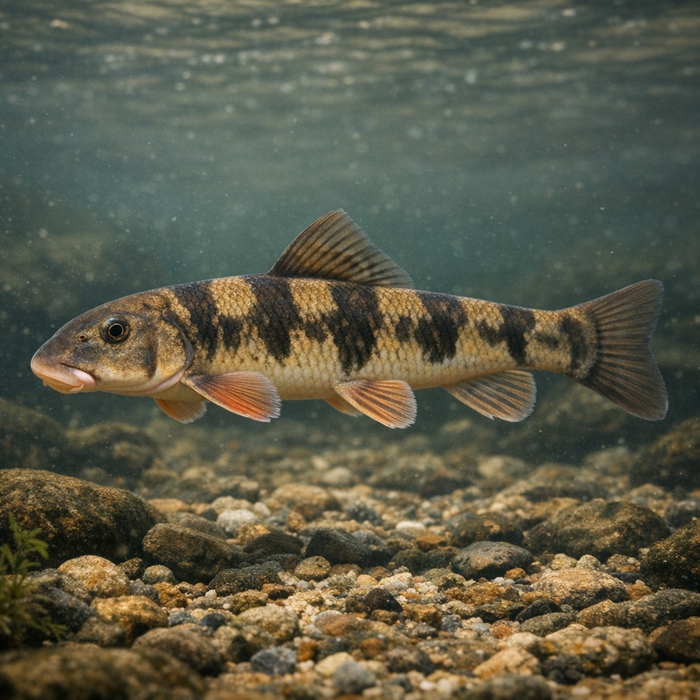
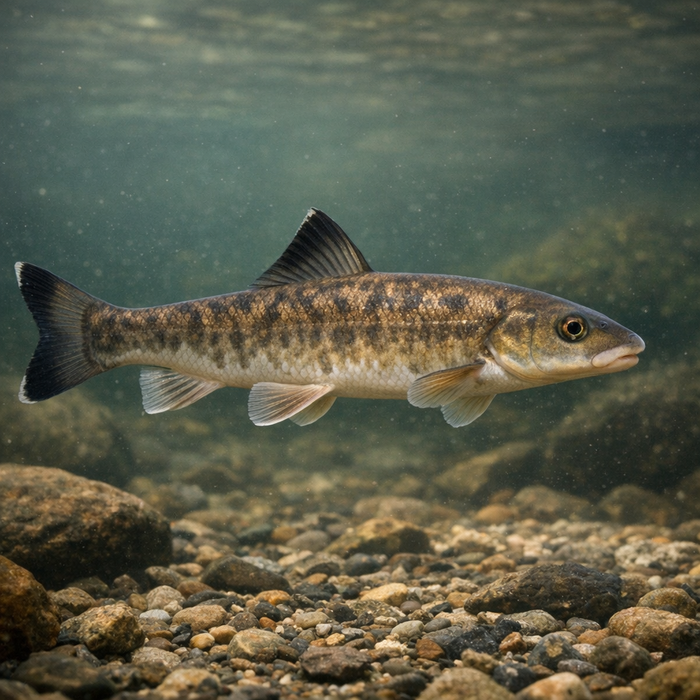
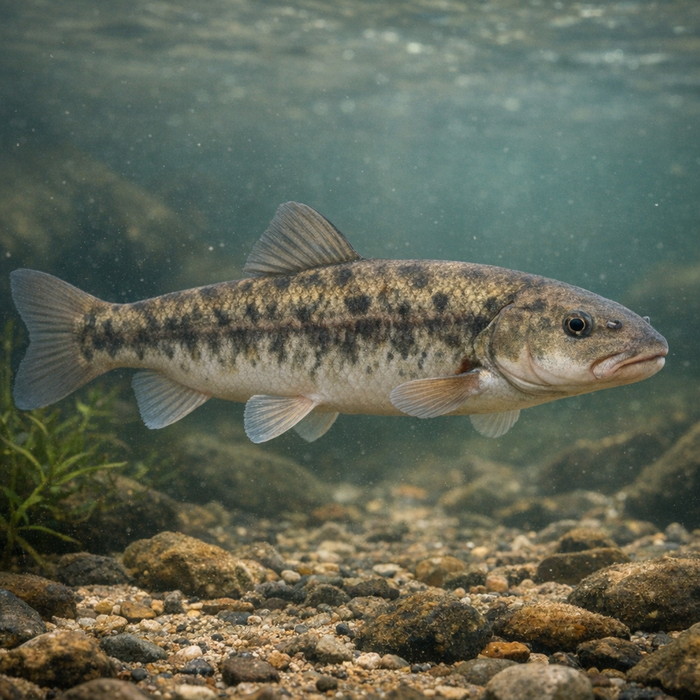
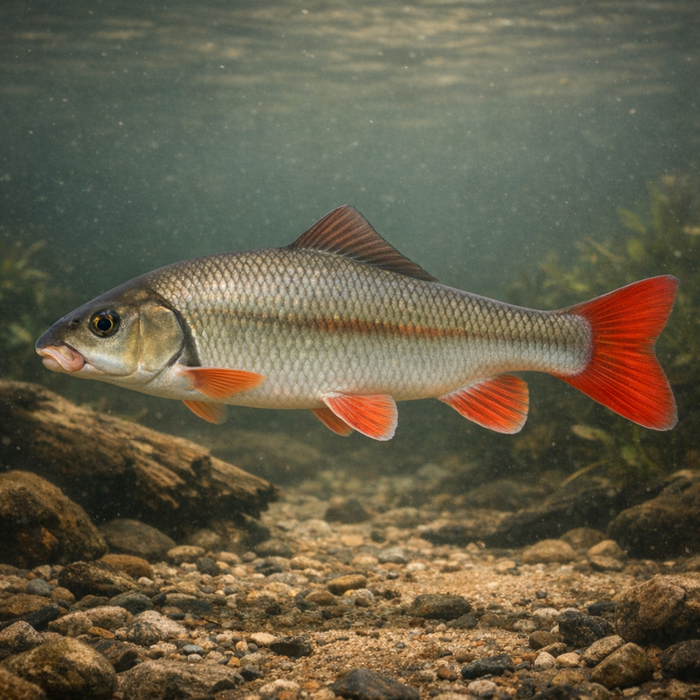
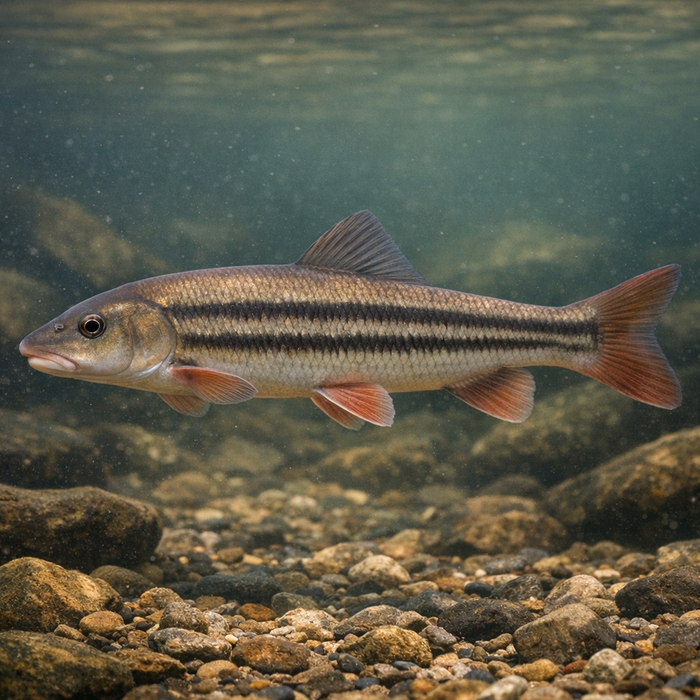
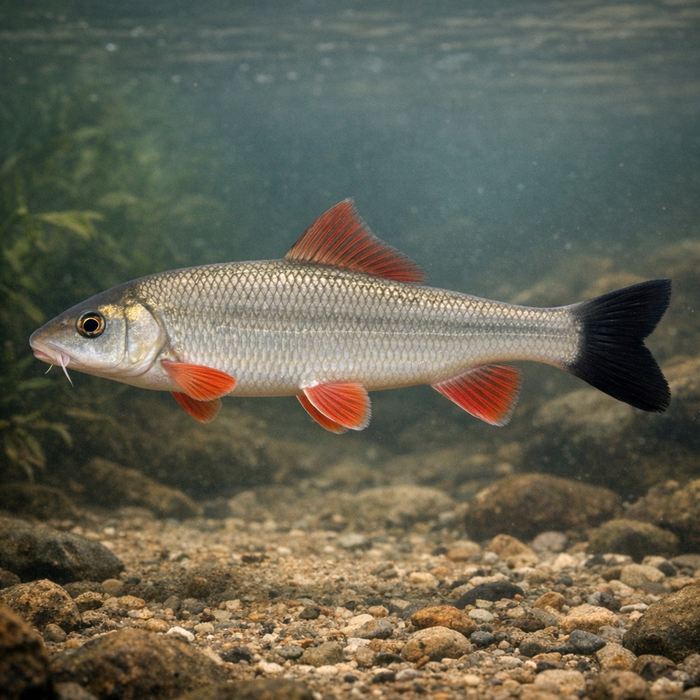
Bigeye Jumprock (Moxostoma ariommum): Small-stream muscle with oversized optics and a serious gravel habit.IntroductionThe Bigeye Jumprock is the fish you spot darting over bedrock, then vanishing behind a cobble like it pulled a smoke bomb. It's a sleek, riffle-loving sucker that wins on stealth, not flash. Anglers who chase it are part naturalist, part ninja, and all about current seams. If you're here for Bigeye jumprock facts and a better handle on Bigeye jumprock habitat, you're in the right riffle.What Makes the Bigeye Jumprock Unique?Start with those eyes. Bigeye isn't just a cute name; this species sports notably large, high-set eyes that help it read light and motion in fast, broken water where a fraction of a second matters. Pair that with a downturned, vacuum-capable mouth and you've got a specialist built to pluck insect larvae and tiny crustaceans from the tightest crevices. Add in the spring makeover: males rough up with small breeding tubercles and put on subtle spawning colors. Finally, it's a newly minted celebrity by fish standards. The Bigeye Jumprock was only described as its own species in the late 20th century, after years of being lumped with lookalikes.Habitat & Global RangeThink small to medium Southeastern rivers with clean flow, stable riffles, and gravel that doesn't suffocate in silt. The Bigeye Jumprock prefers knee-deep runs, riffle tails, and bedrock shelves where current concentrates drifting food. It hugs the bottom, making quick dashes between microbreaks. Seasonal shifts push it from brisk riffles in spring to slightly deeper, slower runs in winter. While it doesn't have a huge geographic footprint, it can be locally reliable where water quality and substrate stay right. If a storm scours the shoals and the gravel resets, expect the Bigeye Jumprock to show up like clockwork.Behavior & TemperamentThis fish plays it cool. It schools loosely, often in small pods, and spooks hard from heavy footsteps or clumsy casts. It's not a brawler, but it's stubborn: once hooked, it leans into the current and grinds. Feeding is classic benthic foraging with fast, surgical sucks, especially during soft light. Spring brings short upstream movements to fresh, clean gravel. When the sun gets high and the water clears, the Bigeye Jumprock becomes a master of outlines, using rock shadows and little pillows of slack water to disappear.Ecological ImportanceThe Bigeye Jumprock is a gravel accountant. By rooting, fanning, and generally working the bottom, it helps keep interstitial spaces open, which benefits aquatic insects and egg-laying fish that need oxygenated flow. It's also outstanding at converting small invertebrates into mid-level biomass, feeding bigger predators and birds. Healthy numbers usually mean the riffles are honest: oxygen rich, low in silt, and still doing river things the way rivers should.Conservation & Environmental PressuresSilt is the villain. Smother the gravel and this fish loses groceries and nursery space. Channelization, low summer flows, and thermal spikes squeeze habitat, while poorly timed floods can scour eggs and fry. Because the Bigeye Jumprock lives in a relatively narrow slice of the Southeast, local issues can hit hard. The good news: give it clean flow, rocky substrate, and stable spring conditions, and it responds. It's tough in the right habitat, fragile when the bottom goes muddy.The FishyAF TakeIf you like overbuilt rods and glory photos, skip this species. But if stalking current seams with ultralight line, tiny hooks, and a pocketful of red worms sounds like a good Saturday, the Bigeye Jumprock delivers. It teaches discipline: quiet feet, smart drifts, and an eye for the invisible hydraulics that push food and fish together. Nail those skills and this little sucker turns into a badge of small-water mastery. When you finally lip one clean over the net, you'll know you earned it. And yeah, the eyes really are that big.