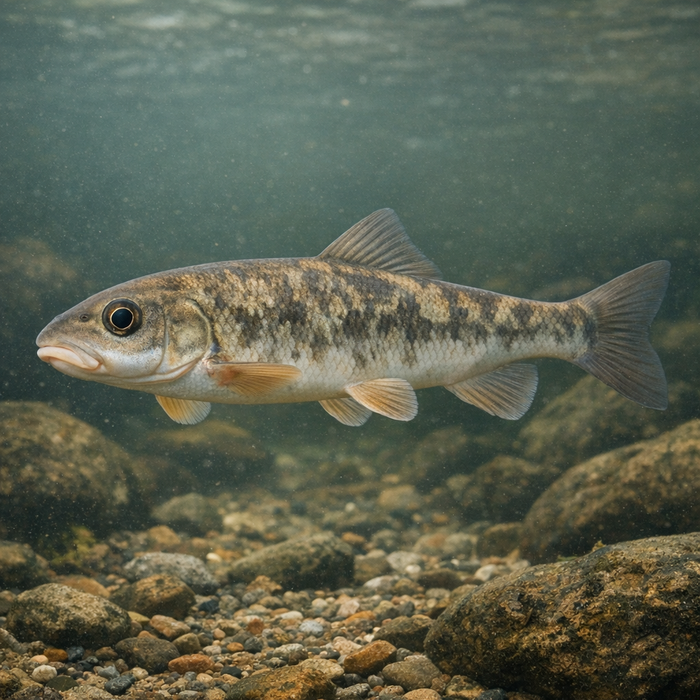
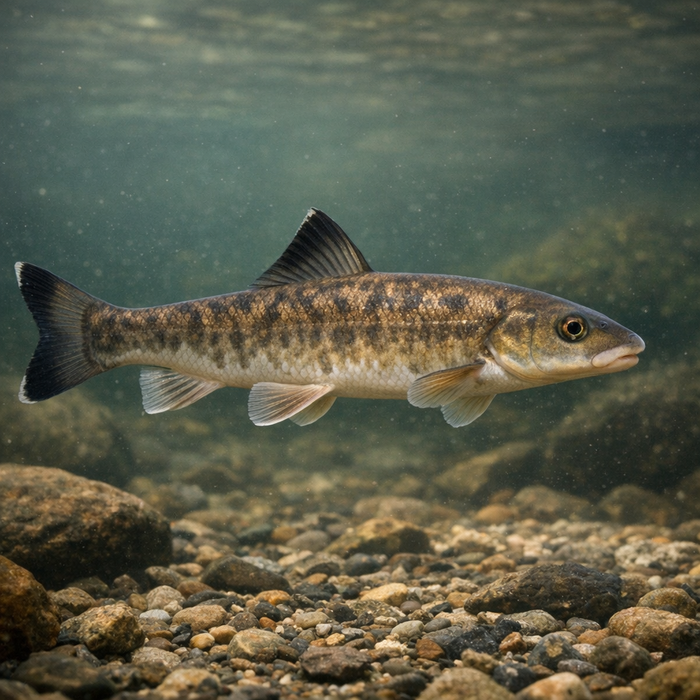
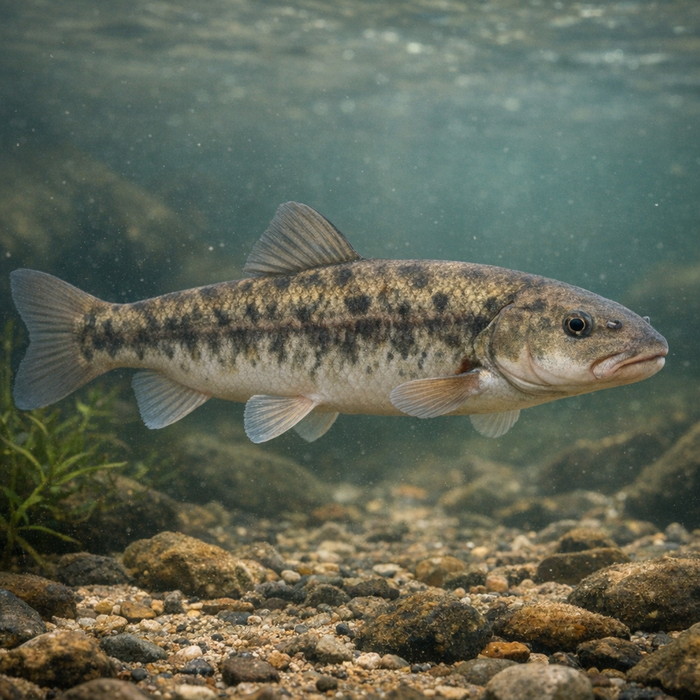
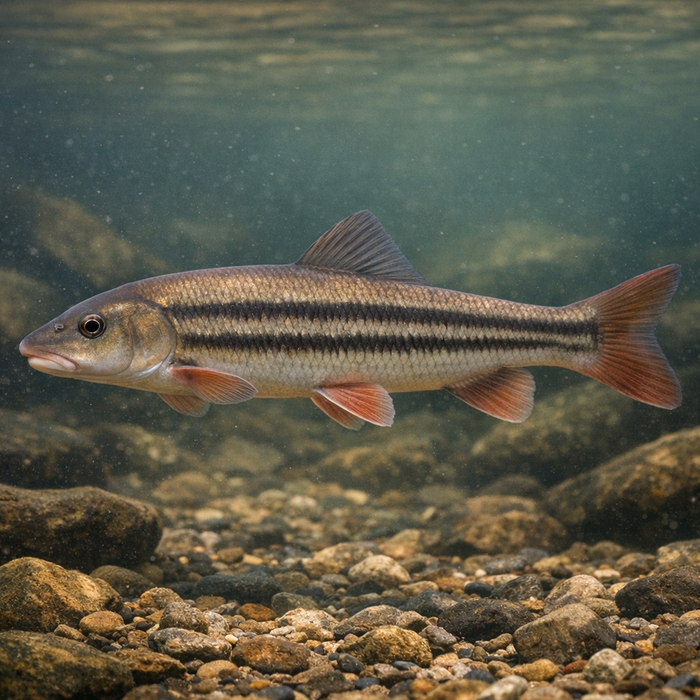
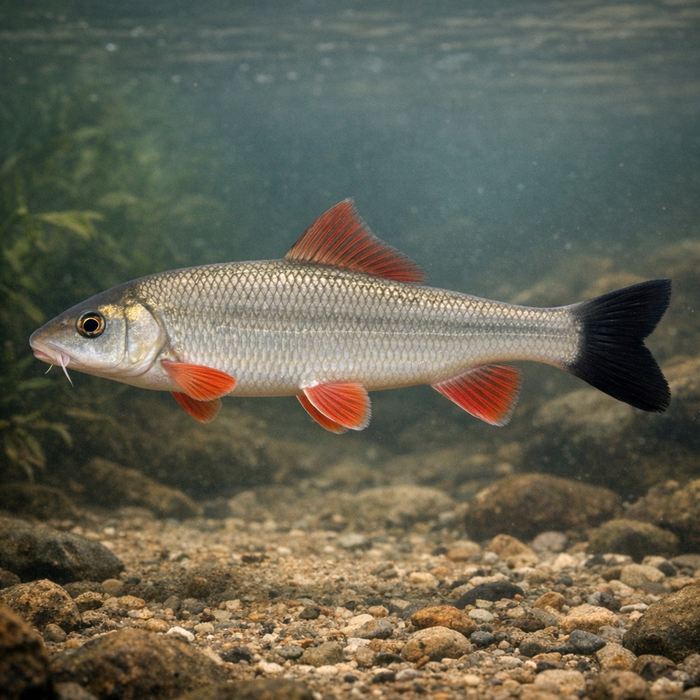
Alabama Hog Sucker (Hypentelium etowanum): Riffle bulldozer with a vacuum for a faceIntroductionThe Alabama hog sucker is the streambed janitor you didn't know you needed. Thick lips, blocky head, oversized fins-this fish was clearly built to pin itself to boulders and Hoover up the buffet. It's not glamorous, but it's legit fascinating. If you like wild creeks, rock gardens, and watching fish outsmart current, the Alabama hog sucker sits squarely in your wheelhouse. These rough-and-ready benthic specialists also tip anglers to clean, healthy water, making every encounter a small win for your conscience.What Makes the Alabama hog sucker Unique?First, the chassis. The Alabama hog sucker sports a squared-off skull with ridges and keels that act like a current splitter, letting it hunker down in pushy water where more delicate fish tap out. Second, the mouth. Those thick, rubbery, downward-facing lips are made to scrape, pry, and vacuum tiny invertebrates from rock. Third, the fins. Big, splayed pectorals lock the fish in place like kickstands, giving it ridiculous traction in chute-like flows. Put it all together and you've got an invertebrate-hunting specialist many anglers cruise past without noticing.Habitat & Global RangeIf you're searching for Alabama hog sucker habitat, think clear, rocky creeks and small rivers with cold to cool flows. The species is tightly associated with riffles, runs, and shallow pocket water where clean gravel or cobble rules and silt is scarce. Distribution centers on the Mobile Basin and neighboring Southeastern drainages, especially streams with good gradient and plenty of oxygen. You'll see them most often around the heads and tails of pools, in knee-deep water that looks perfect for wet-wading. They're not migratory in the classic big-river sense, but seasonal shifts in flow and temperature move them around riffle complexes.Behavior & TemperamentThe Alabama hog sucker is a low-drama customer. It holds tight to the bottom, facing into current, methodically working rocks for mayfly and caddis snacks. Spawning pops in spring over clean gravel with little ceremony. They're wary fish, spooking from heavy footfalls or sloppy casts, but they're not endurance fighters. Hook one on ultralight gear and you'll get a few hard surges and a bulldogging attempt to dive back into the rockwork. Watch for them on bright days tucked behind cobbles, using just enough current to ferry food to their lips.Ecological ImportanceThis fish is a quality-control inspector for streams. By scraping biofilm and hunting insect larvae, the Alabama hog sucker keeps rock surfaces clean, influencing the tiny ecosystems that cling to every cobble. That foraging also flips stones, opening microhabitats for invertebrates and helping cycle nutrients. Because it demands clear, oxygen-rich water, its presence flags a creek that's doing things right. Lose the hog suckers, and you usually lose a lot more.Conservation & Environmental PressuresThe Alabama hog sucker is generally stable, but it's picky about water quality. Sedimentation from bad forestry, unpaved roads, and sloppy construction work buries the clean gravel they require. Low flows and hot summers shrink riffles and concentrate stress. Chemical spills and chronic runoff sap insect life and oxygen levels. None of that plays nice with a riffle specialist. The good news: protect riparian buffers, keep stormwater in check, and these fish hang tough. Localized declines often mirror land-use problems, not some mysterious population crash.The FishyAF TakeThe Alabama hog sucker isn't a headliner, but it's the soul of a healthy stream. If your idea of fun is tiptoeing across cobbles, dropping a tiny bait into a seam, and feeling a smug little thump from a fish perfectly adapted to fast water, this one's your huckleberry. Alabama hog sucker facts and Alabama hog sucker habitat both point to the same truth: respect the riffle, respect the rock, and you'll appreciate this species. It's deliberate, a little stubborn, and absolutely dialed to its niche. Catch one, admire that square mug, and let it go to keep doing the river's dirty work.