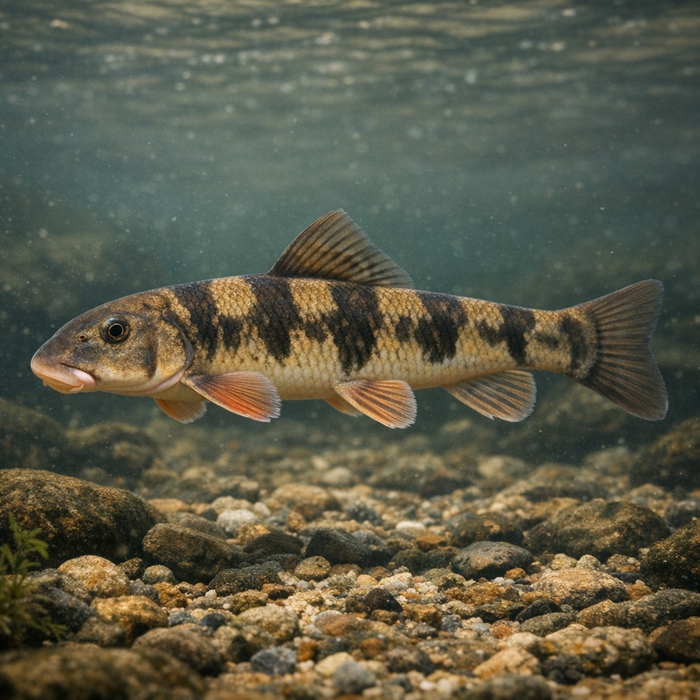
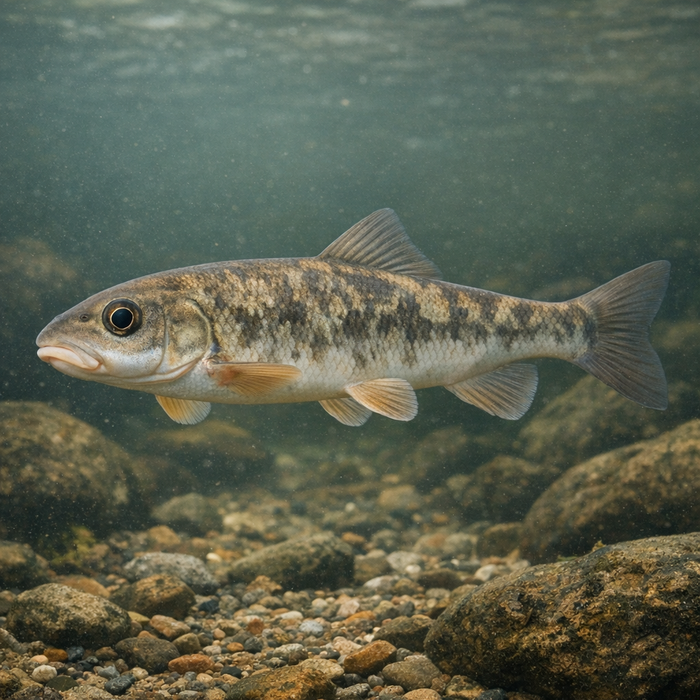
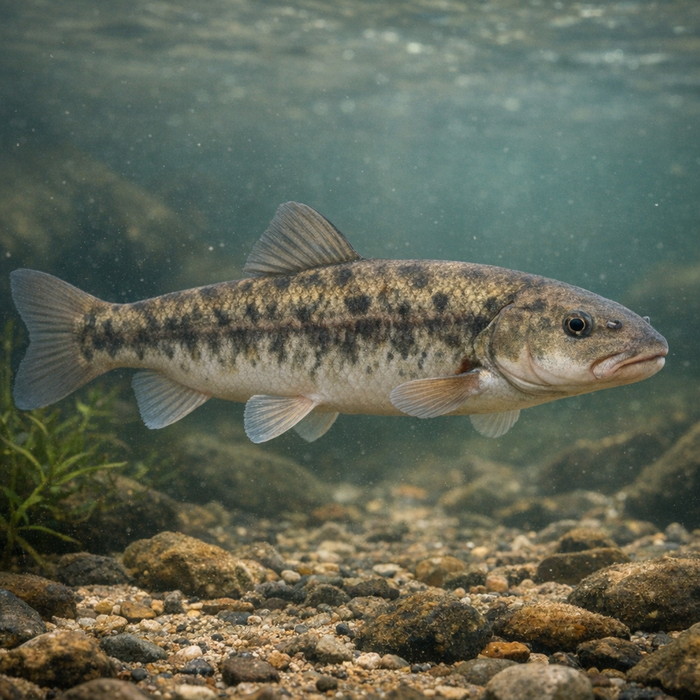
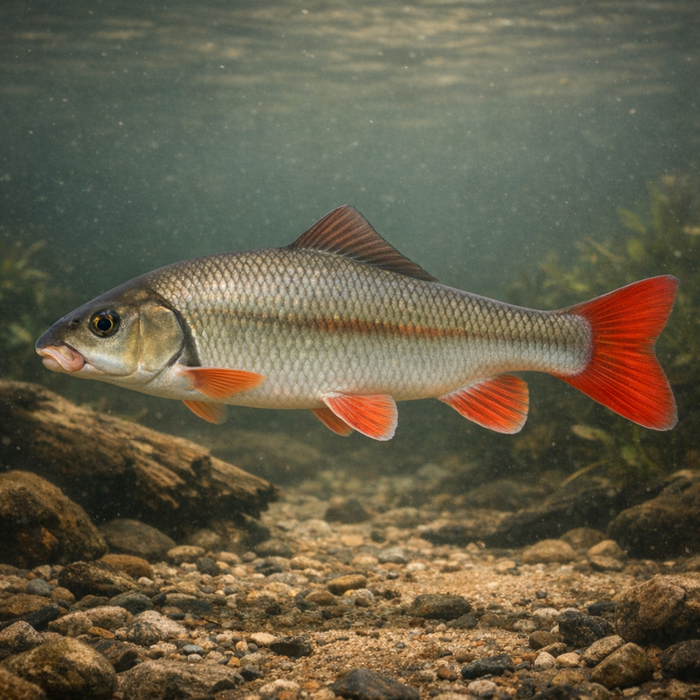
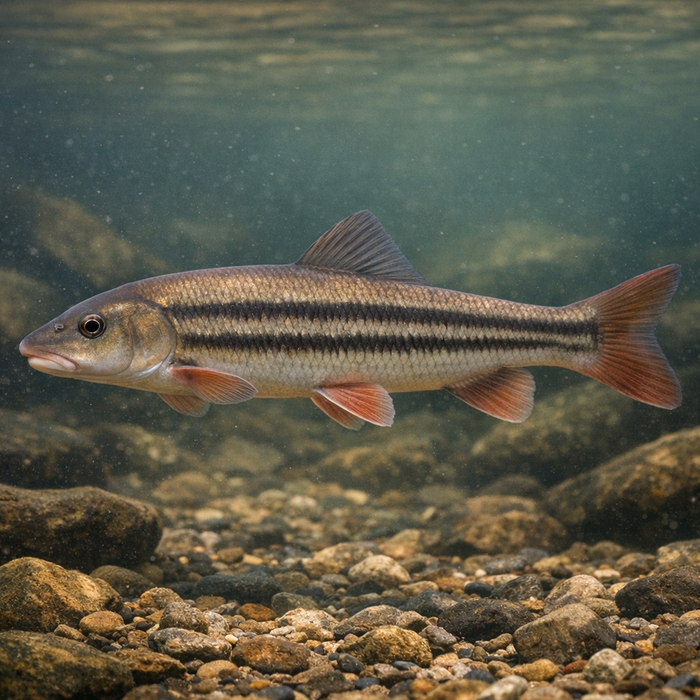
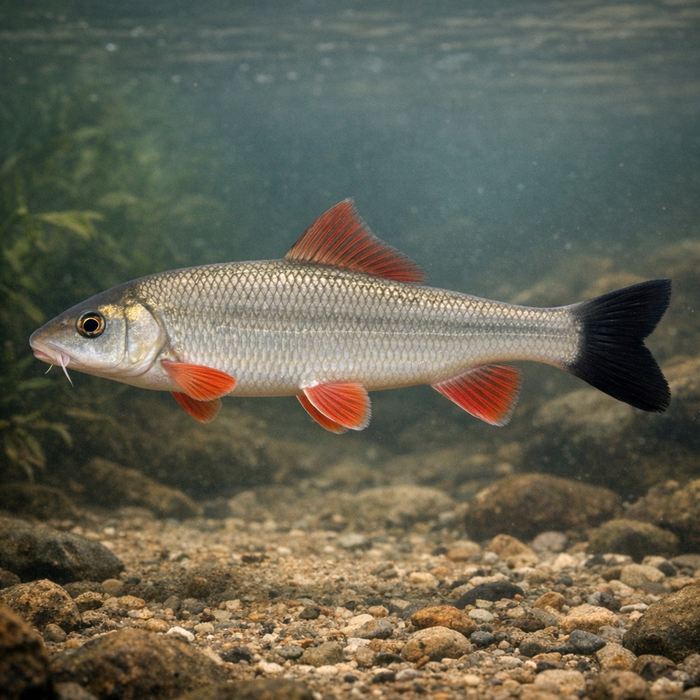
Blacktip Jumprock (Moxostoma cervinum): A Bold, Memorable Hook LineIntroductionThe blacktip jumprock isn't flashy by size, but it makes up for it with swagger. Those ink-black fin tips slice through riffles like punctuation marks, and its vacuum-mouth hoovers life from gravel with ruthless efficiency. If you like precise presentations, clear water, and currents that make your calves burn, the blacktip jumprock is a highly addictive target.What Makes the Blacktip Jumprock Unique?Start with the obvious: crisp black tips on the dorsal and caudal fins that look hand-dipped. They're not just a mood color; they're a calling card that stays visible even in scoured shoals. Then there's the build. This fish is a current junkie, wearing broad pectorals like wings so it can hover in pounding flow. Finally, the business end. Thick, grooved lips and a subterminal mouth are engineered for vacuuming tiny invertebrates from clean gravel. Hook one and you'll feel a stubborn, bulldogging wobble rather than fireworks, but in ripping current even a one-pounder can feel punchy.Habitat & Global RangeLet's get into blacktip jumprock habitat. This species is a riffle-and-run specialist in small to medium clear rivers with cobble and pea gravel. Think seams below shoals, tongues of current above pools, and knee-deep rock gardens where your boots chatter. Depth is modest, often one to four feet, with high oxygen and fast lanes broken by boulders. The range is limited within the Southeast, which keeps pressure low and the water personal. If you're chasing a checklist fish, this one rewards map work and careful wading.Behavior & TemperamentBlacktip jumprocks are deliberate feeders, nosing into the flow to sift food from the substrate. They hold tight to bottom, using current like a conveyor belt. Spook one and it won't always rocket downstream; often it slides behind a rock and pins there, letting the flow hide it. They commonly group loosely in productive riffles, especially during spring pre-spawn and spawn. Peak movement and feeding align with stable flows, rising barometers, and soft light, though bright mid-days produce when shadows and depth offer cover.Ecological ImportanceThis fish is a gravel janitor and a bio-signal. By vacuuming insect cases and organic bits, it recycles energy and keeps riffles tidy. Its love for clean rock makes it a living audit of water quality. A healthy blacktip jumprock scene usually means clear water, stable banks, and a river that breathes well.Conservation & Environmental PressuresThe blacktip jumprock's biggest enemy is silt. When banks shed mud or dams flatten natural flows, riffles clog and spawning sites vanish. Low water, sudden floods, and warm, oxygen-poor spells also pinch. It isn't a marquee gamefish, so it doesn't benefit from big-budget management. But what helps trout helps jumprocks: cold tributaries, intact riparian buffers, and clean gravel. Keep an eye out for local protections and special status listings, which can change across jurisdictions.The FishyAF TakeIf you crave delicate presentations and honest current, the blacktip jumprock is your jam. It turns Blacktip jumprock facts into action: stealth, light line, micro hooks, and a steady hand in fast water. No, it won't peel drag like a striper. But it will make you read seams, swing small nymphs perfectly, and stay humble. Land one from a knee-deep, sparkling riffle and tell us that wasn't a proper win. Some fish are about glory. This one is about craft.