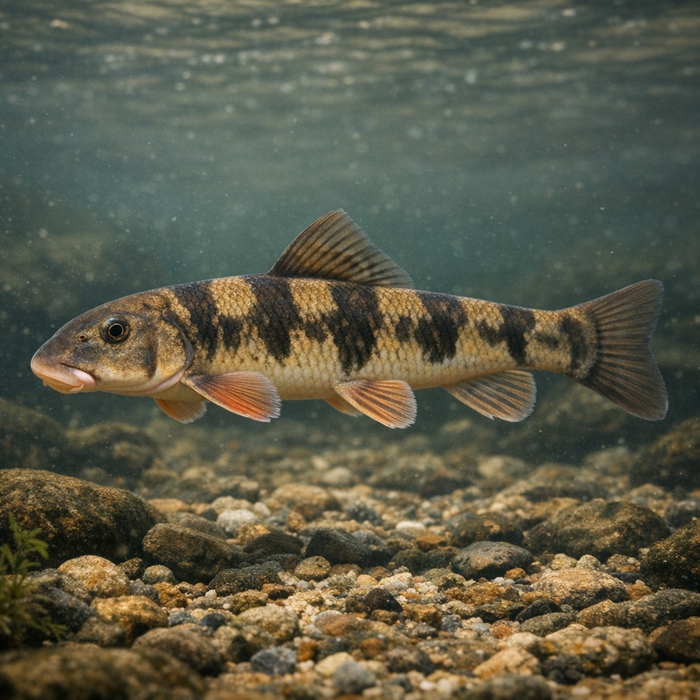
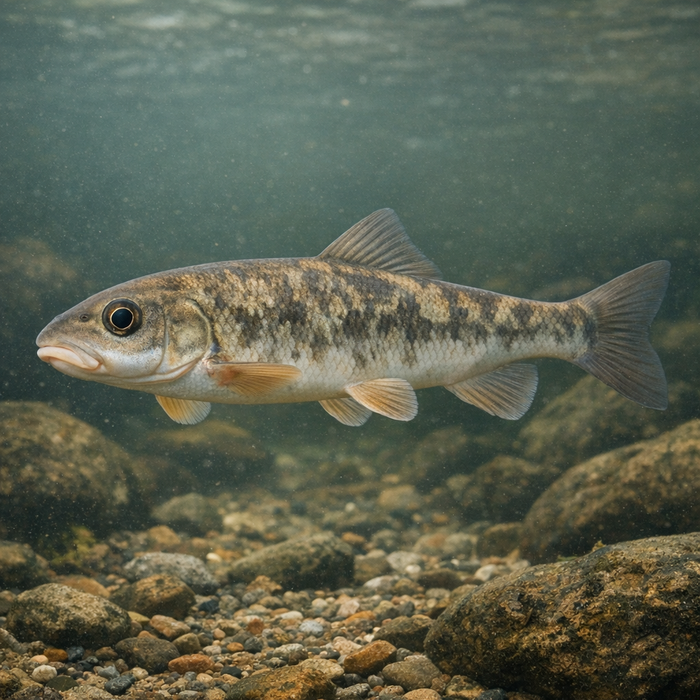
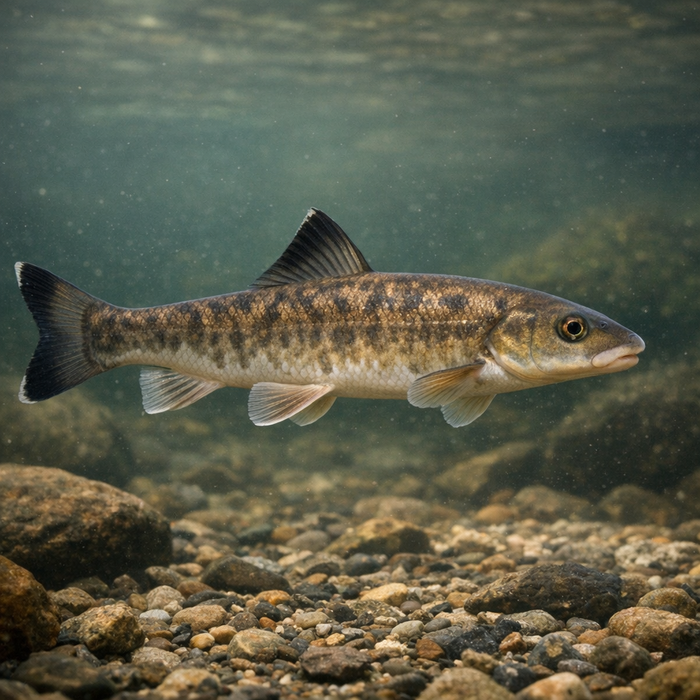
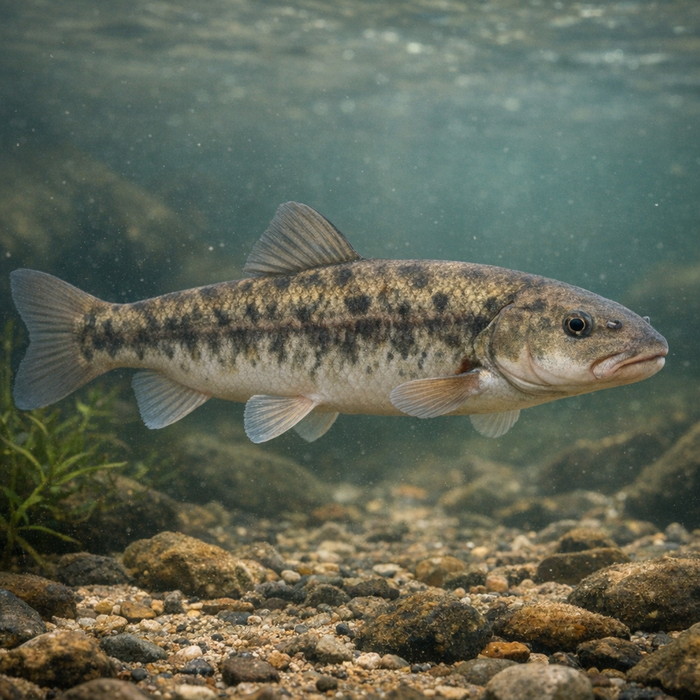
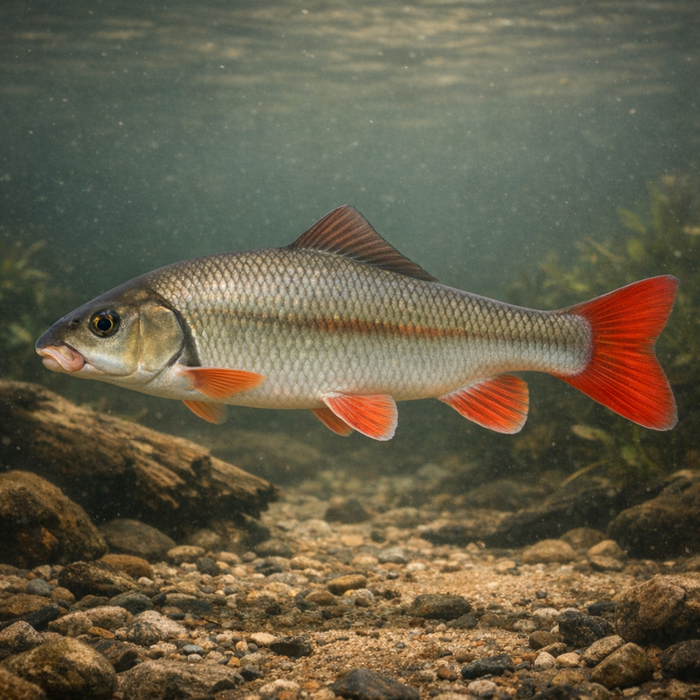
Blacktail Redhorse (Moxostoma poecilurum): A Bold, Memorable Hook LineIntroductionThe blacktail redhorse is the stealth bomber of Gulf-slope rivers: clean lines, quiet attitude, and a tail marked like it swiped eyeliner. You won't catch it by accident very often, and when you do it's because you dialed in small baits, subtle rigs, and perfect drifts. This is not a fish for splashy heroics. It's a fish for anglers who appreciate subtlety, current seams, and the satisfaction of solving a living puzzle.What Makes the Blacktail redhorse Unique?Start with the namesake tail. That dark bar riding the caudal fin is the calling card that separates this redhorse from its cousins at a glance. The mouth is a precision tool: downturned, fleshy, and papillose, built to vacuum fine sand and gravel, then sift food like a living filter. Hook one and you won't get a tarpon show, but you'll feel a determined bulldog pull that telegraphs directly through ultralight tackle. Add in its love for clean, moving water and you've got a species that rewards anglers who read current better than a map.Habitat & Global RangeIf you're hunting "Blacktail redhorse habitat," think Gulf-slope waters. This species centers on the Mobile, Pascagoula, and Pearl river basins, with outposts across similar Southeast drainages. It prefers medium rivers and larger creeks with firm sand and gravel, plus the riffles and runs where insects churn through the substrate. You'll encounter them around pool heads, tailouts, and gentle shoals rather than in deep, still reservoirs. After heavy rains, some fish shift downstream into broad lowlands and tidal-fresh zones, then push back into cleaner tributaries as flows stabilize. The common thread is current that keeps the bottom swept and oxygen high.Behavior & TemperamentThe blacktail redhorse is a methodical bottom feeder, working lanes like a vacuum and spitting silt puffs as it filters snacks. It often travels in small, loose groups rather than tight schools. Wariness is its superpower. Any shadow or thump sends fish sliding out of position. Spawning typically fires in spring when water temperatures hover around the 60s, drawing fish onto shallow riffles. Outside of spawning, feeding windows are strongest early and late, with midday bites tied to steady, moderate flow. The fight is steady and stubborn rather than flashy, so light line and small hooks are the fun equalizers.Ecological ImportanceCall it the river's quality-control department. By processing sand and gravel, blacktail redhorse help keep benthic habitats tidy and productive. Their presence often hints at decent water quality, since silt-choked, low-oxygen conditions rarely hold stable populations. Juveniles feed a food web that includes bass, gar, and catfish, while adults convert insect life into sleek, dependable biomass. In short, if you want a healthy southern river, you want strong redhorse numbers.Conservation & Environmental PressuresBig threats aren't always dramatic. Excessive sediment, poorly timed gravel mining, dam-altered flow, and pesticide-laced runoff quietly wreck the exact habitats this fish needs. Fragmented rivers block seasonal movements to spawning riffles. Even when fish persist, they may be pushed into marginal water that dulls growth and recruitment. The good news: many populations remain stable where watersheds still run clean. Anglers can help by practicing gentle handling, avoiding bed-rocking pressure during visible spawns, and supporting local habitat projects.The FishyAF TakeBlacktail redhorse aren't Instagram catnip, but they're catnip for anglers who love craft. Light line. Tiny hooks. Natural drifts. You'll spot silt puffs, adjust your shot by inches, and feel the soft "pickup" that says set the hook now. It's chess, not checkers, and that's why it's addictive. If you came for splash and swagger, keep walking. If you came to actually fish, welcome to the club. For more Blacktail redhorse facts, keep your eye on current, not hype.