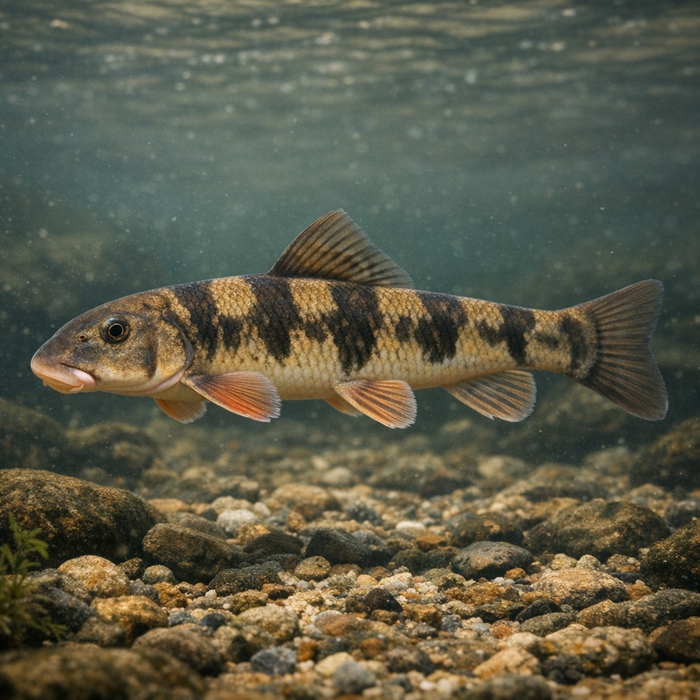
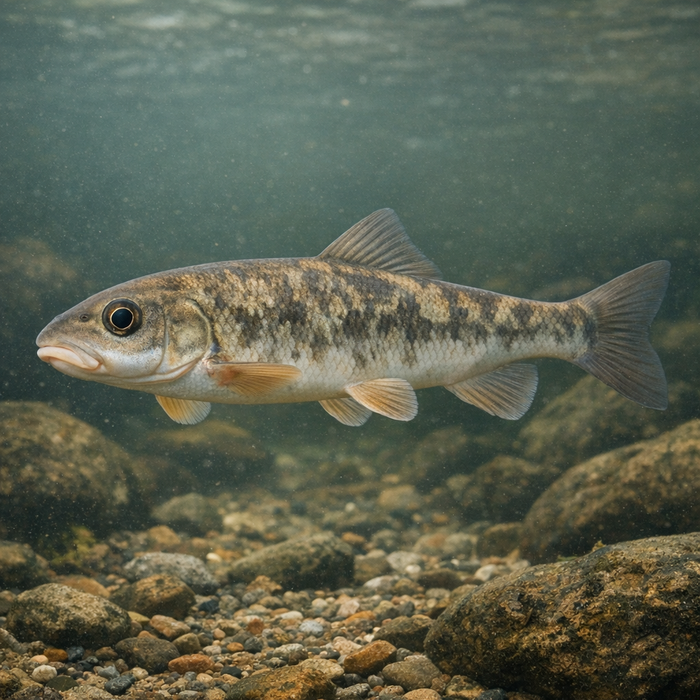
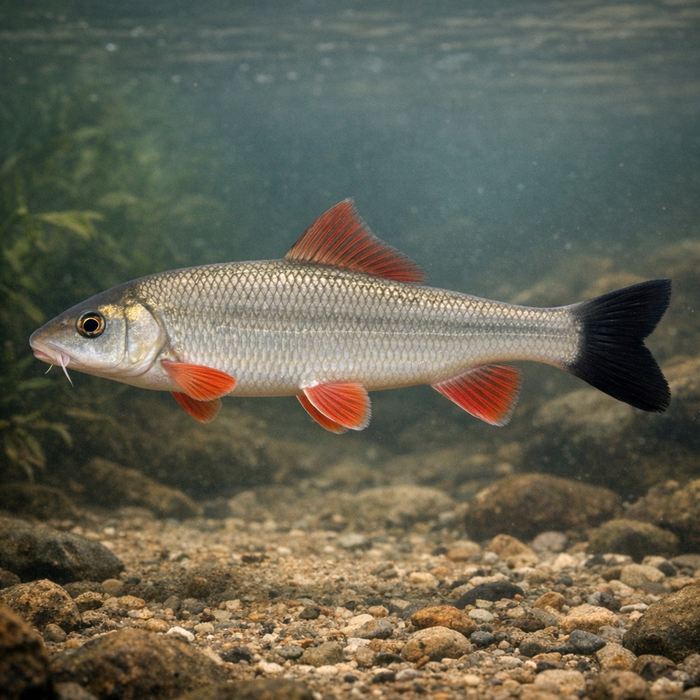
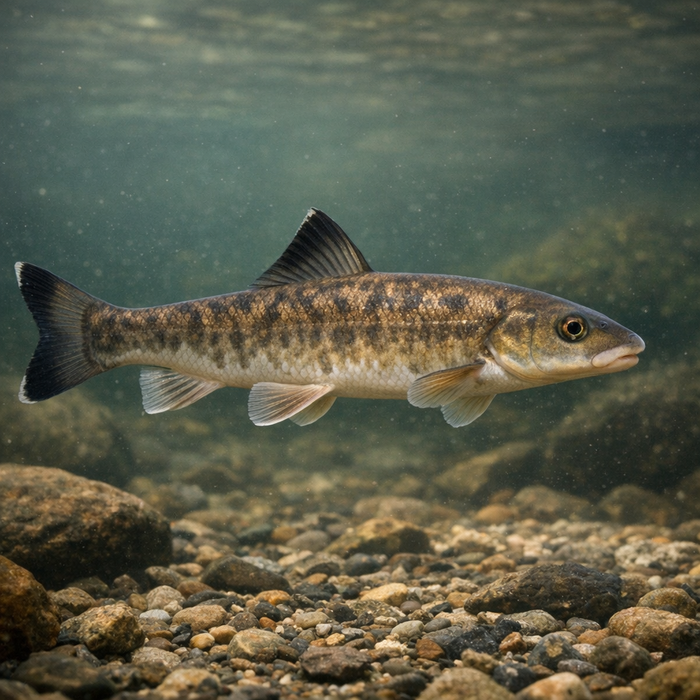
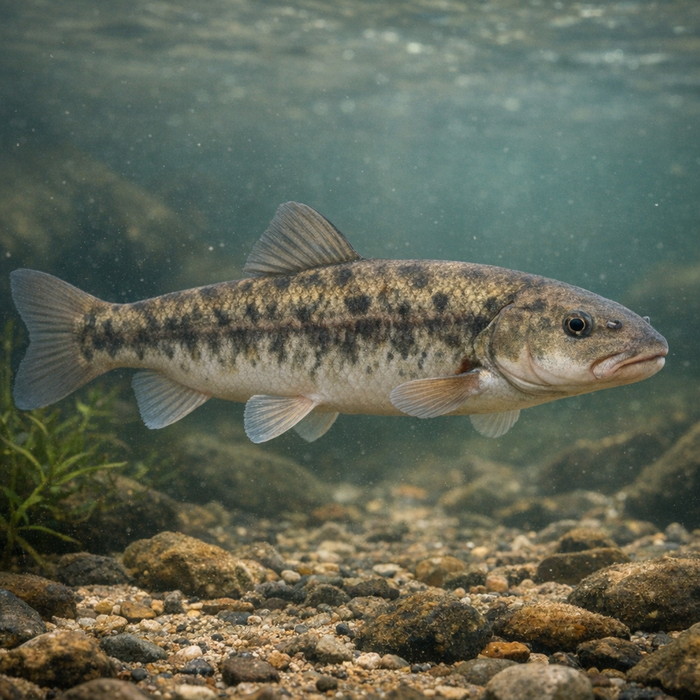
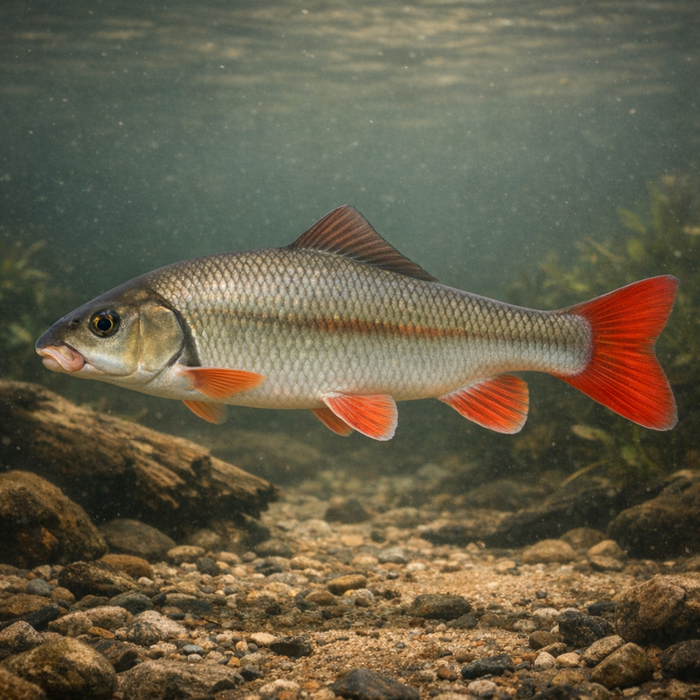
Pealip Redhorse (Moxostoma pisolabrum): Gravel-sifting sucker with a built-in pea lip and sneaky-good fight.IntroductionThe pealip redhorse is the freshwater equivalent of a sleeper hot hatch: unflashy on paper, zippy and addictive behind the wheel. It is a sucker, sure, but this isn't a mud-sucking caricature. In clean, fast Ozark-style rivers, the pealip redhorse cruises riffles like a vacuum on fins, flashing amber tails and silver-bronze flanks. For anglers who appreciate finesse, stealth, and a fish that rewards precision, this one checks every box.What Makes the Pealip redhorse Unique?Let's start with the namesake hardware. The pealip redhorse sports a round callus on the lower lip, the literal "pea lip" that scrapes algae and dislodges invertebrates from gravel. That lip, and the distinctive papillae pattern on its fleshy mouth, make species ID possible when other redhorses look like clones. It also fights better than the reputation suggests. Hook a solid pealip redhorse in shin-deep current and you get head-down torque, dogged arcs, and a surprising bend in light tackle. If you dig weird-but-true pealip redhorse facts, here's one: males gear up with rough breeding tubercles along the head during spawn season, looking like they shaved with sandpaper.Habitat & Global RangeThe pealip redhorse is a rivers-and-streams specialist that prefers clear flow, gravel to cobble substrate, and well-oxygenated riffle-run complexes. Think Ozark and Ouachita country: shady banks, limestone springs boosting clarity, and long shallow tongues of current tailing into pools. Most anglers encounter it in the south-central U.S., especially waters that still run cool and clean through forested uplands. If you're scouting pealip redhorse habitat, prioritize water with consistent current, stable flows, and substrate that clatters rather than mushes under your boots. Slower pools hold them between feeding runs, but the business end of their day happens across riffles and at the heads of holes.Behavior & TemperamentPealip redhorse are methodical bottom foragers. They nose down, work small patches, puff silt when they stir the stones, then slide a few feet and do it again. Spawning in late spring pushes adults shallow and social, often drawing several males to one ripe female. Outside that window, they act cautious. Big wakes and careless steps send them rocketing into the nearest shadows. They rarely surface feed, and most eats occur right on the deck, so anglers win by placing baits and nymphs in tight strike zones and letting the fish come to them. Hooked fish surge low and steady with a bulldog lean, not a blistering run.Ecological ImportanceThe pealip redhorse is a benthic janitor with style. By rasping and sifting, it circulates nutrients, clips periphyton, and exposes tiny prey that fuel entire riffle communities. Clean gravel is both the workplace and the nursery; eggs settle into gaps where flow keeps them oxygenated. Healthy populations broadcast a deceptively simple message about watershed condition: if pealip redhorse are common and chunky, the river's substrate, dissolved oxygen, and seasonal flows are probably doing just fine.Conservation & Environmental PressuresThis species fares best where water stays clear and moving. Siltation from poor land use, unstable banks, or upstream construction fills the very gravel pores eggs need. Warm, slack water can strand fish in subpar habitat through summer low flows. While the pealip redhorse is generally considered secure regionally, pockets of decline can occur where dams break rivers into warm pools or isolate key spawning riffles. Anglers can help by handling fish carefully, avoiding redds during the spawn, and being loud about erosion and riparian protection.The FishyAF TakeThe pealip redhorse is the quiet river flex. It demands patience, stealth, and small-bite tactics, then pays off with honest, current-fueled pull. If you chase nuance, this fish delivers. If you prefer fireworks and foam lines, consider a crossover day: swing streamers at dawn, then drop to ultralight and hunt riffles for a pealip redhorse after the sun clears the trees. You will learn more about pealip redhorse habitat in two hours of tiptoeing than a week of loud wading ever taught you. And when that rod doubles on a solid pea-lipped bruiser, you will stop calling them trash fish for good.