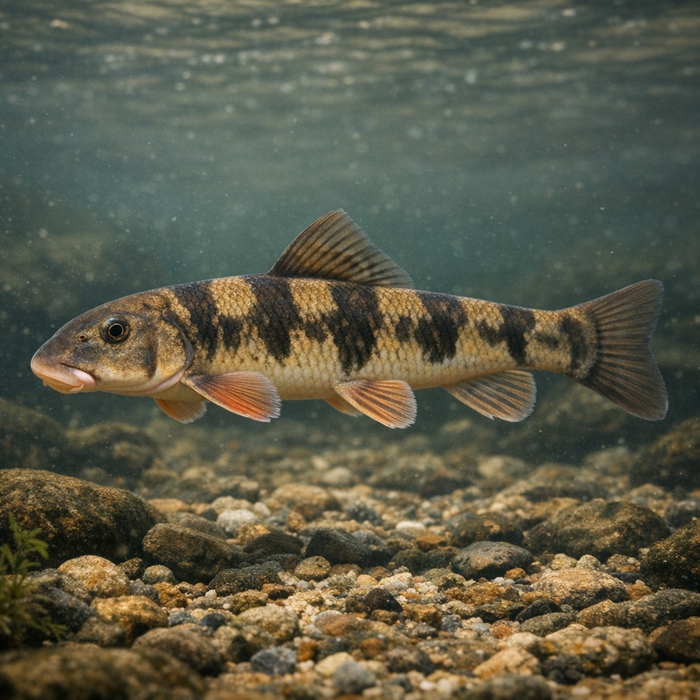
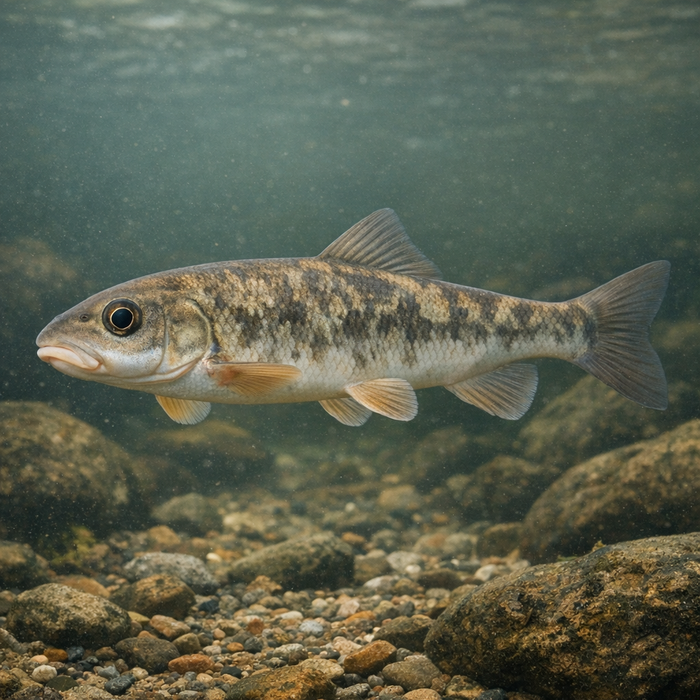
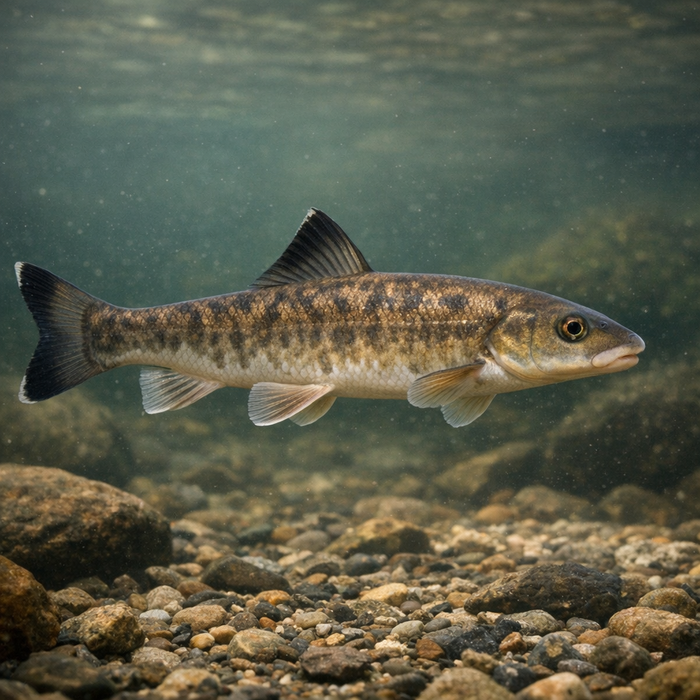
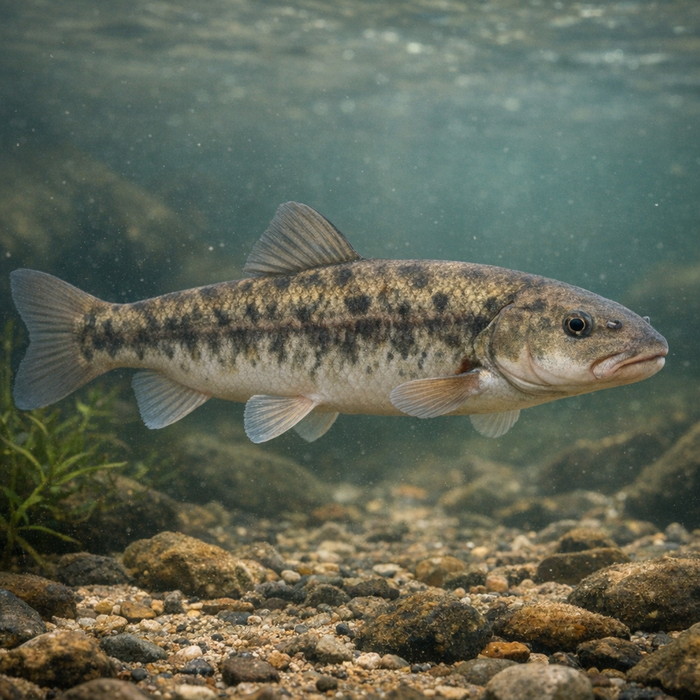
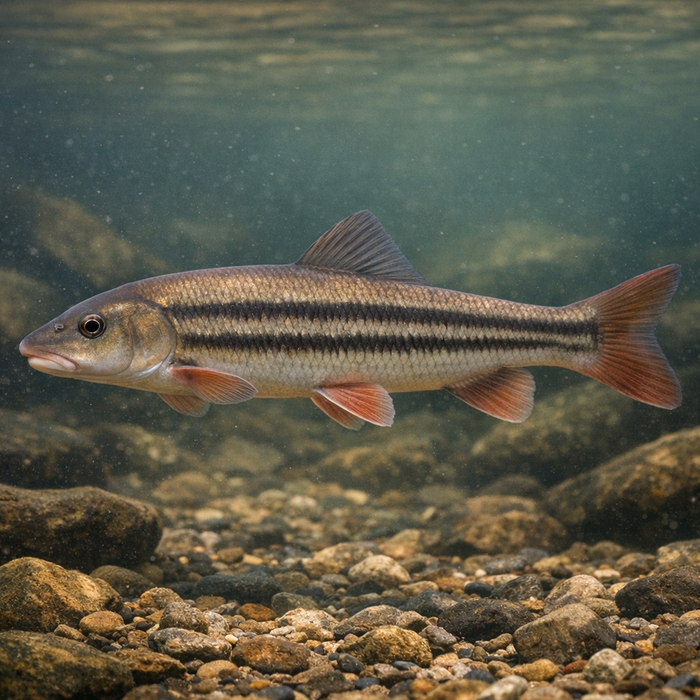
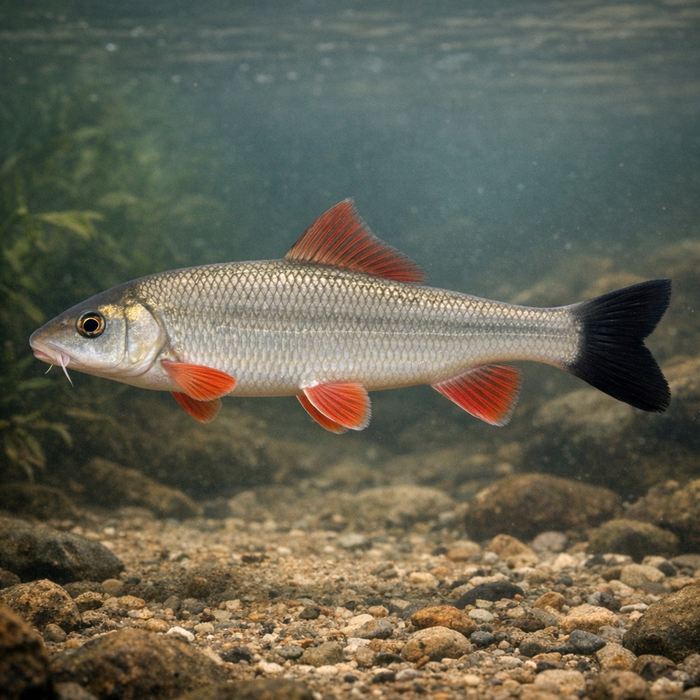
Notchlip Redhorse (Moxostoma collapsum): A Bold, Memorable Hook LineIntroductionMeet the low-key legend of the Carolina riffle. The Notchlip redhorse won't smash topwater or chase a spinner, but it will bulldog your light tackle and remind you who owns the gravel. If you've ever watched a clean run come alive with bronze flashes in spring, you've probably crossed paths with this underappreciated specialist. This is a fish for anglers who like subtle bites, honest fights, and pristine moving water. Consider this your quick hit of Notchlip redhorse facts without the textbook nap.What Makes the Notchlip redhorse Unique?Start with the namesake hardware: the lower lip has a deep, unmistakable notch. It's the fastest ID in the southeast sucker game, and you can even feel it with a fingertip. Pair that with coppery fins, a sleek torpedo profile, and a serious gravel-vacuuming habit. The Notchlip redhorse isn't flashy, but it's built for life in current. That subterminal mouth and tough lips sift insects, snails, and tiny crustaceans right out of the rocks, turning clean riffles into buffet lines.Habitat & Global RangeThe Notchlip redhorse is a southeastern specialist tied to Atlantic-slope drainages, especially Piedmont and Sandhills rivers in the Carolinas and nearby. Think clear to tea-stained flows, firm sand-and-gravel bottoms, and reliable current. You'll see them in modest creeks up through decent-size rivers, typically where riffles spill into runs and the substrate stays clean. Notchlip redhorse habitat is all about moving water and breathable gravel. When levels drop and clarity spikes, they're extra visible nosing into shallow seams and head-of-pool pockets. Dams, silted flats, and mucky bottoms don't suit them; they want flow that refreshes the buffet.Behavior & TemperamentThe Notchlip redhorse keeps a low profile. It's not aggressive in the bass sense, but it's a focused feeder that spends most hours pinned to the bottom. During spring, short migrations stack fish in riffles and shallow runs as water warms, often drawing dozens into the same beat. Outside those windows, they run in loose groups or small pods, ghosting between seams and under subtle current breaks. Hooked fish won't leap, but they dig in and ride the current like a cinder block with fins, which is why smart anglers fish light rigs but sturdy knots. Stealth matters; they're wary in clear water and spook from heavy footsteps or clumsy presentations.Ecological ImportanceThis species is a gravel janitor with a college degree. By rooting through stones for invertebrates, the Notchlip redhorse keeps substrates clean and oxygen flowing around eggs of other fishes. It recycles nutrients, supports higher clarity by disturbing fine sediments in small doses, and acts as a bio-signal for intact riffle habitat. Where redhorse are healthy, benthic insect life usually hums. Their feeding overlaps with other redhorse, but niche details and those notched lips keep them dialed into particular bottom textures and flow speeds.Conservation & Environmental PressuresWhile generally stable, the Notchlip redhorse rides the same roller coaster as many southeastern river fishes. Siltation from development smothers the very gravel they need. Dams fragment runs and bottle up flows. Low summer water, sudden withdrawals, and flashy storm events hit spawning success and feeding efficiency. Misidentification also muddies data, especially in places where multiple redhorse mingle. The fix isn't complicated: protect riffles, manage sediment, keep flows reasonable, and maintain fish passage. Do that, and this sucker keeps doing blue-collar work for the river.The FishyAF TakeThe Notchlip redhorse is the fish that proves finesse matters. Slide into a knee-deep run, hide your shadow, and drift something small and honest along the gravel. The bite is a whisper; the fight is stubborn; the smile is guaranteed. If you crave hype, fish elsewhere. If you like skill shots and clean water, this is your jam. Notchlip redhorse habitat overlaps some of the southeast's prettiest wading water, and this species turns a quiet afternoon into a masterclass in reading current. For anglers in the know, the Notchlip redhorse is a badge of patience, precision, and river sense.