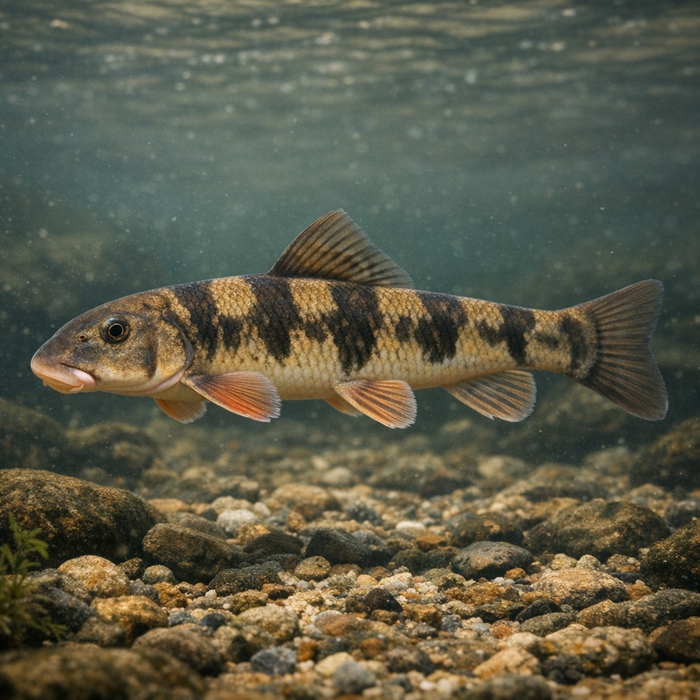
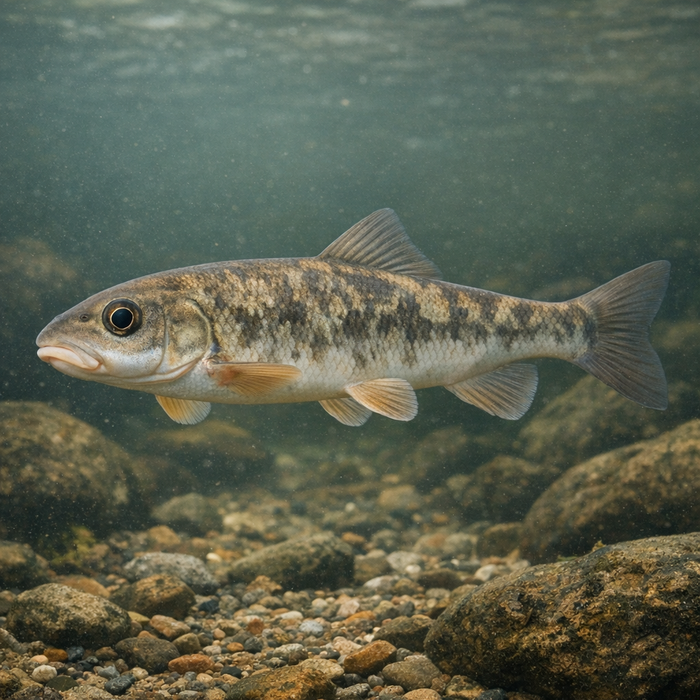
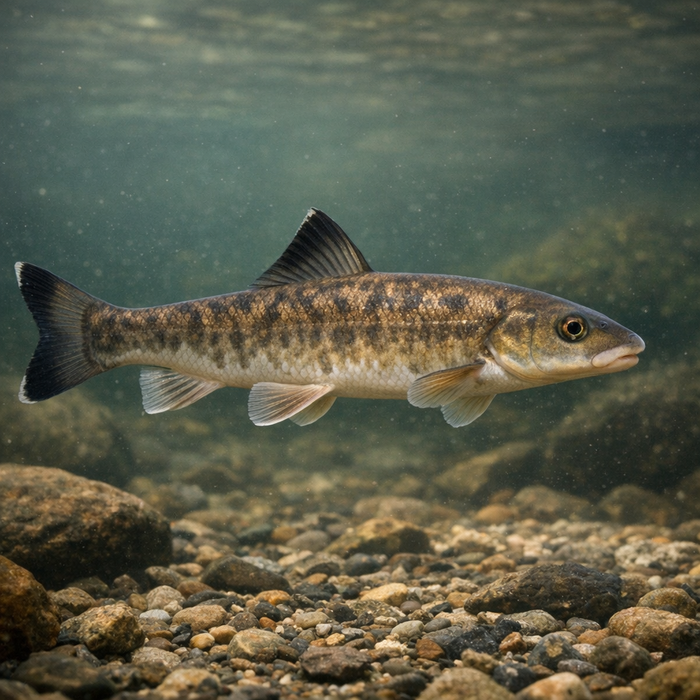
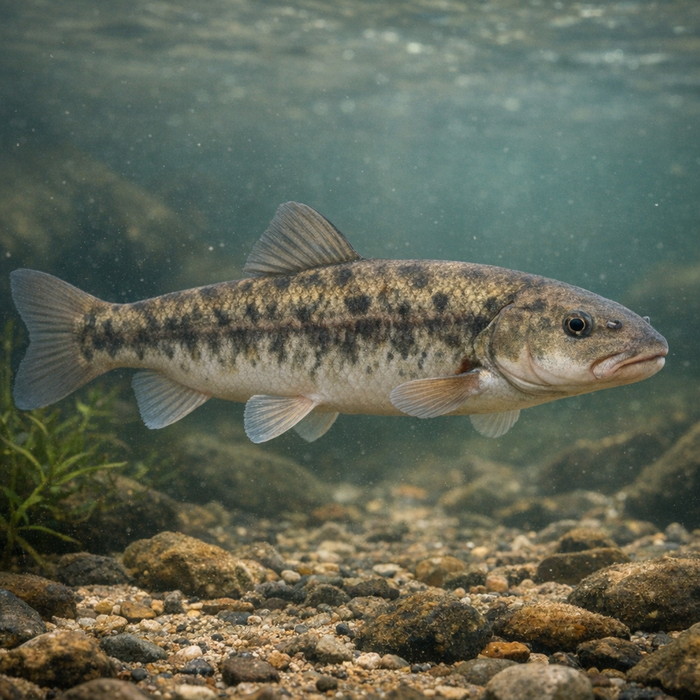
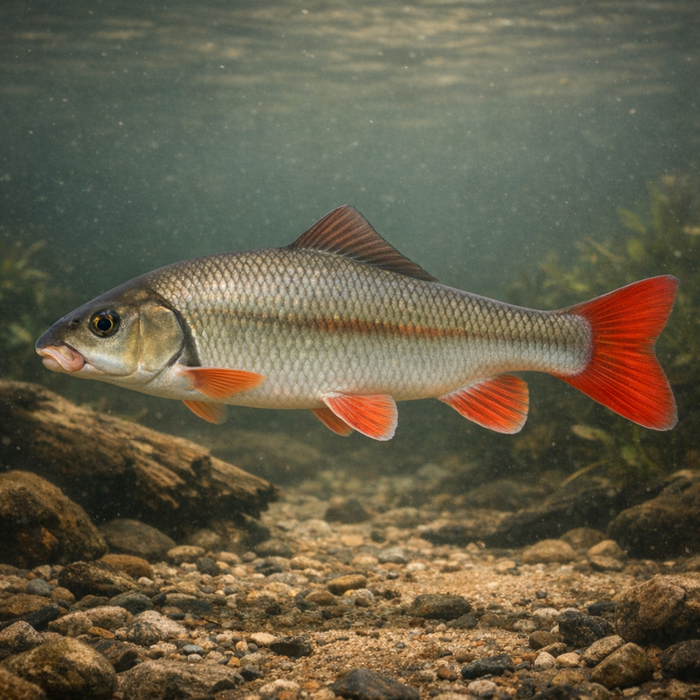
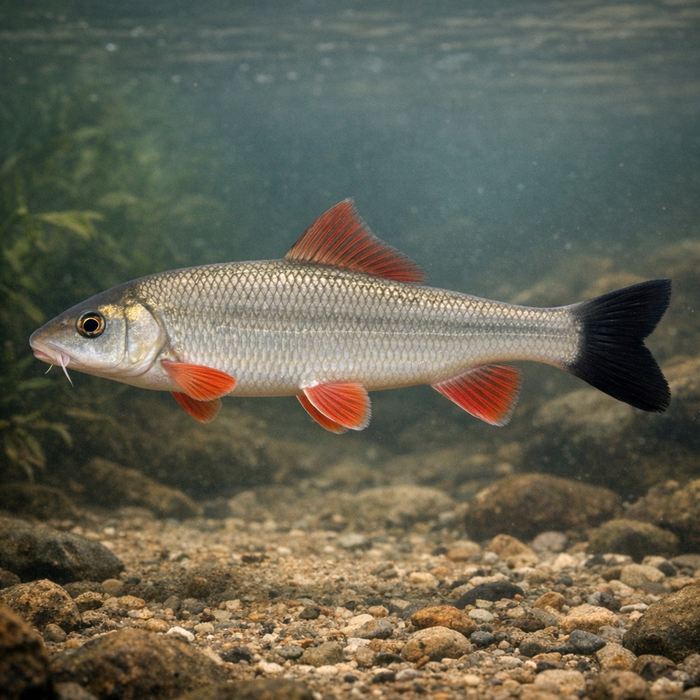
Striped Jumprock (Moxostoma rupiscartes): A fast riffle specialist with racing stripes and a vacuum-cleaner mouth.IntroductionIf you like fish that clock into current like tiny river tractors, the striped jumprock is your huckleberry. This sleek sucker from the Southeast isn't famous like bass or trout, but it's purpose-built for life in cobble riffles. Anglers who chase "rough fish" know: when the river's foaming and the bugs are rolling, a striped jumprock can be the most committed feeder in the lane. Consider this your crash course in striped jumprock facts, behavior, and why this little bulldozer deserves some respect.What Makes the Striped Jumprock Unique?Start with the look. True to its name, the striped jumprock wears bold lateral striping that stays visible even in stained water. It's not just for style points; that pattern helps with quick ID in fast, shallow runs where you get only a blink. Then there's the business end. The mouth is a pro-level tool: lips protrude and seal to rock, letting the fish vacuum mayfly and caddis nymphs straight off the cobble. Add a torpedo body, wide pectorals, and you've basically got a riffle hovercraft. During spring, males develop rough breeding tubercles and orange-tinged fins, turning the whole shoal scene into a gritty, head-bumping parade.Habitat & Global RangeThe striped jumprock is a Southeastern US native keyed to Piedmont and upper Coastal Plain rivers with clean gravel, steady flow, and high oxygen. Think knee-to-waist-deep runs, tailouts below shoals, and the pushy edges where laminar flow meets boulders. That's classic striped jumprock habitat. They don't care for silt, so systems with healthy buffers, stable banks, and regular flushes tend to hold better numbers. While they'll use adjacent pools as staging areas, feeding lanes are almost always on the seams and riffle carpets.Behavior & TemperamentThese fish are bottom-focused workaholics. Head down, tail up, they cruise upstream inches off the rocks, pivoting on big pecs while the mouth does its vacuum routine. They're not flashy fighters, but in current they punch above their weight with a bulldog lean that surprises first-timers. Dusk and overcast periods often spark more movement, especially when nymphs tumble. In spring, striped jumprock schools tighten as they broadcast eggs over clean gravel; then things loosen as flows and temperatures shift.Ecological ImportanceStriped jumprock aren't just background extras. They're part of the stream's cleaning crew, scraping biofilm and demolishing invertebrate drift, which helps cycle nutrients and keep the riffle floor from getting funky. Their eggs and young feed a lineup of predators, and their foraging stirs benthic bugs into motion for other fish to capitalize on. When striped jumprock numbers are decent, it's a quiet thumbs-up for oxygen, substrate quality, and watershed health.Conservation & Environmental PressuresThe species is generally stable, but riffle fish live or die on habitat quality. Sedimentation gums up their gravel. Low flows and warm temperatures squeeze oxygen. Ill-timed withdrawals and channelization erase the very shoals they need. Because they rarely headline management plans, declines can sneak by under the radar. The fix is simple but not easy: protect riparian buffers, mind stormwater, maintain environmental flows, and keep shoals un-silted. Do that and striped jumprock will do the rest.The FishyAF TakeIf you're bored by cookie-cutter pond fish, the striped jumprock is your antidote. It's honest work: find clean rock and moving water, think like a nymph, and respect the conveyor belt. The fish won't wreck drags or win Instagram, but it will teach you how a river breathes. Learning a striped jumprock's lane-reading and timing makes you better at everything else, from trout nymphing to carp sniping. Call it rough fish if you want. We call it a masterclass in current, delivered with stripes.