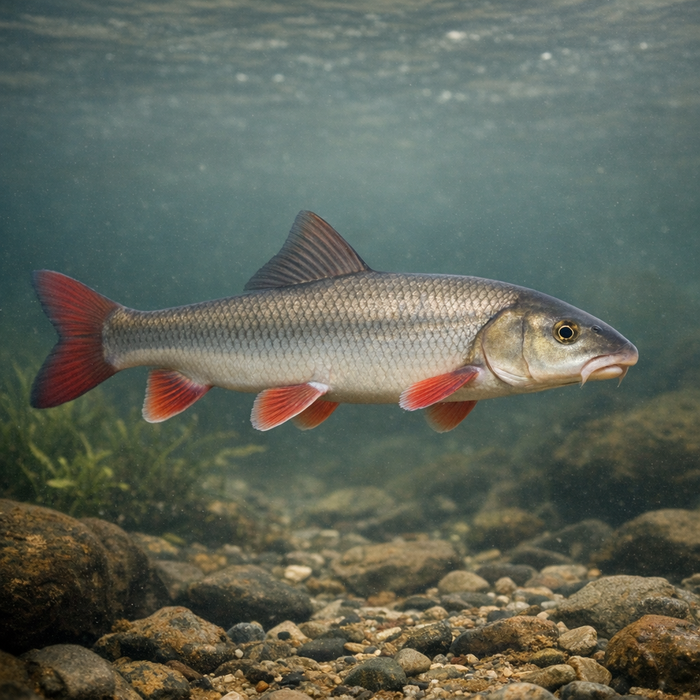
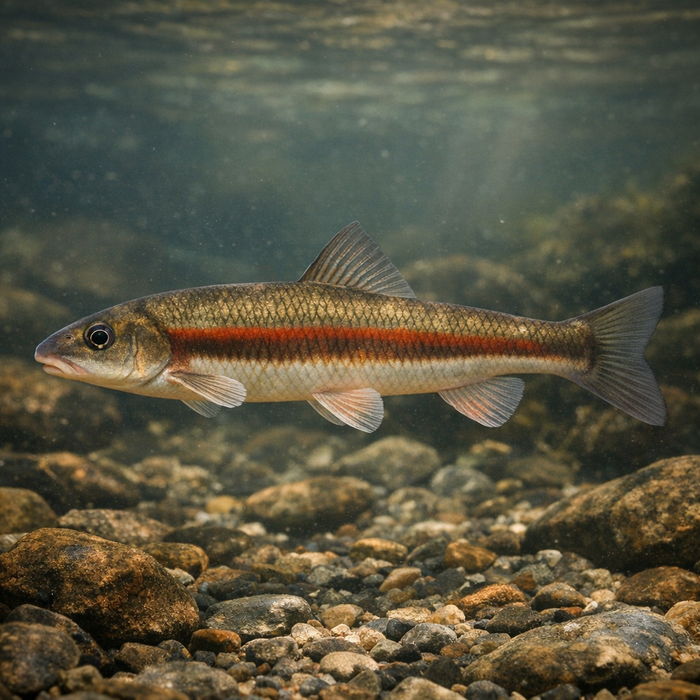
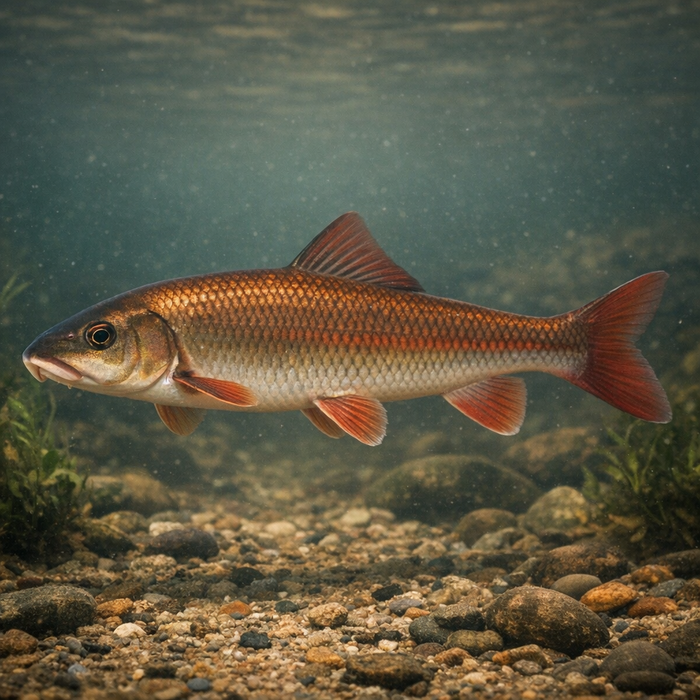
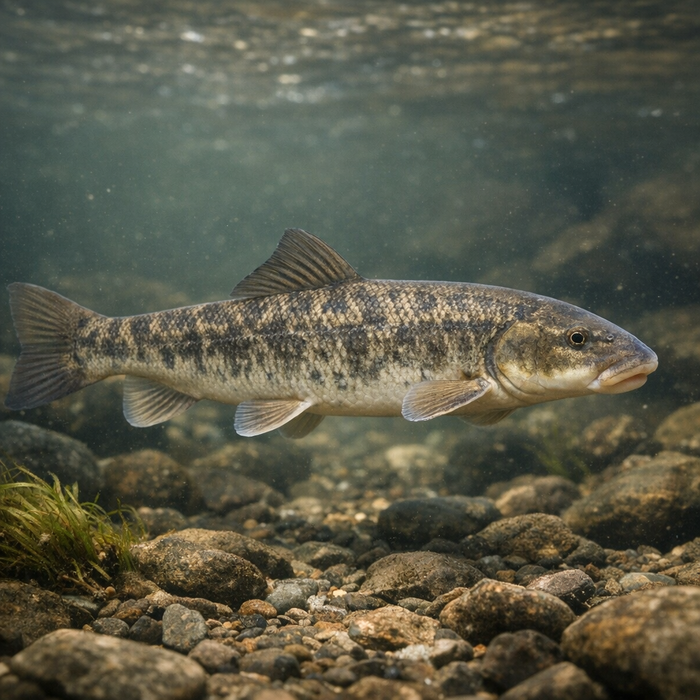
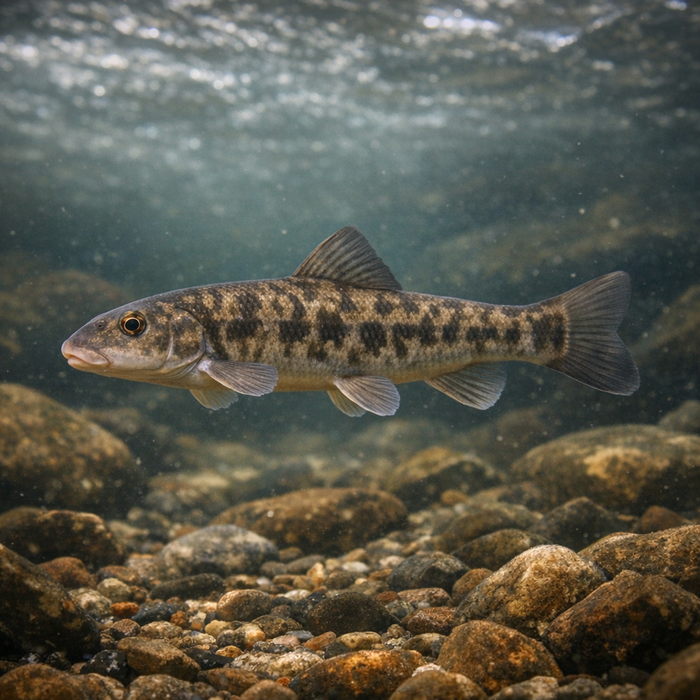
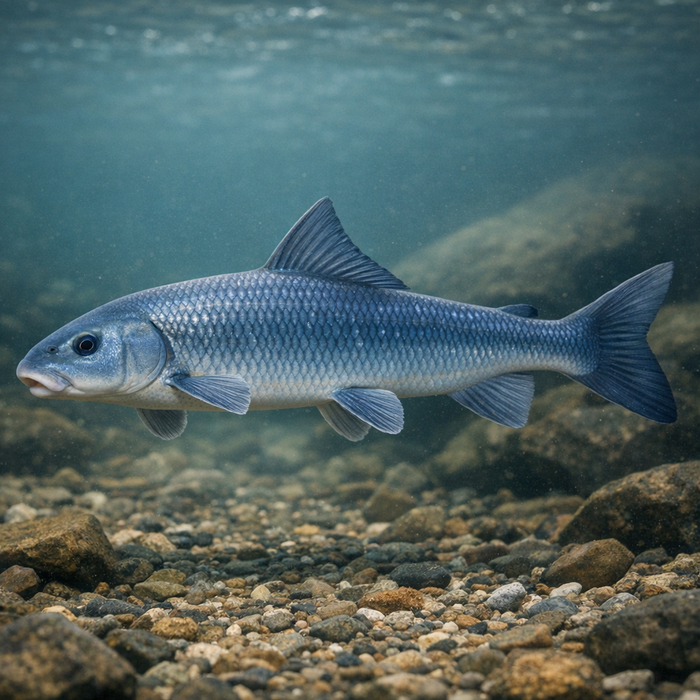
Smallmouth Redhorse (Moxostoma breviceps): A Bold, Memorable Hook LineIntroductionThe smallmouth redhorse is the river's quiet workhorse, a gravel-plowing, bug-inhaling sucker that shrugs off hype and still pulls hard. Anglers who stop laughing at "rough fish" long enough to fish for them quickly learn: this is a sharp-eyed specialist living where current sorts the rocks and exposes the groceries. If you want legit Smallmouth redhorse facts and a straight read on Smallmouth redhorse habitat, you're in the right riffle.What Makes the Smallmouth redhorse Unique?Start with the head. Breviceps means short head, and that compact bulldog profile pairs with a tiny subterminal mouth lined with plicate, vertical folds. It's a vacuum built for precision, not power-feeding. Then there's the spring suit: breeding males bristle with fine tubercles and pick up coppery fins over an olive-gold back, a dead giveaway in knee-deep riffles. Finally, this fish is a connoisseur of gravel. Not sand, not muck. Clean, marble-to-golf-ball cobble is the buffet line and the nursery.Habitat & Global RangeThe smallmouth redhorse is a child of current, thriving in small to medium rivers connected to the Great Lakes, the upper Mississippi and Ohio drainages, and pockets of the Northeast. It stakes out runs, riffle crests, and tailouts where oxygen and food keep cycling. Pools matter too, especially just above and below the fast stuff, but the heart of Smallmouth redhorse habitat is moving water brushing clean stones. When flows warm in spring, adults stage and push upstream to spawn on fresh gravel, sometimes traveling surprising distances within a watershed. Dirtied water, silted bottoms, and de-oxygenated slop? Hard pass.Behavior & TemperamentCall it wary but not impossible. A smallmouth redhorse feeds by rooting and inhaling nymphs, caddis, snails, and mussels, often in small groups. It's rarely aggressive like a bass; think steady grazer with brief hot windows when current and light line up. Hook one, and the fight is bulldogging and stubborn, no aerials, more torque than flash. They spook from heavy steps and gaudy hardware, so stealth and pinpoint presentations win. Low water plus bright sun usually shrinks the bite window to morning and evening.Ecological ImportanceThis fish is a river janitor with a biology degree. By scouring algae and turning over stones, it recycles nutrients, exposes macroinvertebrates to other predators, and literally polishes riffles. It's also a bioindicator. Healthy smallmouth redhorse often mean your sediment loads are down, oxygen is up, mussels are clicking along, and the waterway still has its seasonal pulse. Predators-from flathead catfish to osprey-cash in on juveniles, plugging the species neatly into the food web.Conservation & Environmental PressuresSilt is the villain. Fine sediment fills spaces between gravel, choking eggs and burying invertebrates. Add dams that flatten flows, warm water, and sever migrations, and you've got the recipe for fewer fish and smaller age classes. Pollution doesn't help, especially where mussels also struggle. The good news: the smallmouth redhorse remains widespread and classed as Least Concern across much of its range. Keeping it that way means protecting riffles, safeguarding flow regimes, and curbing unnecessary harvest during seasonal concentrations.The FishyAF TakeThe smallmouth redhorse is the blue-collar trophy. It asks for stealth, finesse, and a little humility. Bring worms, not ego. Learn the seams, read the cobble, keep the split shot honest, and you'll meet a fish that punishes sloppy presentations but richly rewards good ones. Chase glamour if you must, but once you watch that short head dip and those lips flare over clean gravel, you'll get it. This species isn't background noise; it's the river doing what rivers do-clean, fast, alive-and the smallmouth redhorse is the soundtrack.