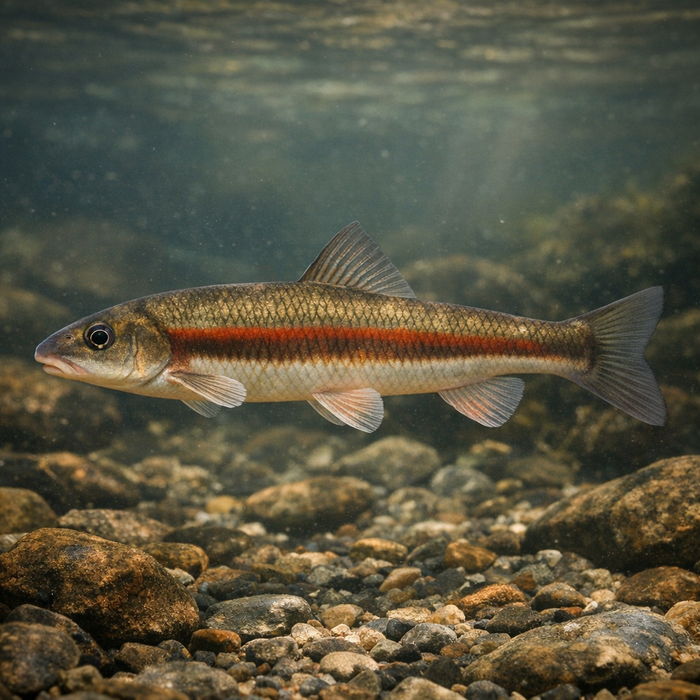
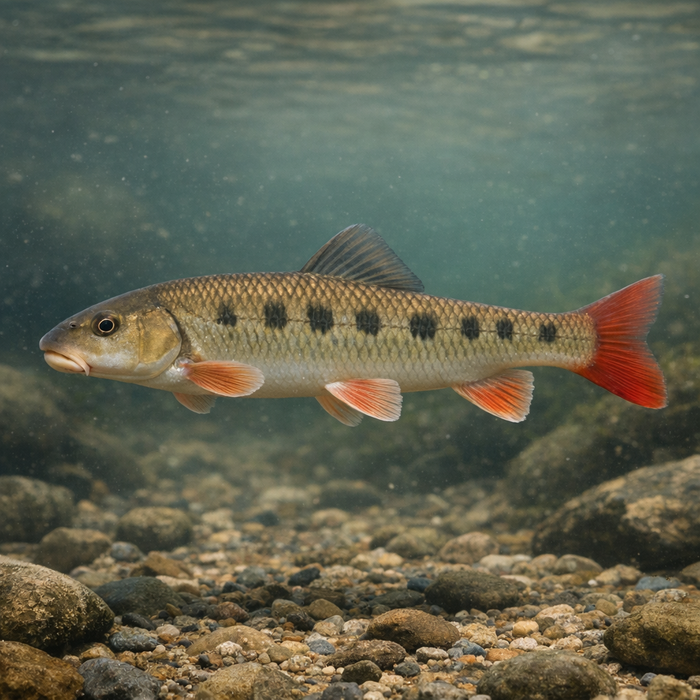
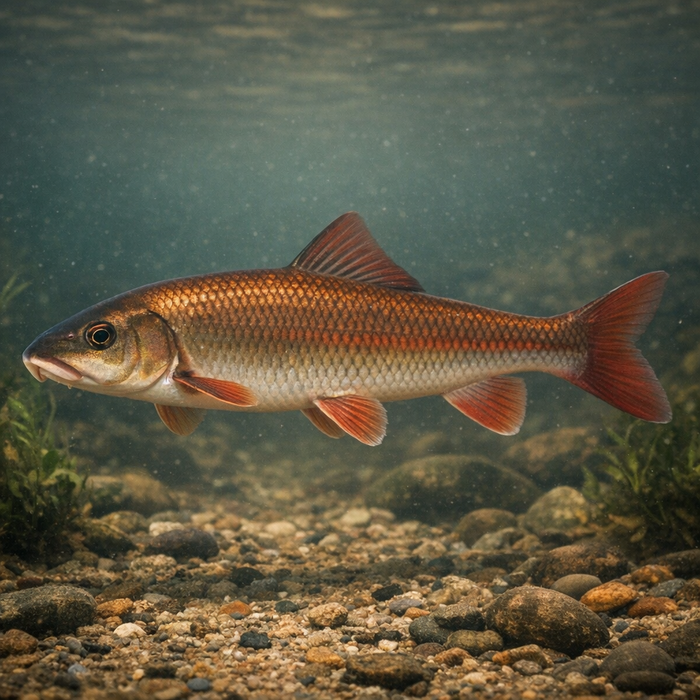
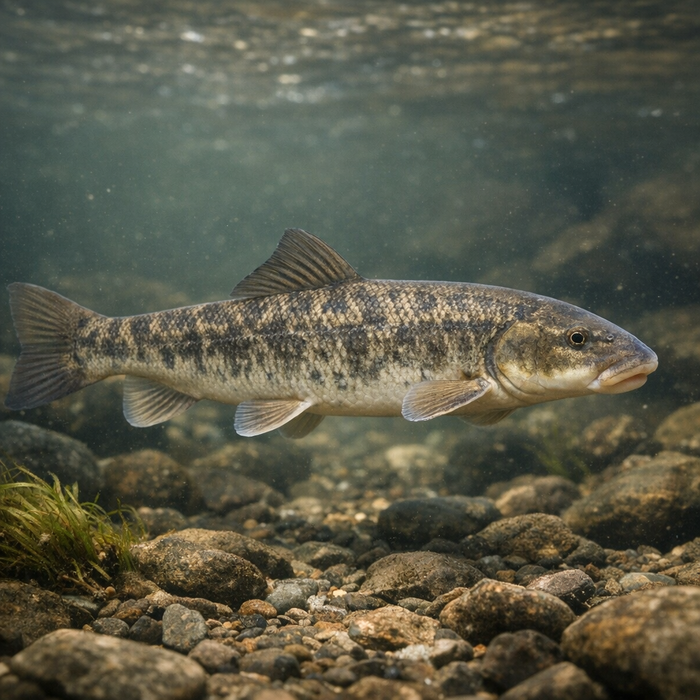
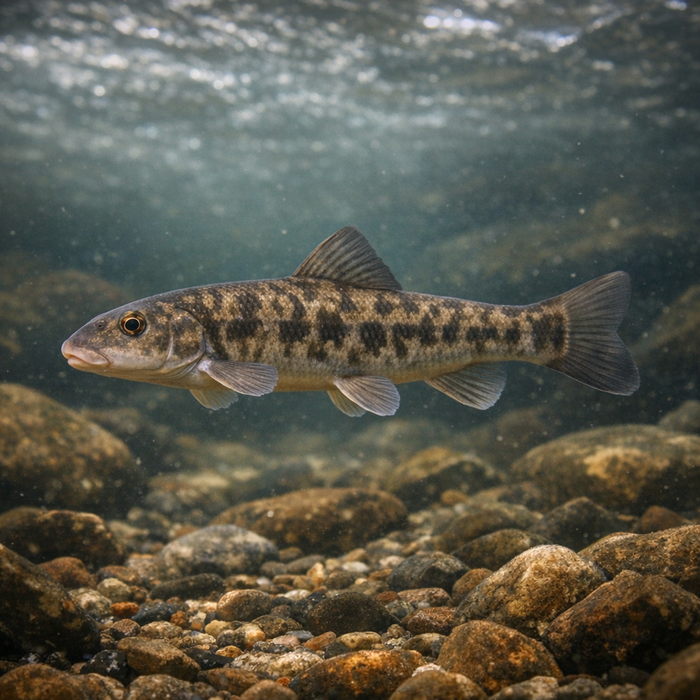
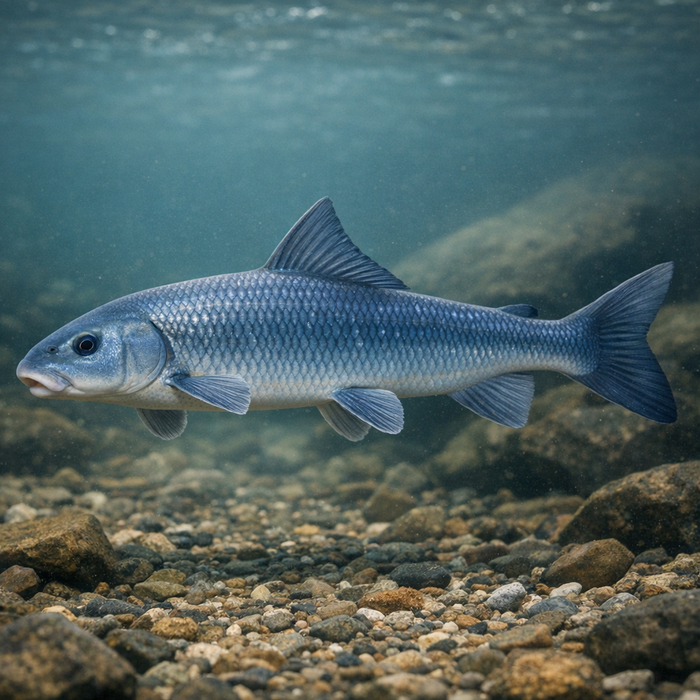
Gray Redhorse (Moxostoma congestum): Texas riffle vacuum with unexpected swaggerIntroductionThe gray redhorse is the freshwater equivalent of a quiet assassin: subtle colors, soft take, and a habit of appearing exactly where the current stacks life on the bottom. You won't mistake it for a bass, but if you like technical, sight-based river fishing, this sucker will absolutely hook you. Understated looks, buttery smooth power, and a mouth built to hoover gravel make the gray redhorse a cult favorite among rough-fish fanatics who actually pay attention to what happens below the riffle's chatter.What Makes the Gray redhorse Unique?Two things jump out the moment you line up a gray redhorse in clear water. First, the color scheme is all business: slate-gray tail and dusky fins instead of the fiery red tones other redhorses flash. Second, that mouth. It swings down and forward like a tiny piston, bristling with folds that vacuum mayflies, caddis, and snails from between pebbles. Add in surprisingly selective feeding behavior and you've got a fish that rewards precise drifts far more than flashy lures. The species also plays the Texas card; this is a Gulf-slope river fish through and through, wired for current and clean gravel.Habitat & Global RangeThink warm, clear to lightly turbid rivers with honest current. The gray redhorse thrives in riffles and brisk runs over gravel and small cobble, then slides into deeper glides when the sun climbs. It's a regional specialist, centered in Texas Gulf-slope drainages such as the Brazos, Colorado, Guadalupe, San Antonio, and Nueces systems. You'll also bump into them below dams where oxygenated flows mimic natural riffles. If you're scouting prime Gray redhorse habitat, find the seams where waist-deep current rips over a rock garden and loosens the buffet hiding underneath.Behavior & TemperamentThis fish is all about the bottom. Head down, tail up, small kicks of the caudal fin, and an occasional puff of silt as it vacuums tiny invertebrates no one else bothers with. Gray redhorse often travel in small, loosely organized pods, then settle into deeper lanes when they're not feeding. Spring triggers a mood swing; males grow rasping breeding tubercles and crowd onto clean gravel to spawn during elevated flows. They're not brawlers like carp, but on light line a good fish throbs steadily and uses the current like it owns it. Spooky? Absolutely. Footsteps on a shallow shoal can end your shot fast.Ecological ImportanceGray redhorse are river janitors and nutrient shufflers. Their suction-feeding keeps gravel beds polished, freeing trapped organics and stimulating the entire riffle food web. They convert a river's tiny invertebrate wealth into mid-sized fish biomass that feeds gar, bass, catfish, and birds. Because they rely on clean, oxygenated substrate, stable gray redhorse populations often flag waters with healthier flows and less silt. In short, they're a bioindicator you can actually fish for.Conservation & Environmental PressuresOverall, the gray redhorse sits at Least Concern, but it's not bulletproof. Flow alteration from dams, chronic low flows during drought, and groundwater withdrawals can flatten riffles into sluggish, silt-choked stretches. Sand and gravel mining, bank erosion, and nutrient spikes from runoff bury the very cobble these fish need for feeding and spawning. Low-head barriers also fragment upstream access during spring pushes. The fix isn't complicated: protect flows, stabilize banks, and keep gravel beds clean. When those pieces are in place, gray redhorse numbers tend to look after themselves.The FishyAF TakeIf bass are the headliners, gray redhorse are the backstage pros who actually make the river hum. They're overlooked, technical, and perfect for anglers who appreciate stealth, current reading, and pin-point drifts. You can call them rough fish if you want. We call them riffle gold. Bring light tackle, respect the river, and enjoy a masterclass in subtlety. For anglers chasing Gray redhorse facts or scouting new Gray redhorse habitat, the secret isn't a secret at all: find clean gravel, moving water, and keep your presentation honest. The fish will do the rest.