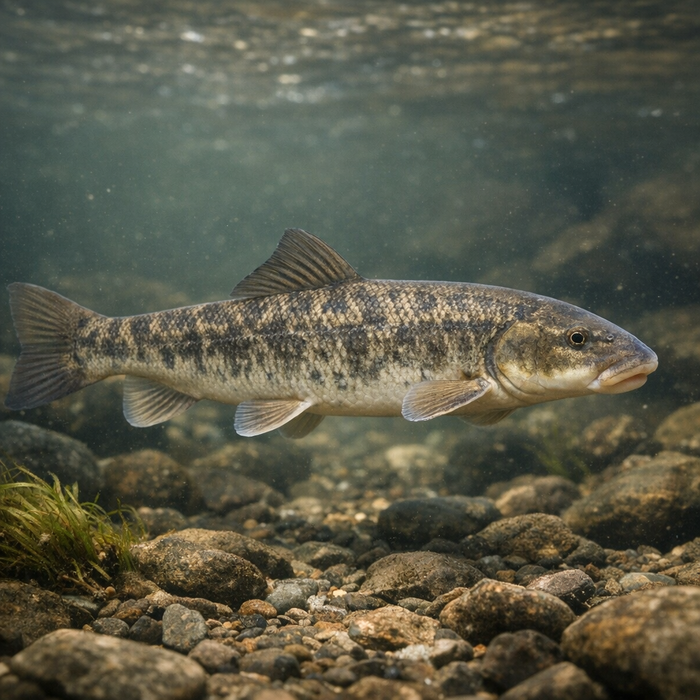
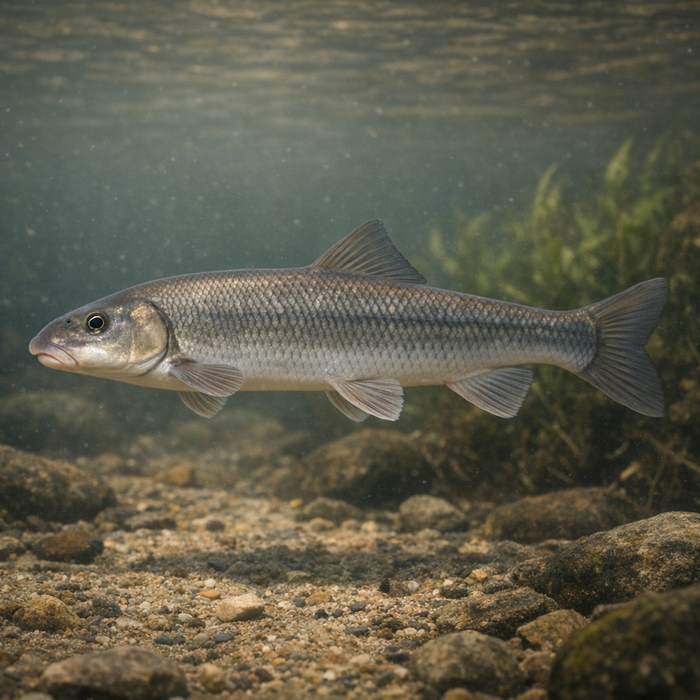
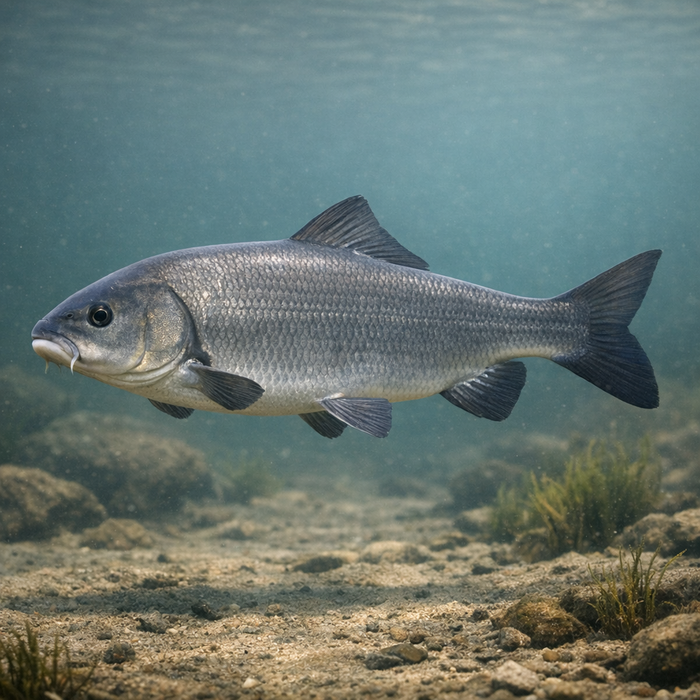
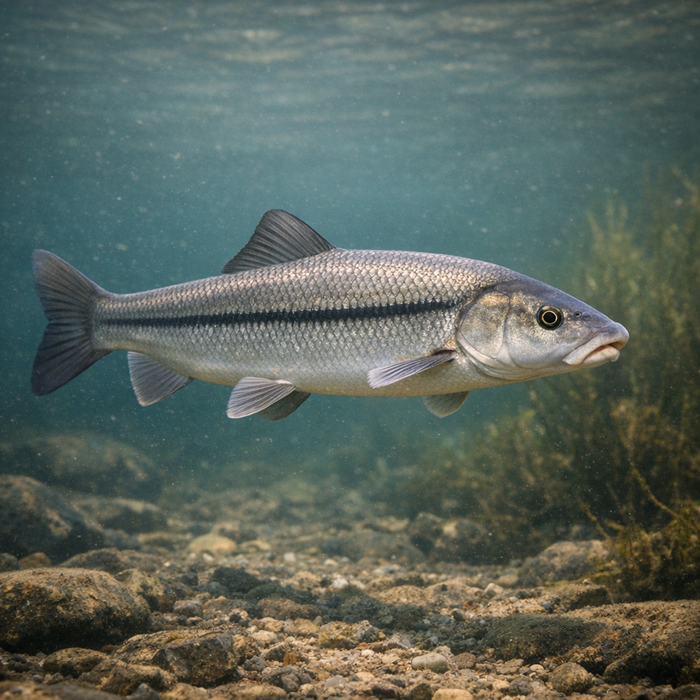
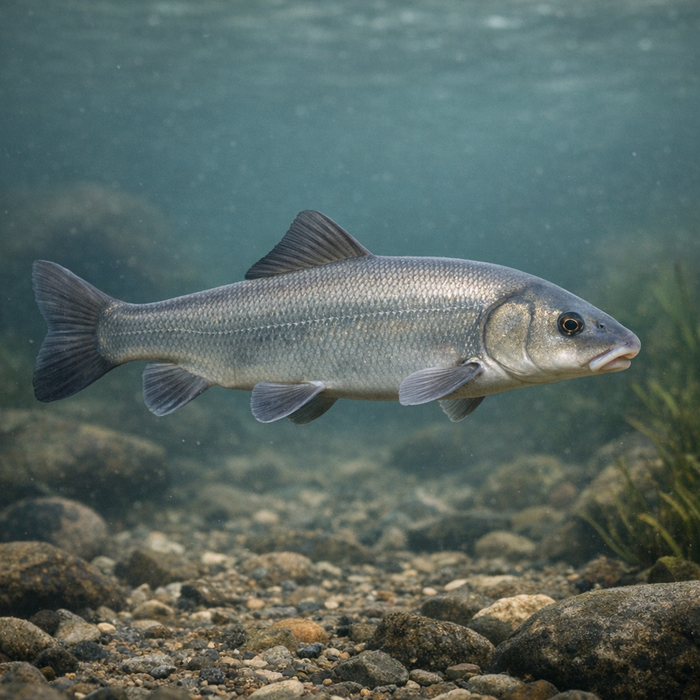
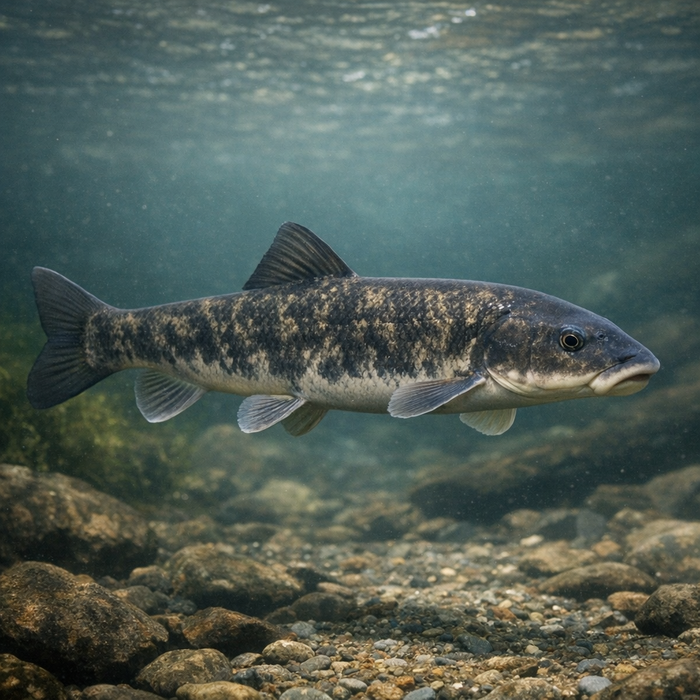
Tahoe Sucker (Catostomus tahoensis): The stealthy alpine vacuum you didn't know you wanted to catch.IntroductionIf your idea of fun is fooling a wary, bronze torpedo in crystal water where every mistake shows, the Tahoe sucker is your huckleberry. This isn't a hype-fueled gamefish. It's a native, hard-to-fool grazer living in postcard lakes and snowmelt rivers. Nail the drift, and you'll earn a subtle take, a gritty dogfight, and a new respect for a fish that quietly owns the bottom. Consider this your dose of real Tahoe sucker facts without the fluff.What Makes the Tahoe sucker Unique?Two things jump out. First, that mouth. It's perfectly engineered for vacuuming bugs and biofilm off gravel, with fleshy lips and serious suction. Present something right on the deck, and it's yours; get lazy and it ghosts you. Second, this fish is tailor-made for ultra-clear water. The Tahoe sucker has camo dialed in: bronze to olive backs, clean pale bellies, and a knack for blending with cobble. Add springtime breeding tubercles on males and you've got a fish that looks sharp, stands up to current, and thrives where visibility exposes everything.Habitat & Global RangeThis is a Great Basin specialist, locked into cold, clean lakes and their tributaries. Think high elevation, snow-fed flows, and rocky shorelines with gravel to fist-sized stones. The classic Tahoe sucker habitat recipe is simple: oxygenated water, firm substrate, and enough current or wind to keep the table set with drifting nymphs and detritus. In lakes, they cruise the littoral zone from knee-deep shallows down to moderate depths, sliding deeper in bright sun or summer heat. When snowmelt kicks in, they stage along lake margins, then push upstream to spawn over clean gravel where riffles churn.Behavior & TemperamentThe Tahoe sucker is not reckless. It feeds methodically on or near bottom, rarely blasting the surface. In current, it works seams and tailouts like a metronome, scooping groceries without wasting energy. In lakes, it cruises edges in quiet little squads, often tipping down like a carp for a second and moving on. Takes are subtle. The fight isn't blistering, but it's stubborn; expect steady runs and headshakes that feel heavier than the scale suggests. Clear water magnifies their caution, so stealth, light line, and natural drifts are the whole game.Ecological ImportanceAs a native grazer, the Tahoe sucker is a cleanup crew and a nutrient shuttle. It scrubs biofilm, munches benthic invertebrates, and moves energy from the bottom upward. During spring runs, eggs and milt become a buffet for other species, from trout to minnows, juicing the food web at a critical time. Healthy sucker populations are essentially a signpost: clean substrate, oxygenated water, and functioning migrations. Ignore them, and you miss a huge piece of alpine-lake stability.Conservation & Environmental PressuresOverall, the species holds its own, but it's chained to water quality and seasonal flows. Silted gravel, low spring runoff, and shoreline hardening all hurt. Add thermal stress during drought years and a few nonnative predators, and local pockets can dip fast. Because the Tahoe sucker often flies under the radar, habitat projects skew toward headline trout. That's a mistake. Protecting access to tributary spawning gravel, keeping sediment down, and maintaining cold inflows benefit suckers and the salmonids everyone brags about.The FishyAF TakeUnderestimate this fish and you'll blank in plain sight. The Tahoe sucker rewards anglers who read current, trust tiny offerings, and think like a bottom-feeder. It's visual, technical, and honest. Want a challenge in glass-clear water that forces you to tighten your presentation game? Chase a native that's been here long before the ski lifts. Stack these Tahoe sucker facts with a little on-the-water humility, and you'll start seeing bronze shadows where you used to see "nothing." That's when the fun begins.