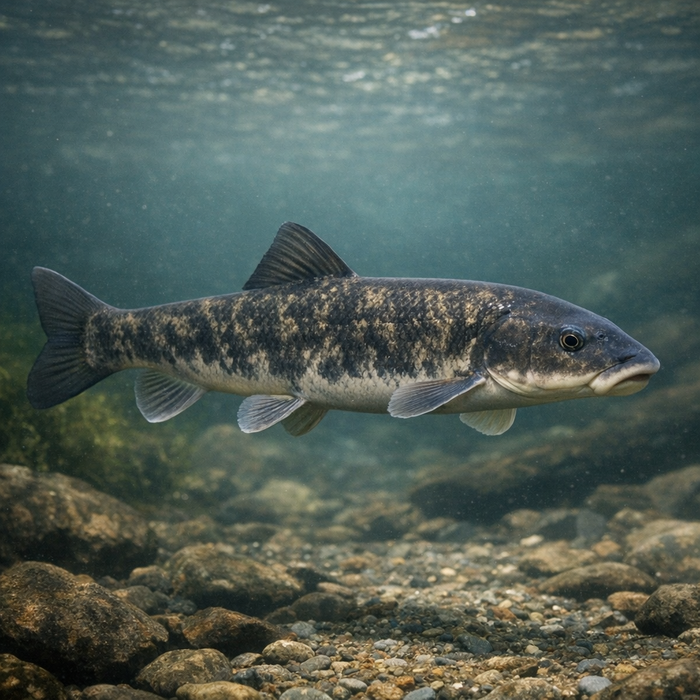
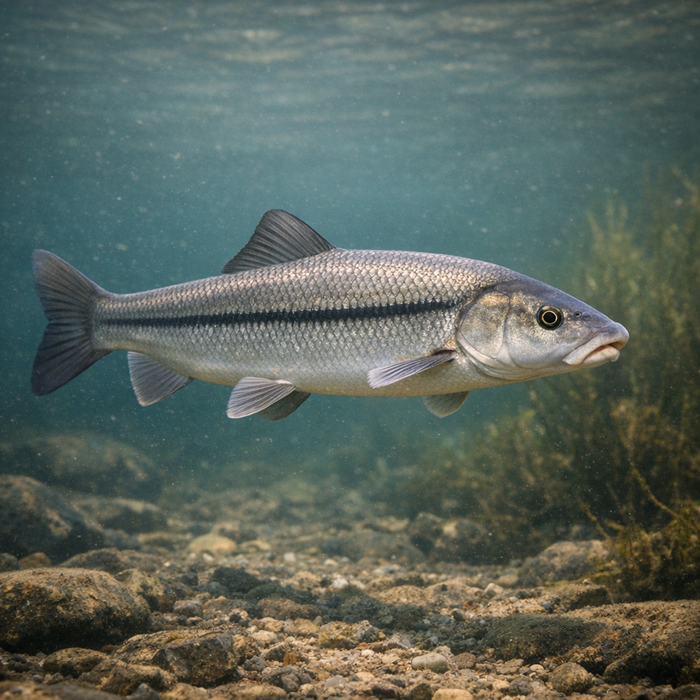
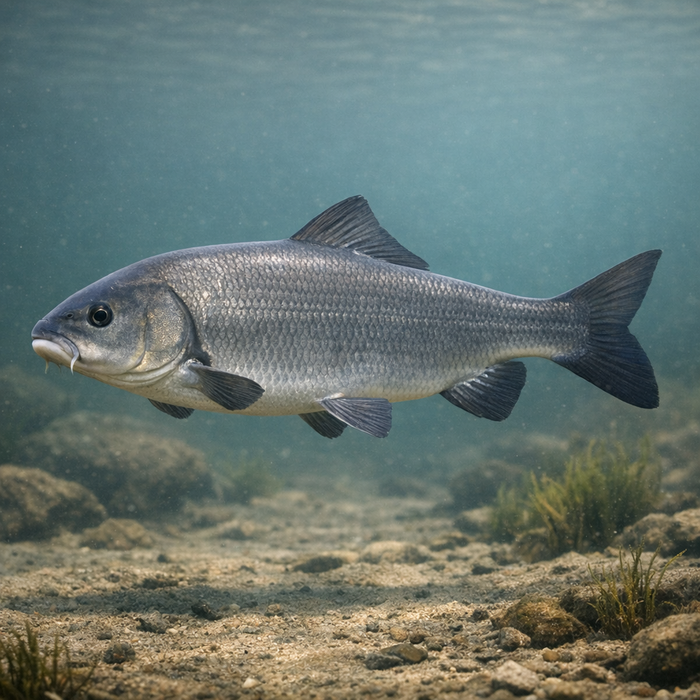
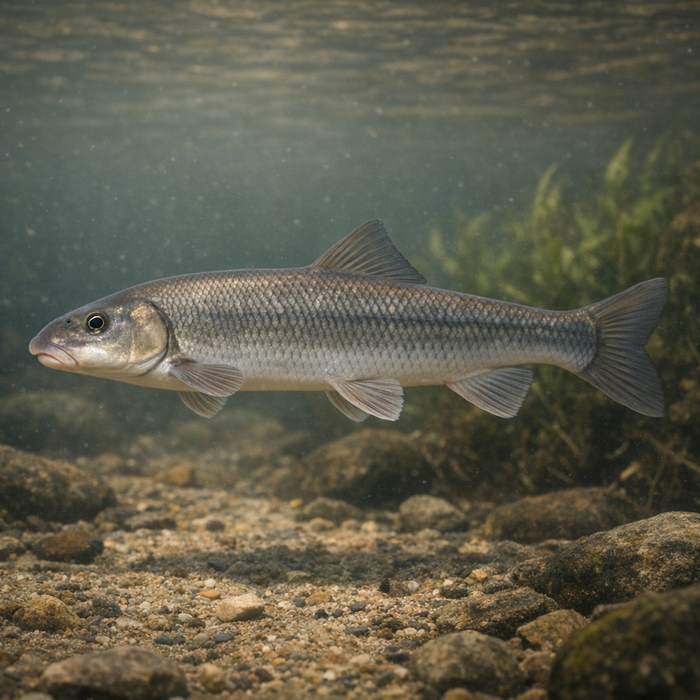
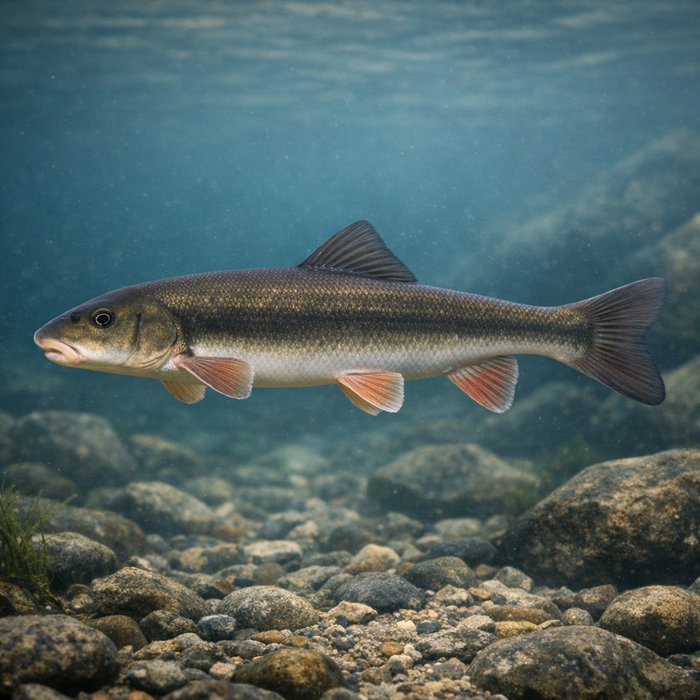
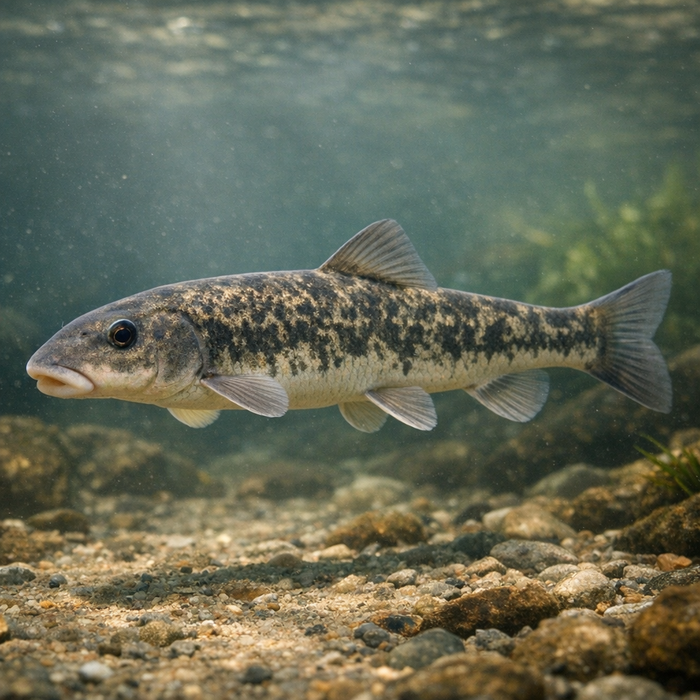
Shortnose Sucker (Chasmistes brevirostris): Endangered native rough fish with surprising grit and a cult of quiet admirersIntroductionThe shortnose sucker is the opposite of flashy. It doesn't tail-walk, it won't melt your drag, and it rarely hogs headlines. Yet in the Upper Klamath Basin, this fish is a survivor with decades-long lifespans, a stubborn streak for spring migrations, and a conservation story that matters. If you came here for Shortnose sucker facts without the yawns, you're in the right place. This is a fish built for harsh, alkaline lakes where delicate species bail out. The shortnose sucker endures.What Makes the Shortnose sucker Unique?First, anatomy. It's a sucker that breaks the mold, with a stubby snout and a more forward mouth than its cousins, giving it a different feeding posture and look. Second, longevity. Many shortnose sucker adults outlive the average family sedan, cruising for 20 to 30 years or more. Third, endurance. Where summer blooms send oxygen plummeting and pH spiking, the shortnose sucker keeps punching, using physiology and behavior tuned to tough water. That combination of odd build, long life, and grit sets it apart.Habitat & Global RangeThe phrase "shortnose sucker habitat" basically means the Upper Klamath Basin and connected waters in southern Oregon and far northern California. Think shallow, alkaline lakes with extensive weedbeds, shoreline springs, and adjacent rivers that pulse with spring runoff. The species orients to bays, springs, and shoals for much of the year, then runs upstream into tributaries like the Williamson and Sprague rivers to spawn when flows and temperatures say go. After hatching, larvae drift downstream at night, settling into nursery shallows rich with cover and plankton. Range-wise, this isn't a globe-trotter. It's a local specialist with a stubborn zip code.Behavior & TemperamentThe shortnose sucker is methodical. It feeds deliberately along bottom or slightly off it, sifting invertebrates and organic material with the efficiency of a vacuum on low power. Schooling can be loose and seasonal, tightening around the spawn. Strikes aren't smashy; takes feel like taps, nudges, or just weight. In clear, shallow water it's wary, especially under bright skies. But give it stain, weedlines, or the shadow of a spring, and it relaxes into steady routines that last hours rather than minutes. It's not flashy, it's dependable.Ecological ImportanceCall it a keystone rough fish. The shortnose sucker moves energy from benthic life into larger predators, shapes plankton and invertebrate communities, and ferries nutrients between lakes and rivers during its migrations. It also occupies the cultural center of gravity for local Tribes, where seasonal runs historically supported ceremonies and subsistence. Remove a long-lived omnivore like this, and the system doesn't just lose a fish. It loses a stabilizer that helps make chaotic lakes a bit more predictable.Conservation & Environmental PressuresHere's the hard part. The shortnose sucker is federally listed as Endangered. Main stressors include poor water quality tied to nutrient loading and algal blooms, altered hydrology, barriers to migration, entrainment into irrigation systems, introduced competitors and predators, and variable recruitment when larval survival tanks. Some years produce good young-of-year; too many do not. Restoration targets springs, passage, water quality, and nursery habitat. Progress is measured in decades, not seasons, which fits a fish built for the long game.The FishyAF TakeThe shortnose sucker will never be poster-child sporty, but it absolutely deserves respect. It's the quiet grinder of the basin: old, tough, and tuned to a lake most species can't stand. If you want fireworks, chase steelhead. If you want substance, learn this fish's rhythms and roots. Shortnose sucker habitat is a test lab for resilience, and this species keeps passing. Anglers who appreciate the full cast of native characters know: without the shortnose sucker, the Upper Klamath story falls flat.