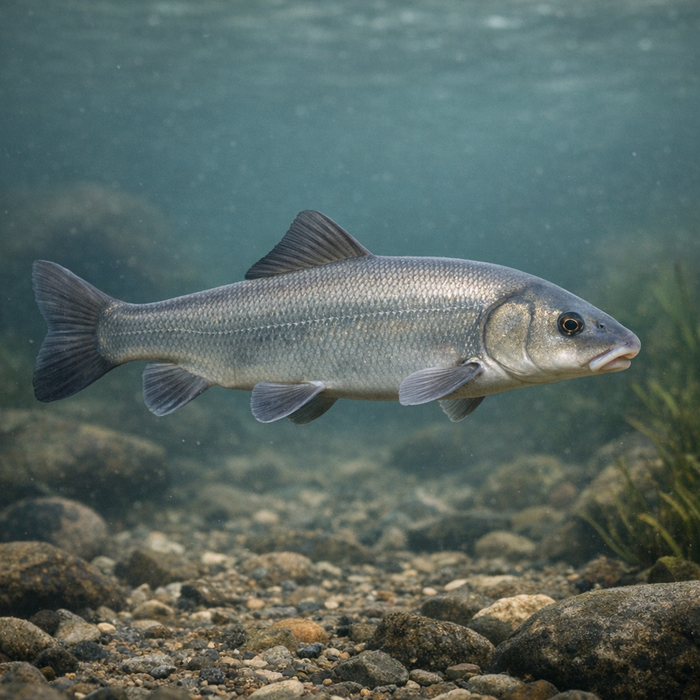
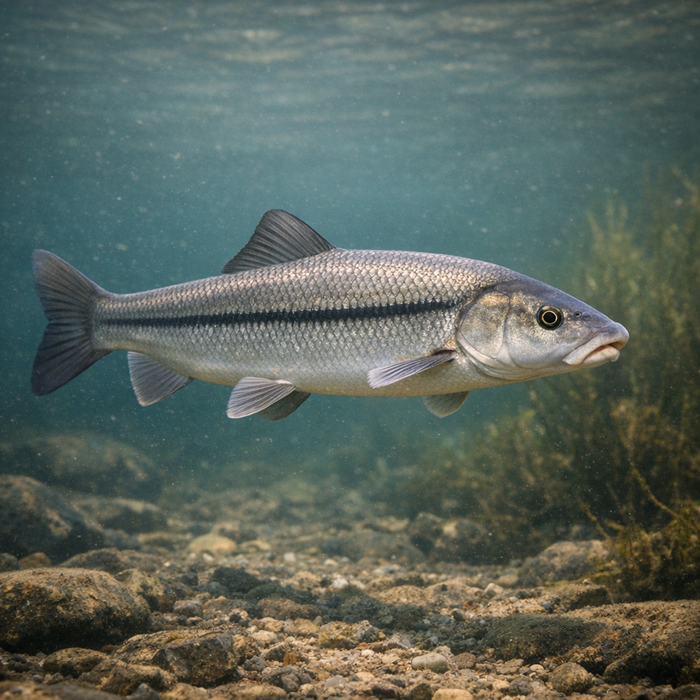
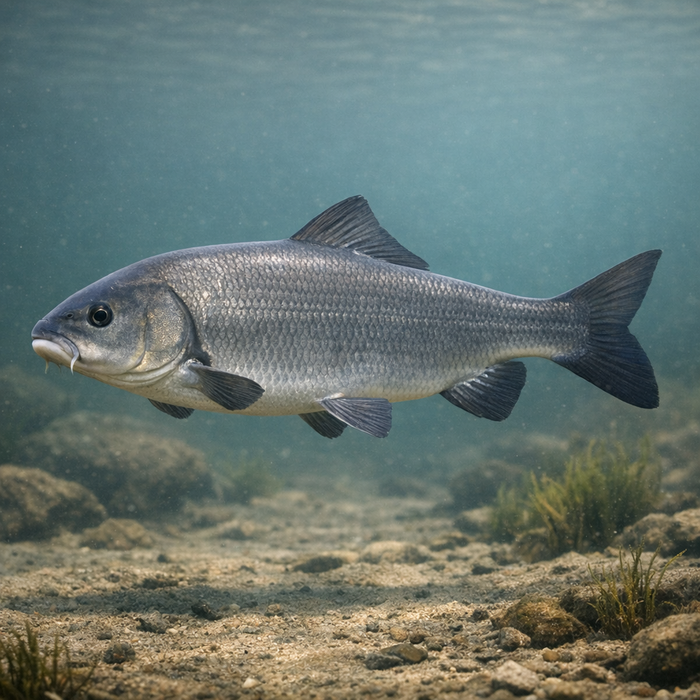
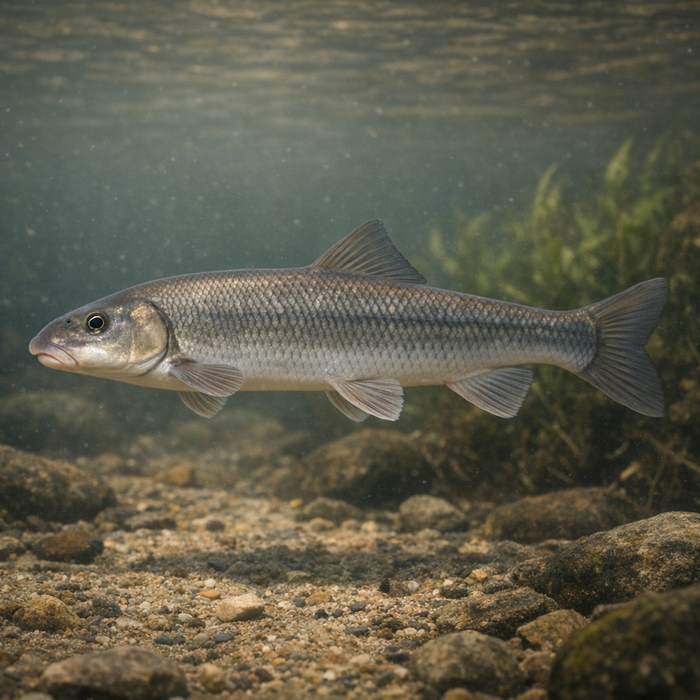
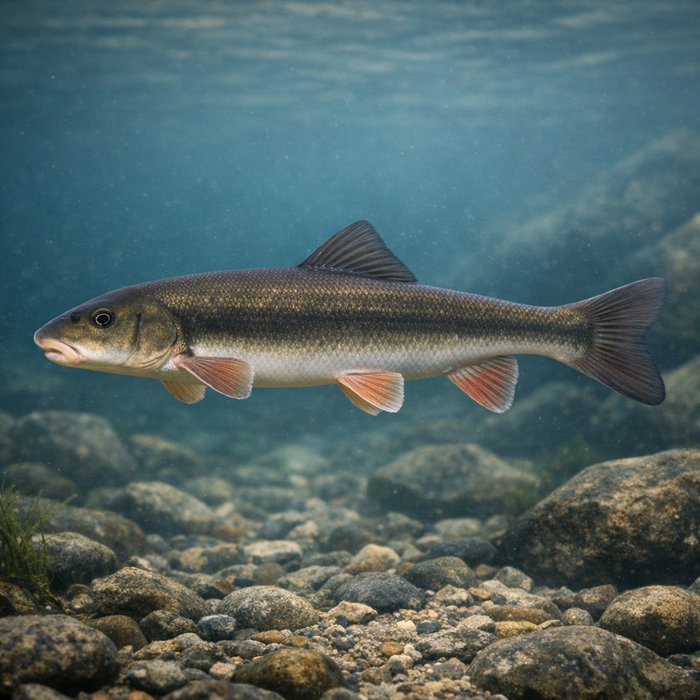
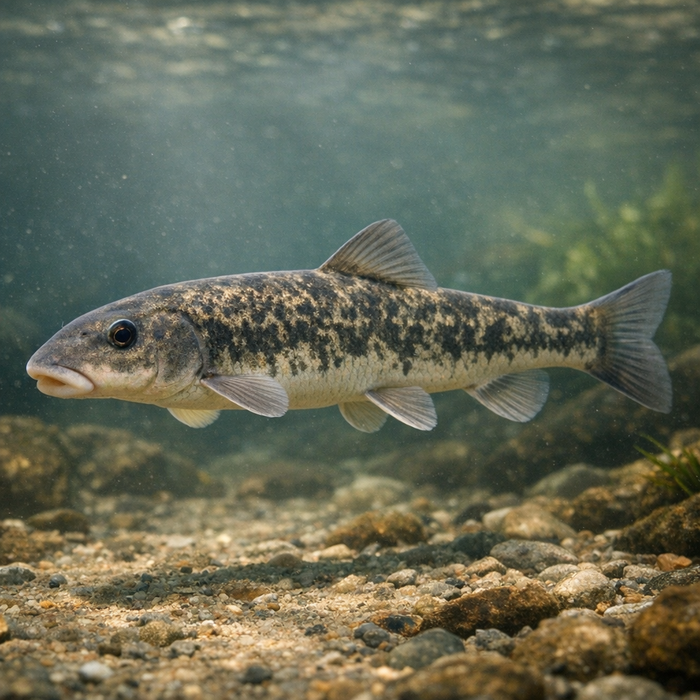
Tyee Sucker (Catostomus tsiltcoosensis): A Bold, Memorable Hook LineIntroductionThe tyee sucker is the undercover local in Oregon's dune-lake scene. Not flashy. Not famous. But if you like wild natives with a tight home address and weirdly loyal fans, this little bottom grazer punches above its weight. Anglers stumble into them while chasing trout or bass, then realize they've connected with a fish almost nobody outside the coast knows by name. Consider this your quick, honest download of Tyee sucker facts without the sleepy textbook vibe.What Makes the Tyee sucker Unique?First, it's hyper-local. The tyee sucker, Catostomus tsiltcoosensis, appears to be confined to just a handful of coastal lake systems in Oregon. That range-limited lifestyle means this fish evolved quirks to handle tannin-stained water, sand and silt bottoms, and moody rainfall cycles. Second, it's a specialist feeder. Those thick, papillose lips vacuum tiny invertebrates from soft substrates like a shop vac in slow motion. Third, it keeps a low profile. You won't see splashy blitzes; you'll see subtle puffs of silt, a methodical tilt, and a fish that's more about precision than panic.Habitat & Global RangeForget globe-trotting. The tyee sucker plays home games. Think coastal dune lakes and their quiet creeks, outflows, and sloughs. Water here often runs tea-colored from forest tannins, with sandy deltas, reed beds, and low-gradient channels that swell and shrink with seasonal rain. If you're mapping "Tyee sucker habitat," draw a small circle on Oregon's coast and zoom in. That's the show. These fish prefer the softer side of freshwater structure: silty flats, marshy margins, and the gentle transitions where lake becomes creek. After winter rains raise the water, fish may slide shallow; during low water, they drop to calmer lake edges and slow, deeper runs.Behavior & TemperamentThe tyee sucker is a grazer and a planner. It patrols the bottom in small groups or loose schools, nudging along like a connoisseur scanning a buffet. Spawning cues ride spring freshets; fish stage near slough mouths and reed edges, then push into tiny tributaries when flow and temperature align. They aren't aggressive strikers by sportfish standards, but they're not pushovers either. When hooked, expect a cranky, dogged run and heavy head shakes aimed at weeds and soft snags. Surface action is rare. Feeding windows stretch longest at dawn, dusk, and during weather changes that bump current or stir bottom life.Ecological ImportanceAs benthic foragers, tyee suckers stir and sift sediments, recycling nutrients and shuttling energy from invertebrates up the food web. They're reliable prey for larger predators as juveniles, but as adults they fill the vacuum-cleaner niche in quiet waters that would otherwise crust over with detritus. Their picky relationship with flow, substrate, and water quality makes them a living sensor for coastal lake health. When the tyee sucker is thriving, a lot of subtle processes are working right.Conservation & Environmental PressuresRange-limited natives carry built-in risk. Habitat fragmentation, altered flows, culverts that block tiny upstream pushes, shoreline development, and warming summers all squeeze this fish. Add in invasive species and nutrient swings and you get the usual coastal-lake tug-of-war. Because the tyee sucker isn't a mainstream target, data can be thin. That's a double-edged sword: less harvest pressure, but less attention. Anglers can help by practicing gentle release, skipping fragile spawning trickles, and reporting notable catches to local biologists when appropriate.The FishyAF TakeWe love the tyee sucker for what it represents: a stubborn little original that never left home. If you're chasing bragging rights, look elsewhere. If you want to understand a fishery from the mud up, this is your professor. The tyee sucker asks you to slow down, read soft edges, and appreciate subtlety. The catch won't blow up your feed, but the story will stick. Sometimes the rarest trophy is simply knowing exactly where a wild native still minds its business beneath a tea-colored ripple.