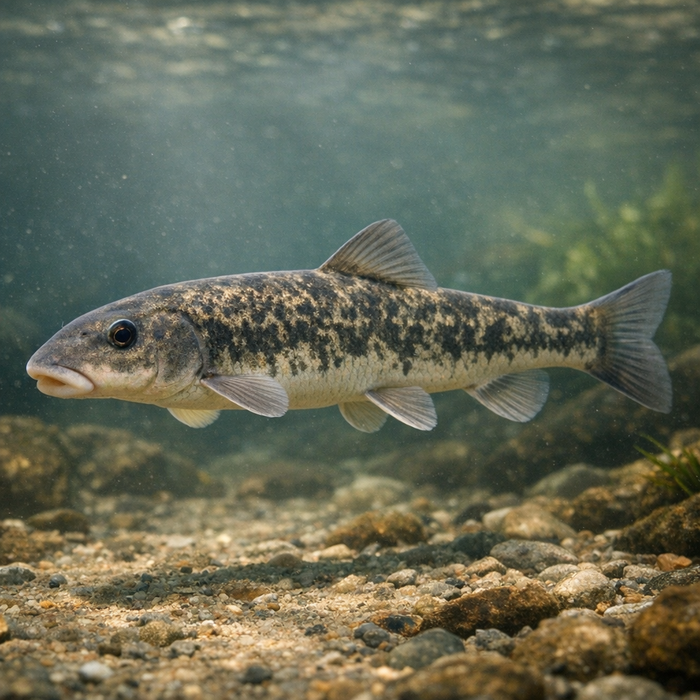
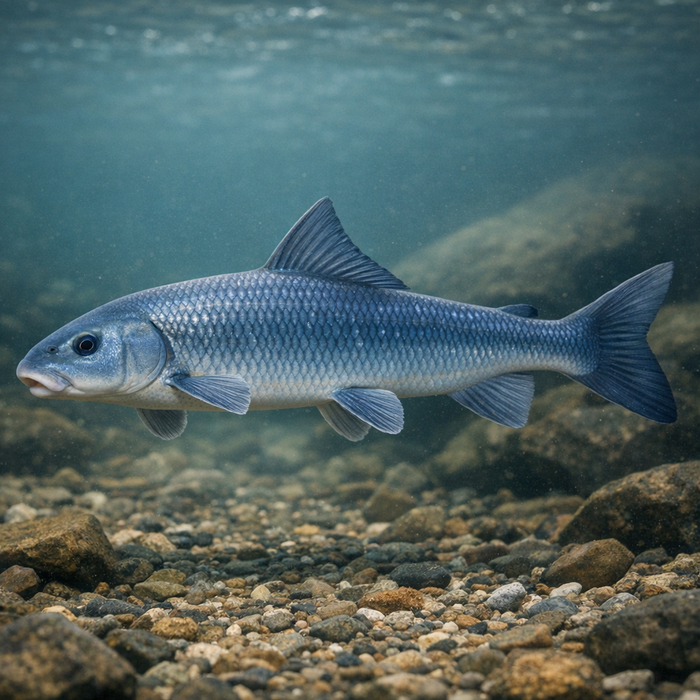
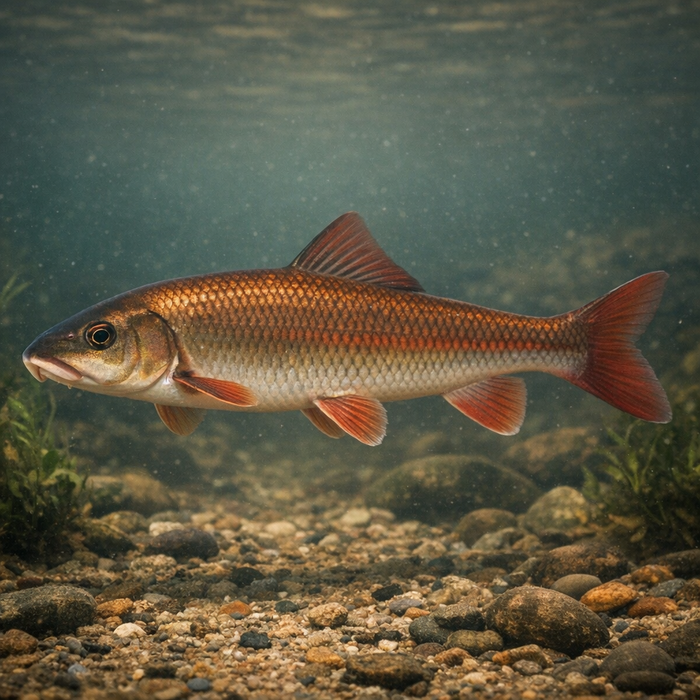
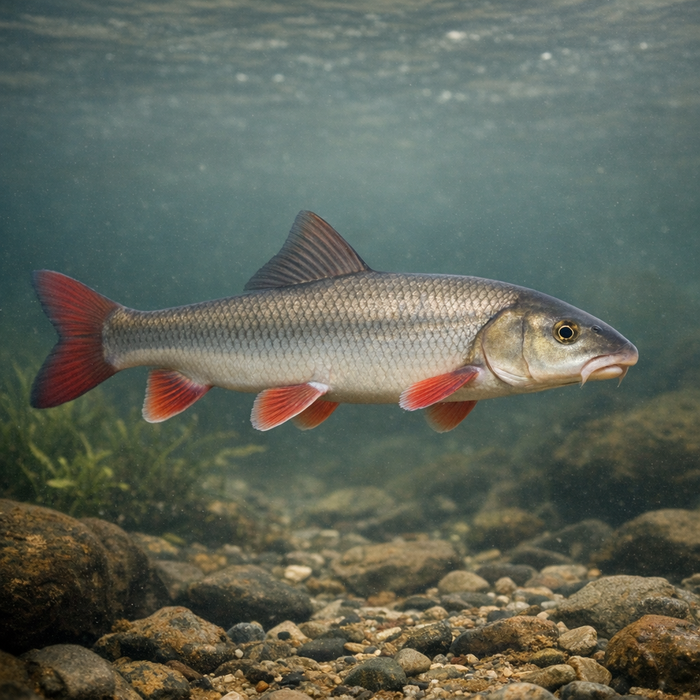
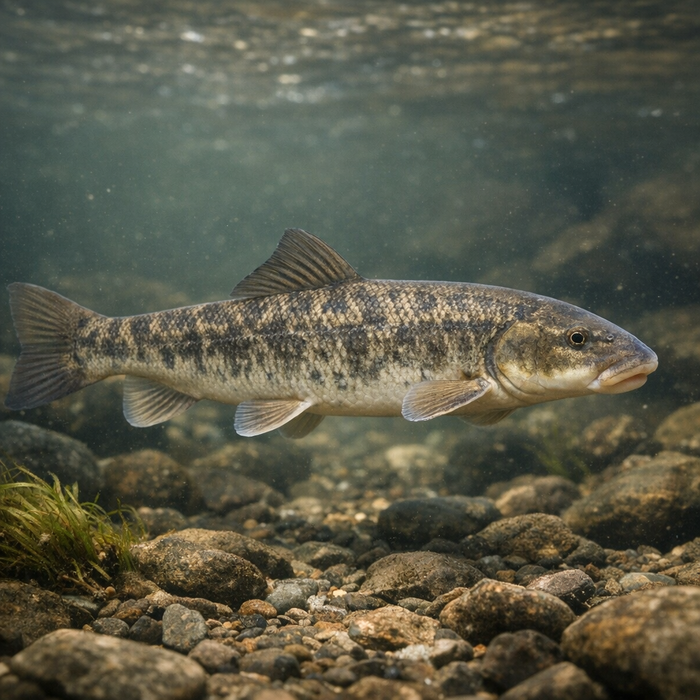
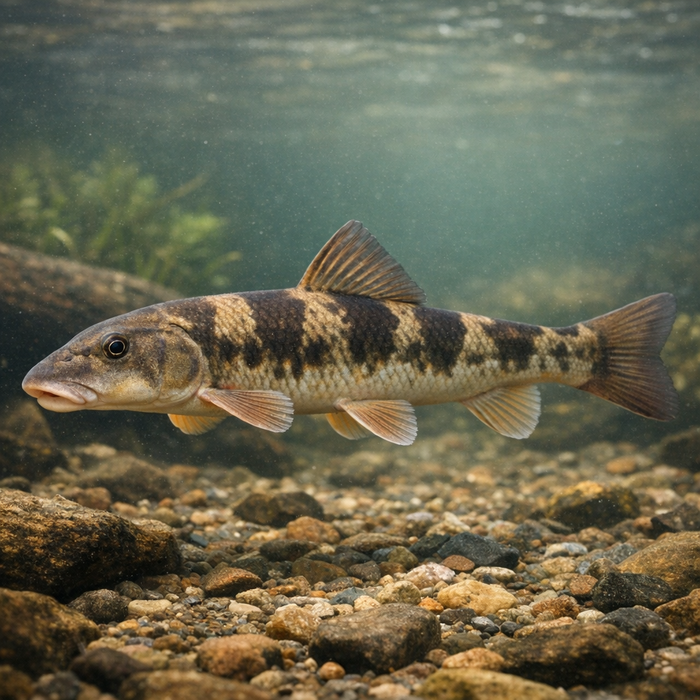
Sicklefin Redhorse (Moxostoma ugidatli): A Bold, Memorable Hook LineIntroductionThe sicklefin redhorse might be the most famous fish you have never actually seen. It slips along Southern Appalachian shoals like a copper-trimmed ghost, rarely noticed by bass chasers and only recently recognized by science. If you like clean water, obscure targets, and fish that reward stealth more than swagger, the sicklefin redhorse is your kind of rabbit hole.What Makes the Sicklefin redhorse Unique?Start with the namesake hardware: that towering, arcing dorsal fin that looks like a scythe raised against the current. It is a dead giveaway on a fish built for bottom work. Add the backstory. For decades, biologists and anglers suspected a distinct redhorse was haunting North Carolina, Tennessee, and Georgia waters. DNA and morphology finally sealed it, and in 2014 the species was formally described as Moxostoma ugidatli. Culturally, it is a conservation touchstone, tied to Cherokee language and regional efforts that helped keep it off the Endangered Species Act while still commanding serious protection.Habitat & Global RangeThis one is no globe-trotter. The sicklefin redhorse is an Appalachian specialist tucked into the Little Tennessee and Hiwassee River systems and a few connected tributaries. Think clear, cool to moderate temperatures, firm gravel or cobble, and oxygen-rich flows. The fish rides seams and runs, then stages and spawns on shallow shoals when spring temperatures climb. If you are collecting Sicklefin redhorse habitat intel, lock in on those cobble shoals. They are not everywhere, and that scarcity is why the fish stays local and hard to encounter.Behavior & TemperamentThe sicklefin is not a brawler like a smallmouth or a carp with turbo. It is a methodical bottom feeder that vacuums insect larvae, crustaceans, and bits of organic matter. Aggression is low, but wariness is high. Approach wrong and the entire shoal ghosts out. During the spawn, groups gather and kick up clouds of silt as males press and jostle for position alongside ripe females. Outside of that window, they cruise deliberately along the bottom, often in loose company but not tight schools. Hook one, and expect a determined bulldogging fight punctuated by sullen headshakes.Ecological ImportanceIf you want Sicklefin redhorse facts that matter to rivers, here is the headline: this fish is a clean-water validator. Spawning needs silt-free, well-oxygenated gravel. Foraging turns stones and mobilizes nutrients, feeding the drift for other creatures. Lose the cobble and the flow, and you lose the next generation. Keep them, and the entire community of darters, mayflies, and other redhorses benefits. It is a bottom dweller with top-tier indicator value.Conservation & Environmental PressuresThe species lives in a small neighborhood. That is both romantic and risky. Dams alter flows and block migrations to historic shoals. Fine sediment from construction and careless runoff pads the gravel like a blanket, smothering eggs. Genetic mixing with other redhorses can also blur the lines in altered systems. State agencies, tribes, and partners have leaned in with habitat work, flow agreements, and outreach. While many jurisdictions list it as a species of concern with strict harvest rules, the best protection remains simple: keep those rivers clear, cool, and moving.The FishyAF TakeThe sicklefin redhorse is the anti-hype fish that still feels epic when you finally line one up. It demands patience, quiet feet, and a light touch. It is also a great reminder that worthy targets are not always toothy or famous. You are not out there to rack a record. You are out there to spot a dark arc over bright gravel, read the current like a map, and slide a tiny morsel right into the zone. That moment when the line comes tight on a fish nearly lost to anonymity is why we fish. Chalk one up for subtlety, and tip your hat to a very Appalachian original.