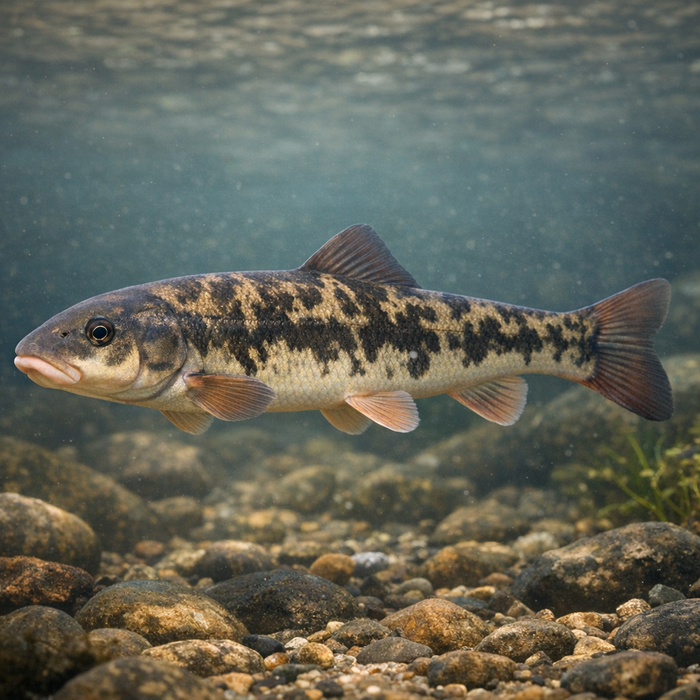
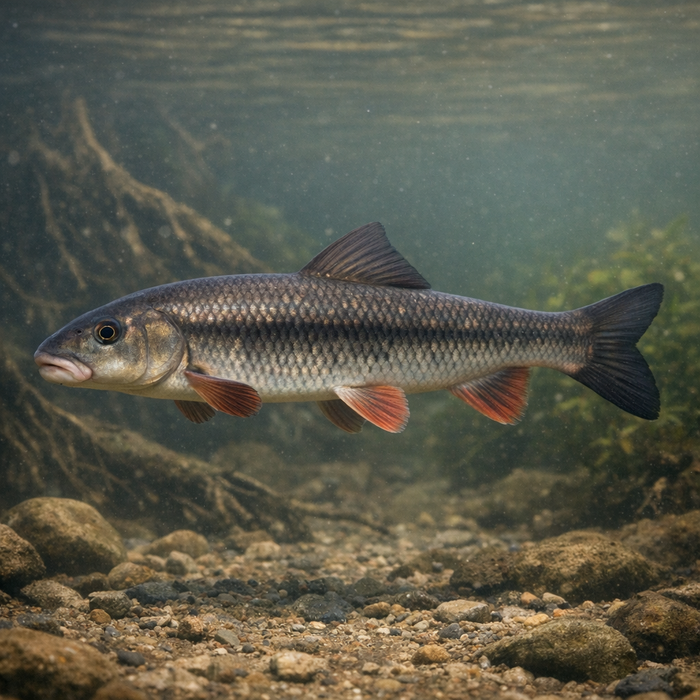
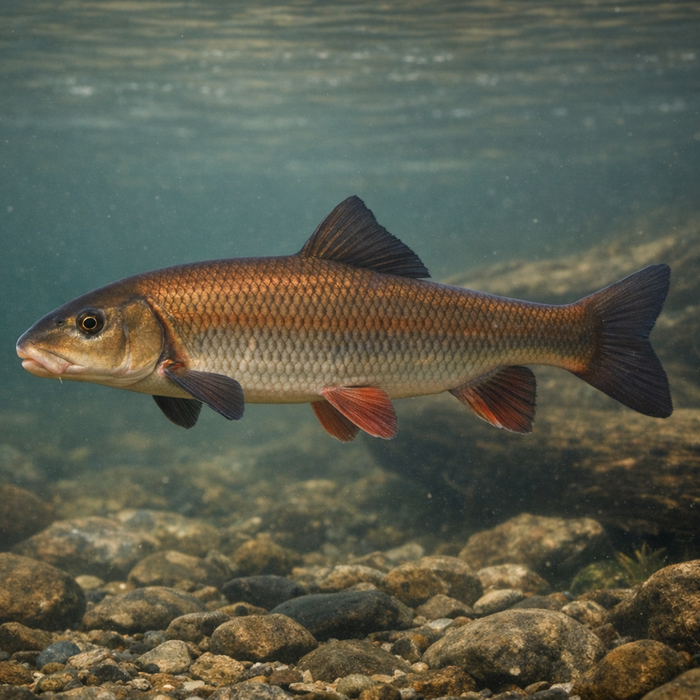
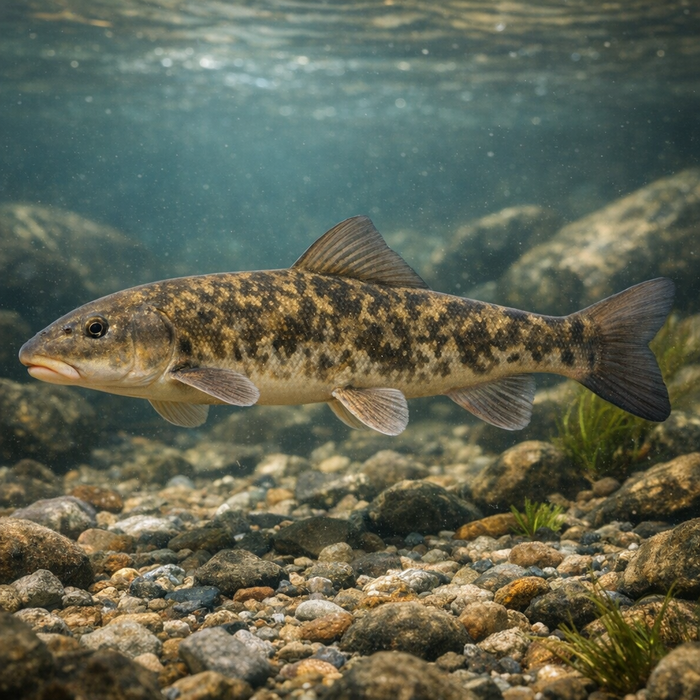
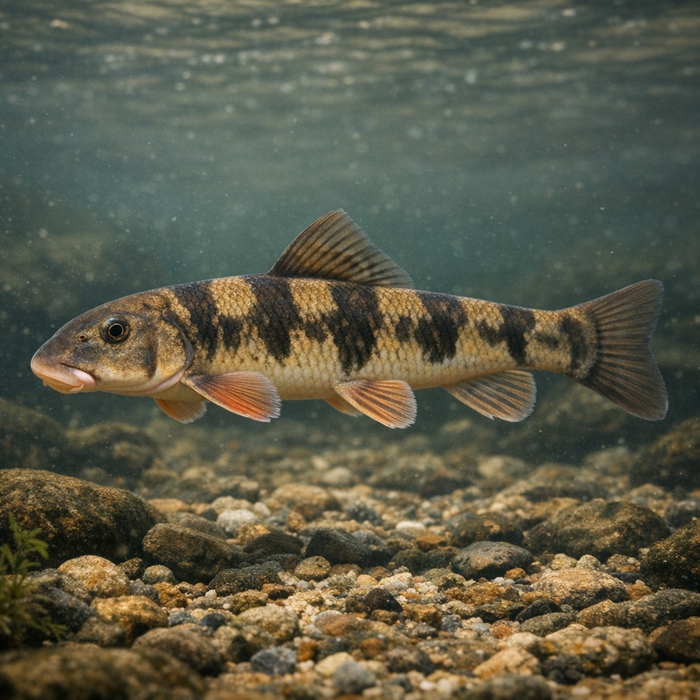
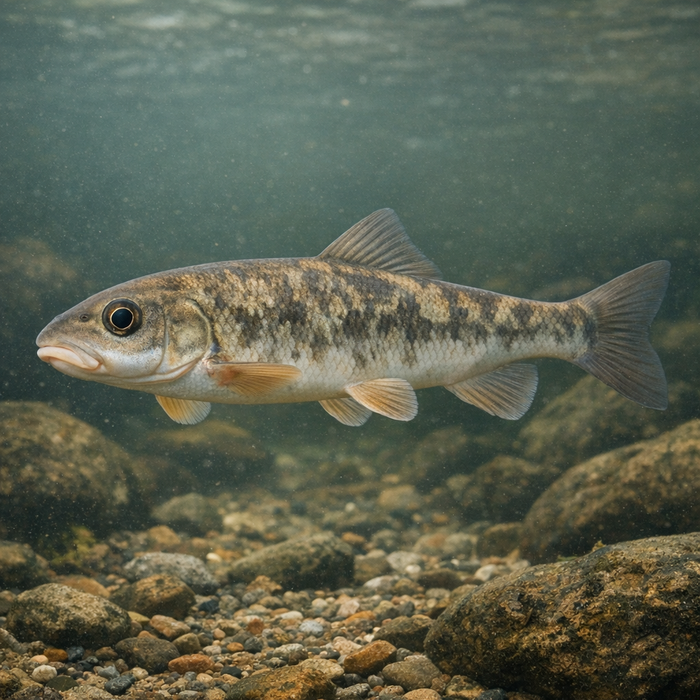
Smallfin Redhorse (Moxostoma robustum): A Bold, Memorable Hook LineIntroductionBig lips, small fins, and a comeback story for the ages. The smallfin redhorse disappeared from science for 122 years, then showed up like a river ghost in Georgia. For anglers, it's a native sucker with surprising heft, a clean-water meter, and a knack for pinning your rig to the bottom. If you're into overlooked natives and technical light-tackle bottom work, the smallfin redhorse rewards patience and precision.What Makes the Smallfin redhorse Unique?Two things: architecture and narrative. First, the build. The smallfin redhorse carries a stout, torpedo-meets-barrel body with a proportionally short dorsal fin, thick caudal peduncle, and vacuum lips made for flipping gravel. It's a big-bodied redhorse that can push double digits, which gets your attention the first time your "sucker" actually bends a rod. Second, the back-from-the-dead legend. After vanishing from collections since the 1800s, Moxostoma robustum was rediscovered in 1991, instantly becoming conservation royalty. Those two threads make Smallfin redhorse facts irresistible: it's both a technical target and a living restoration project.Habitat & Global RangeLet's keep it honest: this is a southeastern native with a narrow footprint. The smallfin redhorse favors Piedmont rivers with alternating riffles and pools, coarse sand and gravel, and steady, breathable current. Think Oconee, Altamaha, Ogeechee, Broad, and Pee Dee systems, plus some connected reservoirs where suitable tributaries feed clean gravel. "Smallfin redhorse habitat" usually means moderate-depth runs below shoals, tailouts above pools, and outside bends where fresh rock and oxygen meet. Bottom line: water quality and substrate matter. Silted rock is the red carpet rolled up.Behavior & TemperamentThis fish is a bottom specialist and a methodical feeder. It patrols seams and soft edges, tipping forward to vacuum insect larvae, small mussels, and other invertebrates from between stones. Expect more wariness than aggression; it spooks at clumsy shadows and heavy footfalls, but it's not uncatchable. In spring, adults move onto cleaned gravel to spawn in swift current, then drop back into adjacent runs. They're homebodies with a homing instinct, often returning to the same riffles each year. Hooked fish dig deep and bulldog; they won't sprint like a trout, but a 10-pounder on light gear is no joke.Ecological ImportanceThe smallfin redhorse is a benthic janitor and a barometer. By flipping stones and stirring sediments, it oxygenates microhabitats and mobilizes food for other critters. Its reliance on clean, coarse gravel makes it an indicator of river health. When redhorse thrive, your river's substrate and flow regime likely still function. When they don't, you're looking at the usual villains: sedimentation, altered flows, and habitat fragmentation. Keeping gravel clean helps more than this one species; it benefits an entire shoal community.Conservation & Environmental PressuresYou can't talk about the smallfin redhorse without talking about scarcity. Populations ride the knife edge between recovery and regression. Dams disrupt migrations and bury historic riffles under slackwater. Poor land practices add silt that clogs essential spawning gaps. Even well-meaning anglers misidentify fish and accidentally poach protected waters. Current management leans conservative: research, propagation, and habitat restoration shape the roadmap. That rediscovery glow is cool, but reality is maintenance mode-protect spawning riffles, keep flows honest, and educate anglers who want to target native suckers responsibly.The FishyAF TakeIf you're expecting fireworks, you're holding the wrong ticket. The smallfin redhorse is a quiet thrill-a thinking person's bottom fish with a cult following. Fishing it well is part stealth, part puzzle. You read seams, you place bait perfectly, and you don't muscle the hookset. When it loads up, you grin because you earned it. For anglers who respect native fish and technical drifts, this species is bucket-list material without the Instagram confetti. Treat it like the rare native it is: learn it, document it, and release it in top shape so the next angler can chase the same whisper of copper in moving water.