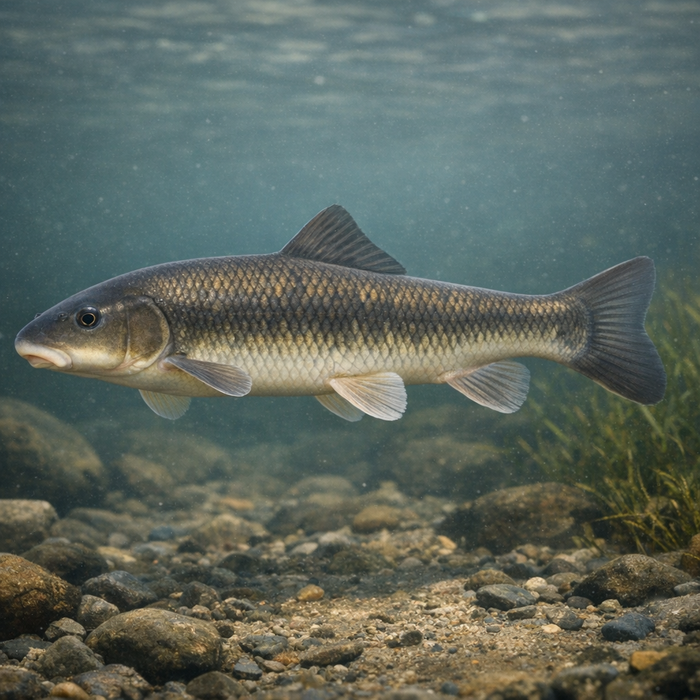
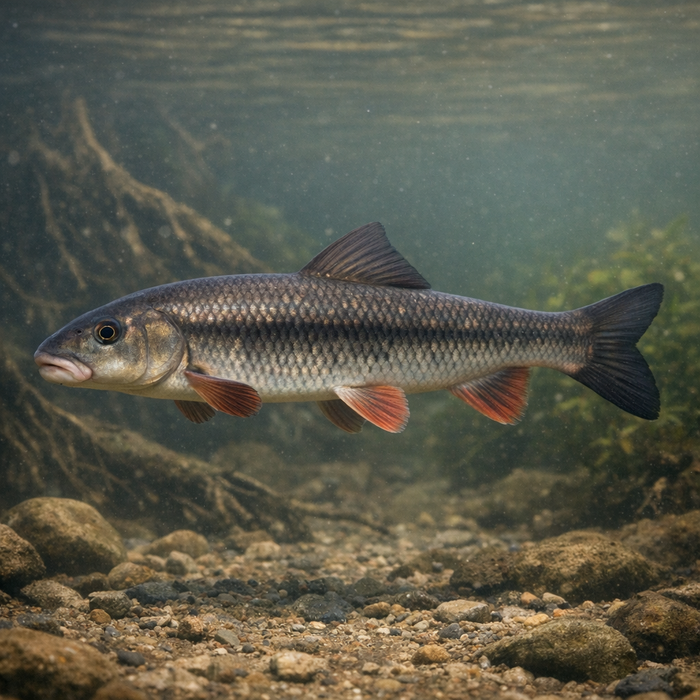
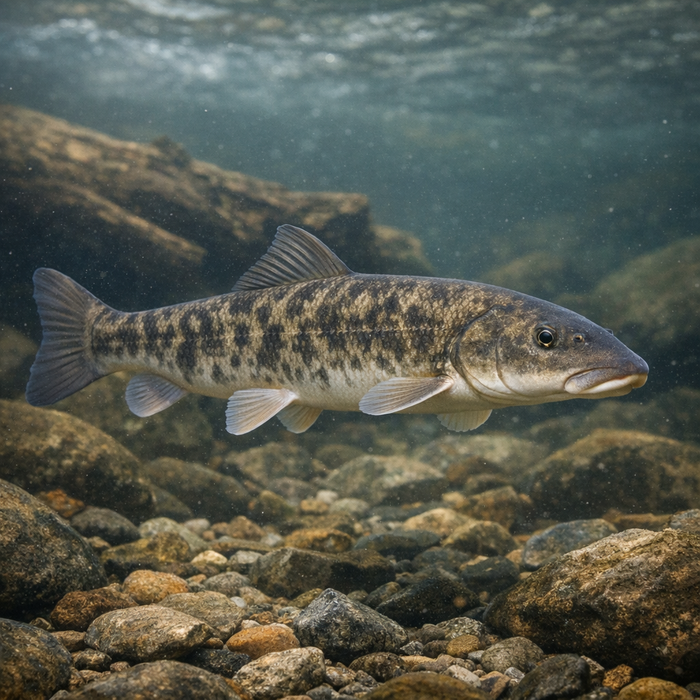
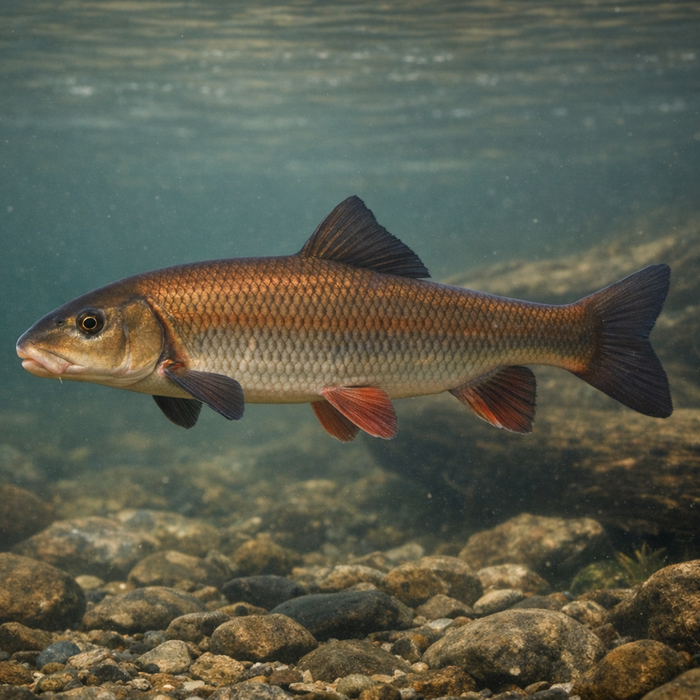
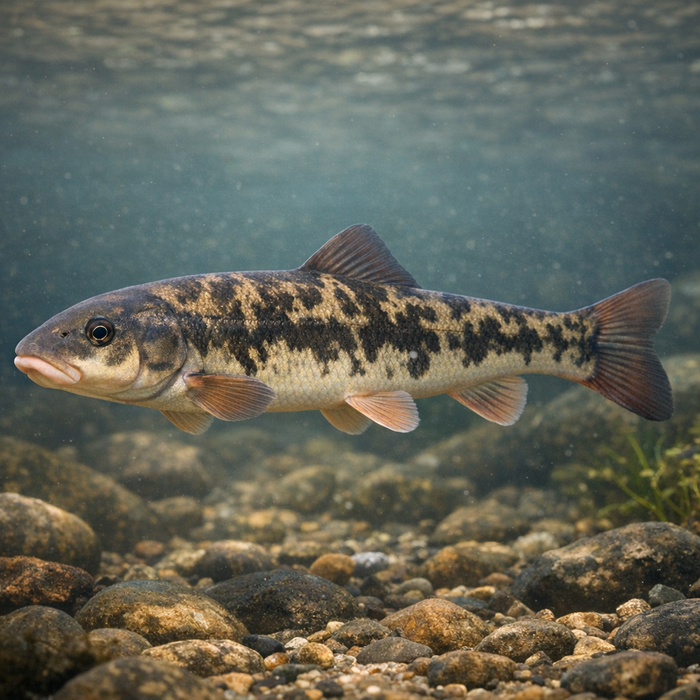
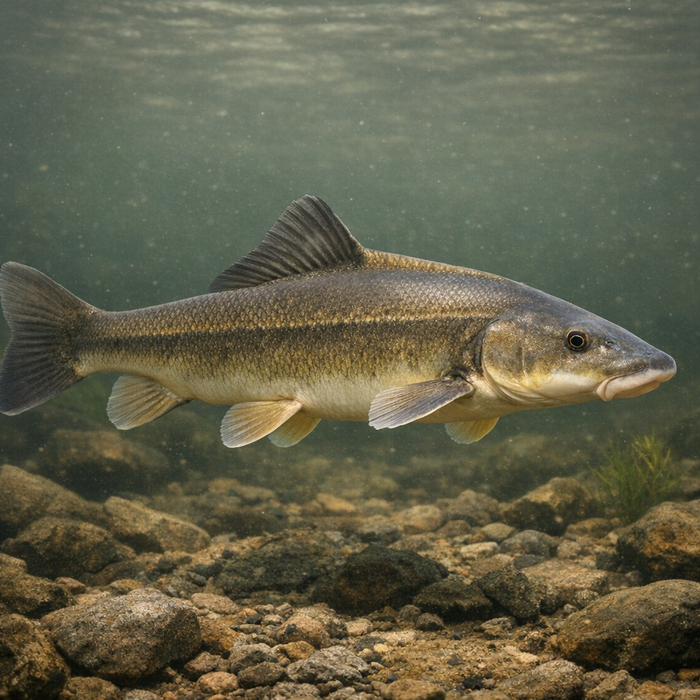
Longnose Sucker (Catostomus catostomus): A Bold, Memorable Hook LineIntroductionThe longnose sucker is the blue-collar vacuum of northern waters, snuffling gravel with a snout built like a shop-vac and surviving cold that would make a bass shiver. It isn't loud, flashy, or Instagram-famous. But if you want a reliable bend in the rod in icy rivers or deep, clear lakes, the longnose sucker shows up and does the work. Consider this your crash course in Longnose sucker facts, mixed with just enough attitude to keep you reading.What Makes the Longnose sucker Unique?First, that face. The elongated snout and subterminal mouth are purpose-built for bottom-feeding, lined with rubbery lips that bristle with taste buds and ridges for scraping. Second, staying power. The longnose sucker thrives in near-freezing water and doesn't mind low glamour or low temperatures. Third, range. Few freshwater fish pull a true Holarctic passport; this one reaches across northern North America and into Arctic Eurasia. Add it up and you've got a specialist so dialed to gravel and cold that it wins by outlasting the competition.Habitat & Global RangeIf you're mapping Longnose sucker habitat, mark cold lakes with clean bottoms and gravelly, riffled streams that pour in each spring. They winter deep, slide shallow with thaw, and push up tributaries to broadcast adhesive eggs over clean stone. In the Great Lakes basin, they stage along current seams and near river mouths; in Alaska and the interior West, they haunt clear rivers and kettle lakes. Their success hinges on water clarity, cool temperatures, and oxygen-get those boxes checked and longnose sucker numbers can be huge.Behavior & TemperamentThis isn't a brawler; it's a grinder. Longnose suckers cruise the bottom in loose groups, sifting invertebrates, fish eggs, and the occasional snail. During the spawn they'll swarm riffles and tailouts, with males sprouting sandpapery breeding tubercles and everyone getting pushy over prime gravel. The bite is subtle: a quiver on the tip, a slow lean, then steady pressure. They spook less than trout, but sloppy shadows or loud bankside stomping still send them off the feed. Ice season condenses their world, and they'll vacuum along breaks and inlets where fresh water drags groceries downslope.Ecological ImportanceThe longnose sucker is a keystone janitor. By hoovering invertebrates and reworking substrate, it stirs up nutrients and keeps benthic communities moving. It also shuttles energy: eggs and fry feed trout, char, pike, and burbot, while adults occasionally donate protein to apex predators. When suckers run, everything else pays attention, especially egg-munchers and opportunistic cruisers tailgating the chaos. Healthy sucker populations often signal clean, oxygen-rich water and stable spring flows.Conservation & Environmental PressuresGood news first: the longnose sucker sits at Least Concern range-wide. Still, it's not invincible. Silted spawning gravel, warm discharges, and poorly timed water withdrawals can nuke recruitment in a hurry. Over-simplified channels erase riffles; culverts block runs; invasive species shift foodwebs. It's also a perennial victim of PR-lumped as a "rough fish," it's sometimes mismanaged or ignored. Smart regulations and habitat projects aimed at coldwater connectivity help everything from suckers to salmonids.The FishyAF TakeThe longnose sucker is the fish you overlook until you finally fish for one on purpose. Then you realize the truth: it's accessible, oddly handsome in bronze, and perfectly tuned to places you already love to fish. Want action when trout pout? Want a kid to feel a steady pull in cold water? Tie on a small hook, hit the gravel, and let the vacuum work. The longnose sucker won't blow up your drag, but it will teach patience, presentation, and respect for the humble specialists that quietly hold northern ecosystems together. That's a win in our book.