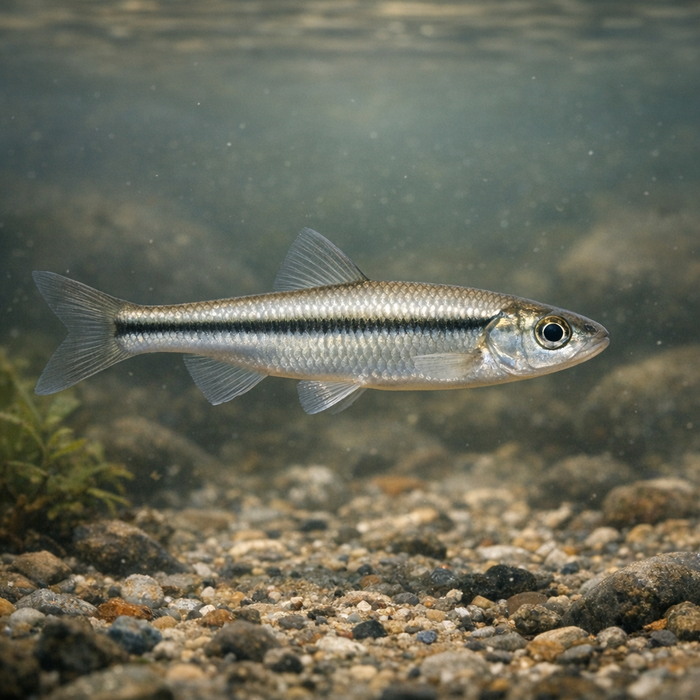
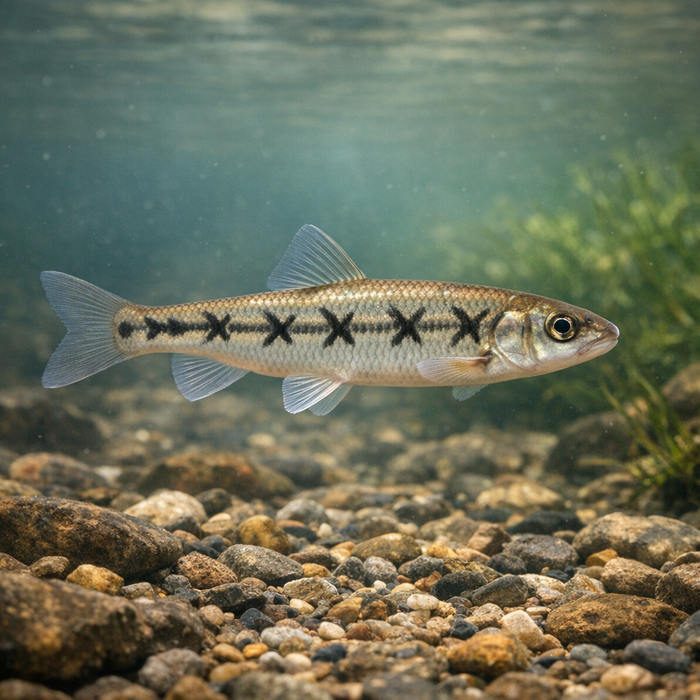
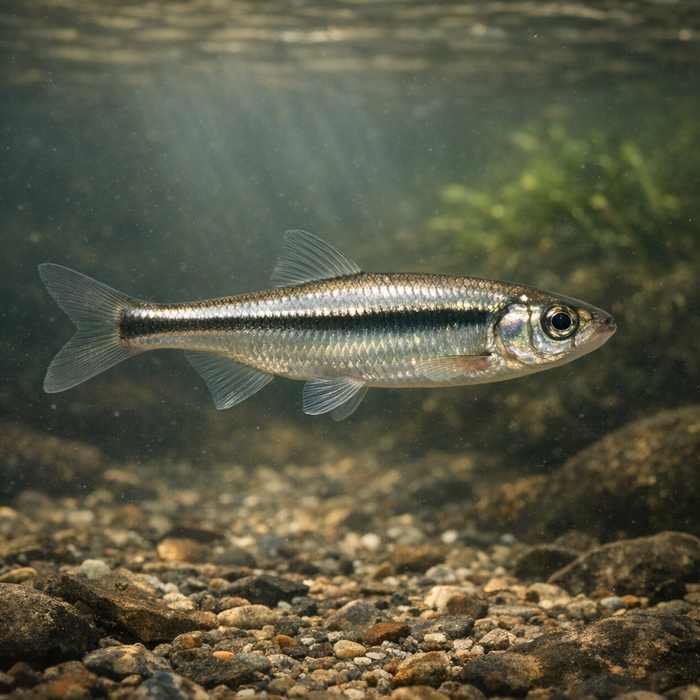
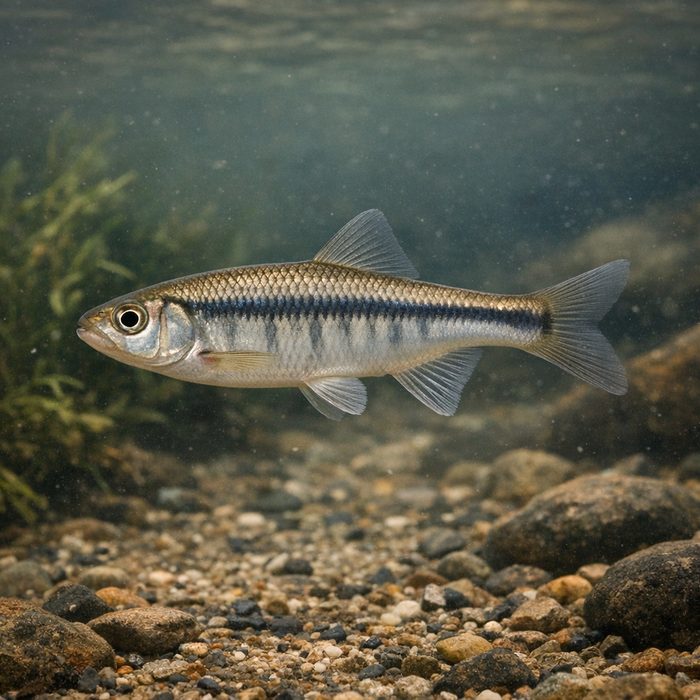
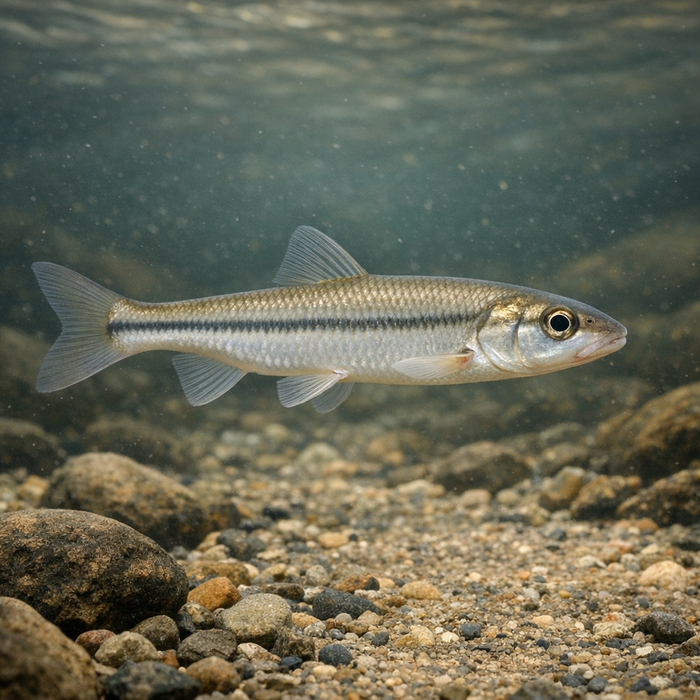
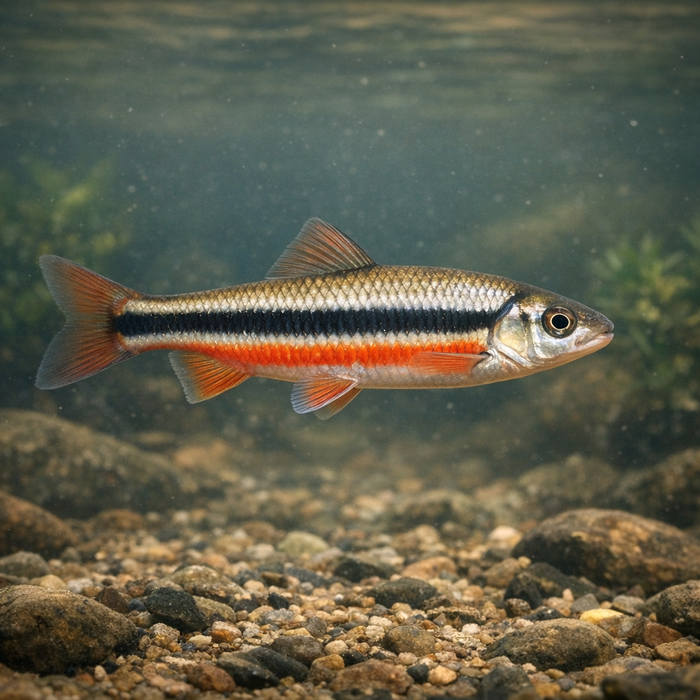
Silverjaw minnow (Ericymba buccata): Chrome-cheeked stream sprite with sensory bling and a need for clean flow.IntroductionThe silverjaw minnow is proof that tiny doesn't mean boring. This sleek, schooling cyprinid flashes down bright runs and riffle tails, its trademark jaw pores winking like sequins. Anglers who lean into microfishing know the drill: pencil-thin floats, hooks you can barely see, and fish so skittish you feel like a heron with stage fright. Still, when you finally coax a bite, that quicksilver flash is addicting. Consider this your crash course in silverjaw minnow facts, behavior, and on-the-water savvy.What Makes the Silverjaw minnow Unique?Start with the name: those "silver jaws" are actually enlarged sensory canals exposed along the lower jaw, a rare, diagnostic look among North American minnows. They function like high-gain microphones for current and vibration, helping schools track subtle flow and tiny drifting food. Add an upturned mouth made for snipping micro morsels and you get a fish tuned to life just below the riffle line. Top it off with nuptial tubercles on breeding males, a sandpapery season-pass to the spawn, and you've got a shiner with character.Habitat & Global RangeIf you're scouting silverjaw minnow habitat, think clear, moderate-flow creeks and small rivers with clean sand and fine gravel. They love the gentle lanes near riffles, seams beside mid-channel bars, and the soft water below shallow chutes. The species is native to central and eastern U.S. drainages, particularly the Ohio River system, parts of the upper Mississippi basin, and select Great Lakes tributaries. Local abundance swings with water quality: silted, algae-choked runs push them out; stable, well-oxygenated flows pull them in. Look for bright substrate and just enough depth to cover a fin-often knee deep to shin deep.Behavior & TemperamentSilverjaw minnows are classic schoolers: tight formations, quick pivots, and a strong safety-in-numbers strategy. Skittish by nature, they ghost away from heavy footfalls and shadows, then drift back if the water calms. Feeding happens midwater in gentle lanes, with occasional dips toward clean bottom. Their bite is feather-light, more "vanishing bait" than "strike," so detection is everything. Despite the jittery vibe, they hold in predictable micro-features: the downstream lip of riffles, the near side of gravel tongues, and current seams that deliver a buffet without body-surfing.Ecological ImportanceWhen the silverjaw minnow is thriving, your stream is probably doing fine too. They're a living readout for silt, nutrients, and oxygen because their preferred runs clog and degrade early when conditions slip. They churn energy up the food web, turning tiny invertebrates into fuel for sunfish, juvenile bass, and stream predators. Spawning over clean sand and gravel, they also keep the substrate story honest: if their eggs can't find crevices, the system's substrate likely needs help.Conservation & Environmental PressuresThe silverjaw minnow currently sits at Least Concern across much of its range, but it's not bulletproof. Excess sediment from sloppy construction, livestock trampling, or channelized banks buries the clean interstitial spaces they rely on. Low summer flows and high temperatures squeeze oxygen and shrink usable lanes. Nutrient spikes push nuisance algae that smother gravel and shift insect communities. The fix is unglamorous but proven: protect riparian buffers, curb sediment, and keep enough water in the channel to maintain a living current. Do that, and silverjaws persist.The FishyAF TakeAnglers overlook the silverjaw minnow because it's snack-sized. Their loss. This fish is a perfect litmus test for your presentation game. If you can consistently dupe a school of these sensory-wired micro missiles, everything else gets easier. Want more bites? Calm down, go smaller, and read the current like you're paying rent on it. The silverjaw minnow rewards precision and punishes noise, which is exactly why we love it. Microfishing isn't a consolation prize; it's a master class in control. File under: unexpectedly addictive. And yes, those chrome jaw pores are every bit as cool as they look.