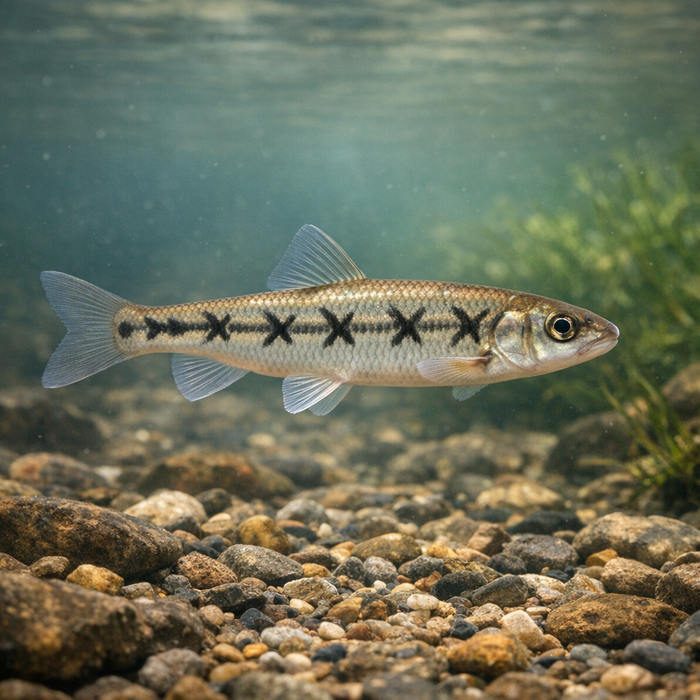
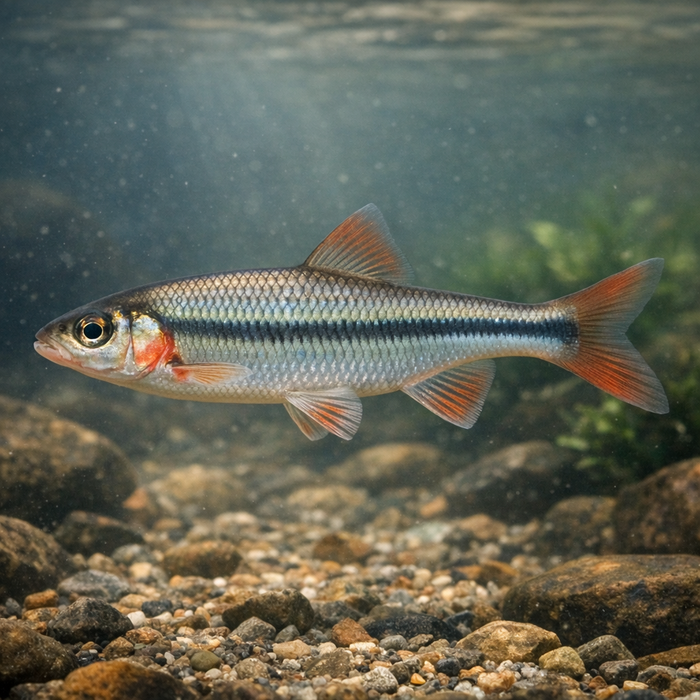
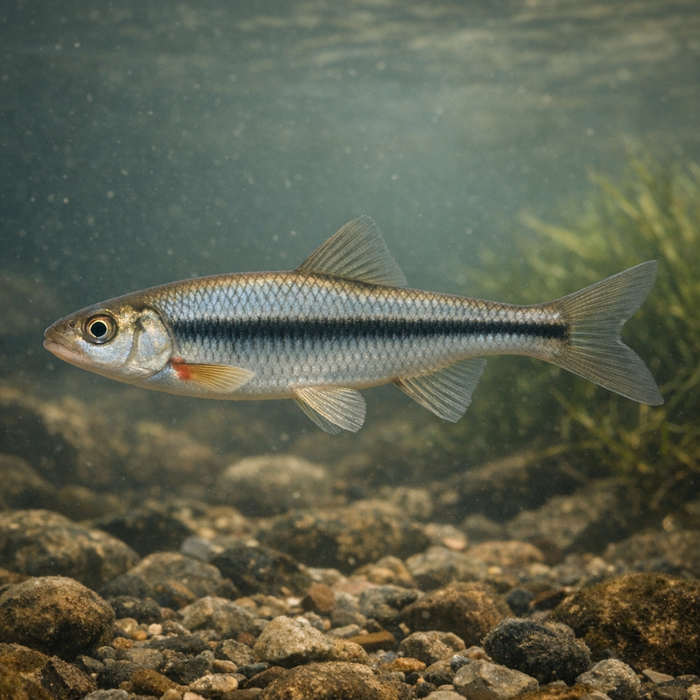
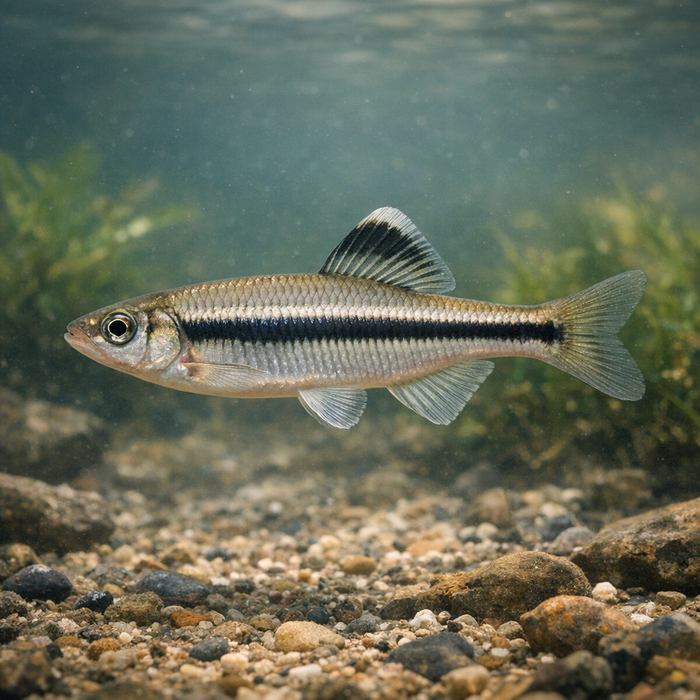
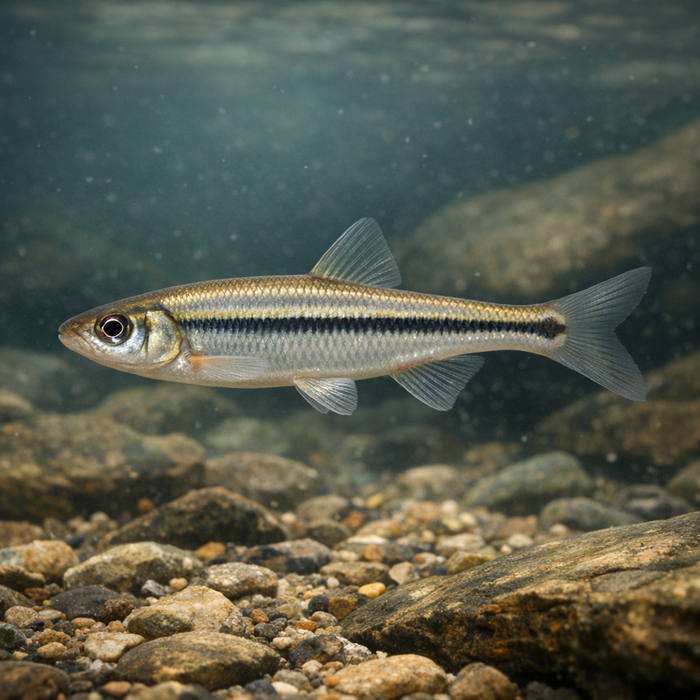
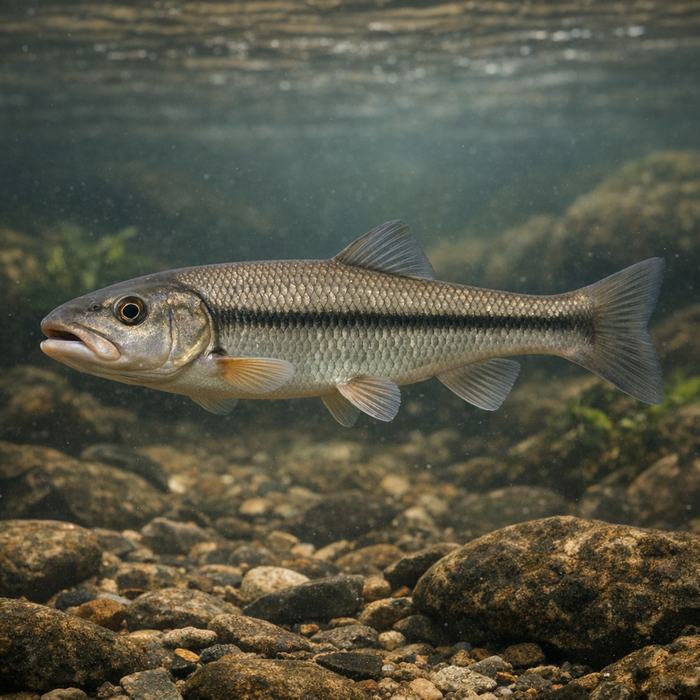
Channel Shiner (Paranotropis wickliffi): A Bold, Memorable Hook LineIntroductionTiny doesn't mean boring. The channel shiner is the silver spark in heavy current, the minnow that prefers chaos over calm. If you chase micro species or just appreciate river ecology, this little speedster has a story worth hearing. Consider this your quick hit of Channel shiner facts with just enough attitude to keep you awake.What Makes the Channel shiner Unique?Start with real estate preferences. While many shiners cruise eddies, the channel shiner leans into the main push, stacking along sandy tongues and outside bends where current thumps hardest. That's an odd flex for a fish that rarely tops a few inches. Males also grow fine breeding tubercles during the spawn, a sandpaper mask that makes handling feel like touching a tiny file. Add in a faint, here-then-gone dusky midline that flashes only at certain angles, and you've got a fish built for subtlety in fast water.Habitat & Global RangeWhen anglers talk Channel shiner habitat, think big rivers in the Mississippi and Ohio basins, plus some Great Lakes drainages. They show up on sand bars, along thalwegs, and in straight, swift reaches that look more like barge lanes than fish sanctuaries. Depth isn't the headline; flow is. Soft-bottom creases and dune-like sand waves are prime. Seasonal shifts push them slightly shallower for spawning as water warms, then back toward mid-channel schools when summer flow evens out. Access is typically simple: bridges, riprapped banks, and public river walks that put you within an easy flick of the current line.Behavior & TemperamentChannel shiners school tight, keep their noses into the push, and make a living off microinvertebrates and fine organic matter swept along the bottom. They're not smash-biters, but they're not timid either-think deliberate feeders that hold steady and pick. Their fight won't melt drags, and that's fine. The game here is finesse and fast hands, not horsepower. Expect the cleanest action in stable flows, low turbidity, and low wind. During spawning season, the shoals tighten and those breeding tubercles appear, turning males a shade rough-and-ready.Ecological ImportanceSmall fish, big job. The channel shiner converts drifting invertebrates and biofilm into calories for the entire river food web. Predators like sauger, white bass, and catfish all benefit from abundant shiner schools. Their habit of working the main channel sands also keeps energy moving through habitats many anglers overlook. When the shiners are thick, everything above them eats better.Conservation & Environmental PressuresThe species is generally common where conditions suit it, but it's picky about flow and substrate. Silted channels, chronic low-flow sections, and relentless turbidity can thin local numbers. Channelization that strips sand structure and dam operations that flatten spring pulses don't help either. Water quality matters too; minnows are great early-warning systems when something in the river goes sideways. While formal listings may read Not Evaluated, local conditions and access points can vary season to season.The FishyAF TakeThe channel shiner is proof that current junkies come in small packages. If you want a crash course in river reading, this little fish is your professor. Watch the sand tongues, count the pushes, and you'll understand big-water behavior way better. Whether you're after a microfishing notch or just curious about the silver rain that fuels your favorite predators, the channel shiner deserves a second look-and maybe a photo on a wetted ruler before it zips back into the flow.