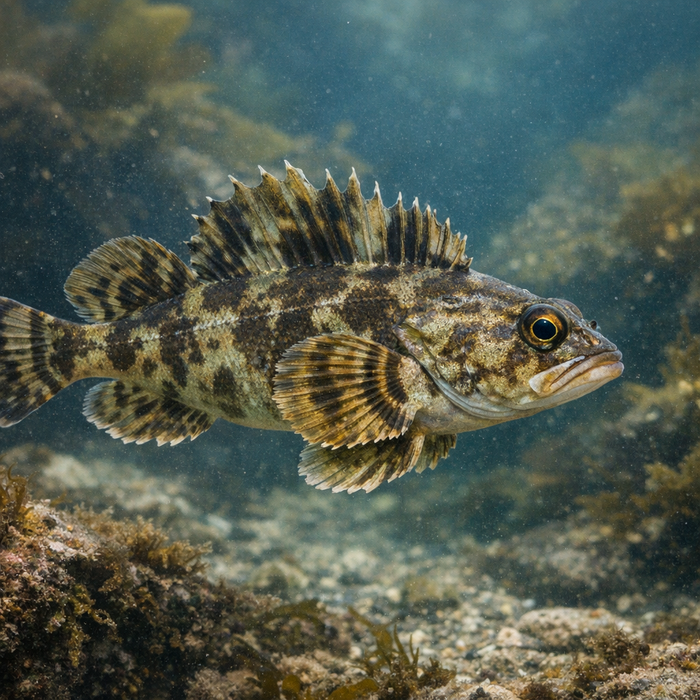
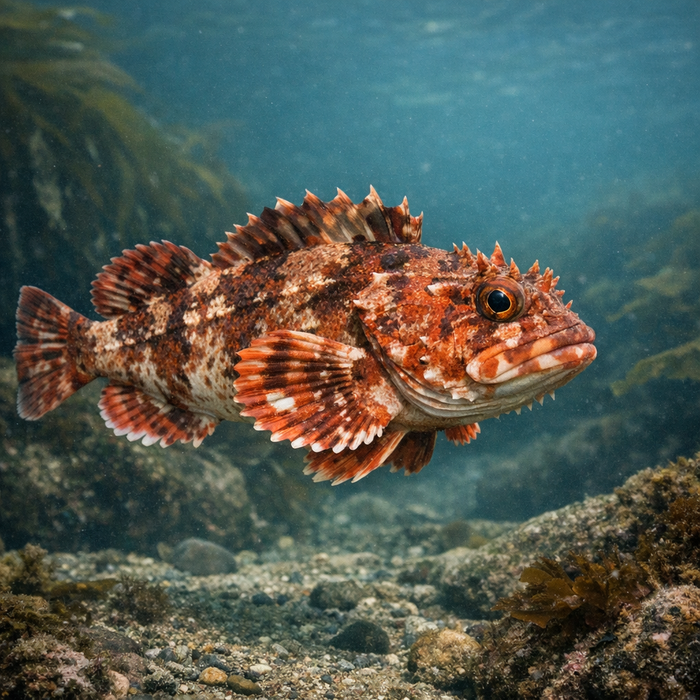
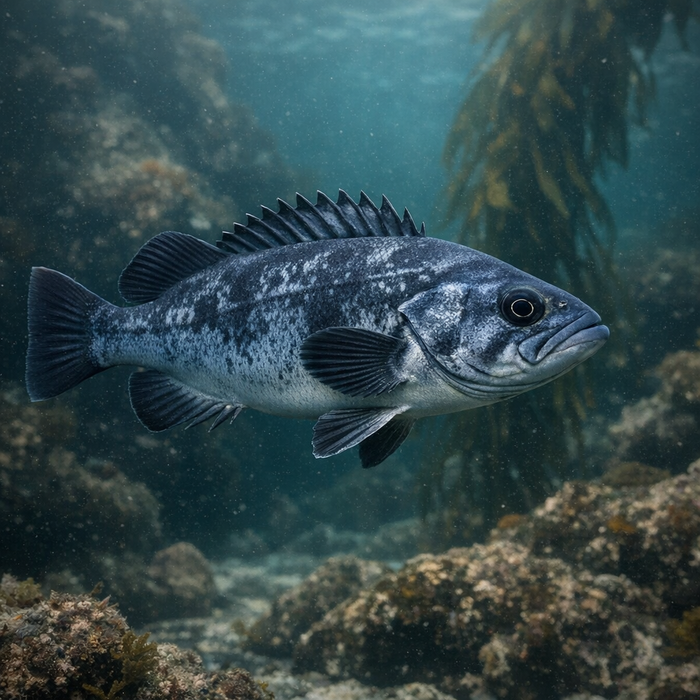
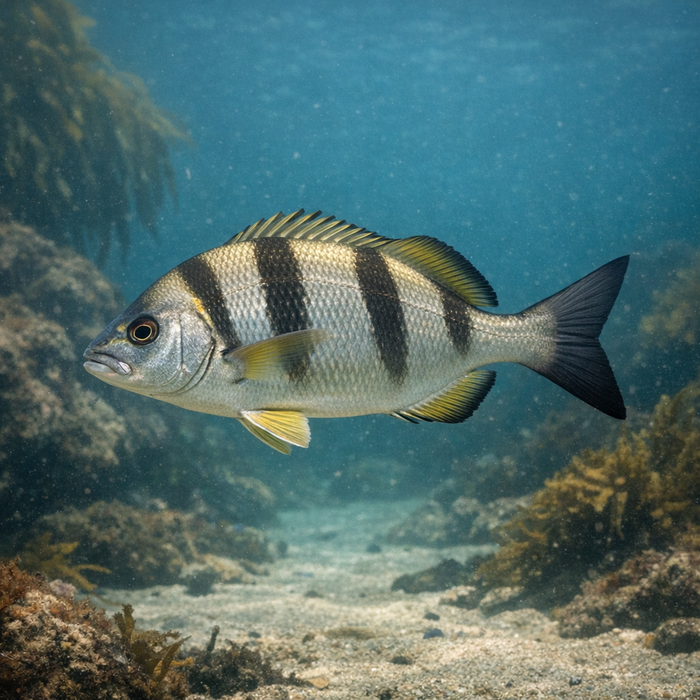
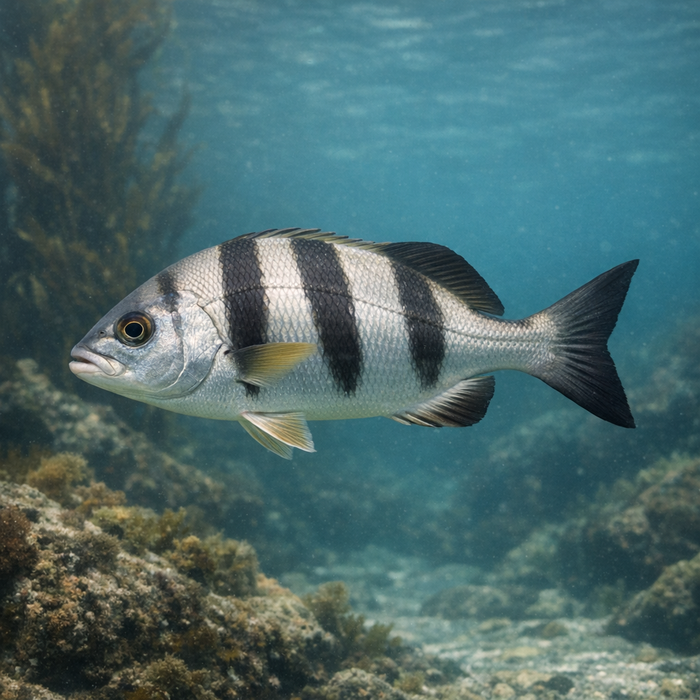
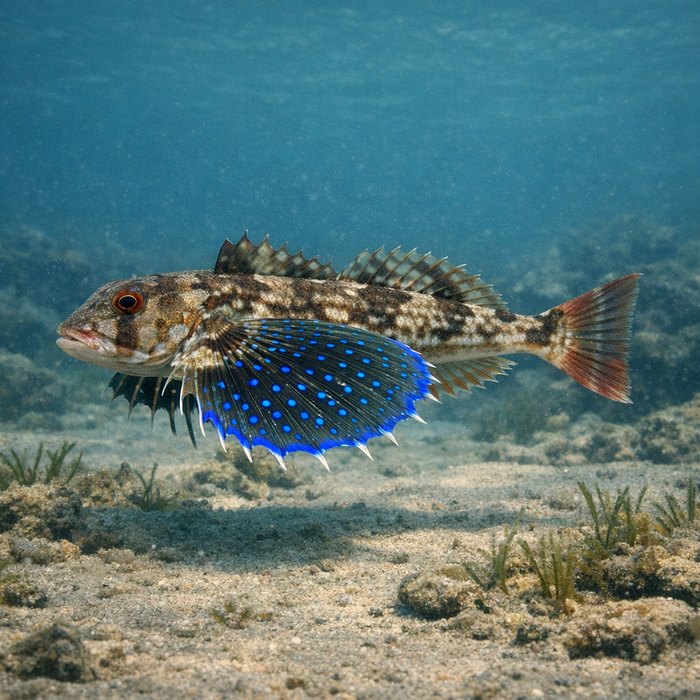
Silverspotted Sculpin (Blepsias cirrhosus): A Bold, Memorable Hook LineIntroductionThe silverspotted sculpin might be pocket-sized, but it's a full-on character. Chrome freckles, shaggy cirri, giant fan fins, and a bad habit of appearing exactly where your bait lands. If you haunt North Pacific kelp, you've met this little ambusher. This profile packs the essential silverspotted sculpin facts and cuts the fluff.What Makes the Silverspotted sculpin Unique?Start with the paint job: sunflower-sized pectoral fins and a body dusted with reflective silver spots. Those speckles scatter light like sequins, helping the fish disappear inside glittering kelp canopies. Then there's the headgear. Blepsias cirrhosus sports fleshy cirri sprouting from face and flanks, breaking up its outline the way moss disguises a rock. Add high-set eyes and a big, hinged mouth, and you've got a perfect bottom-hugging ambush package made for tight structure.Habitat & Global RangeThe silverspotted sculpin is a North Pacific regular, showing up from East Asia across the Aleutians and Gulf of Alaska down into the temperate Northeast Pacific. Think kelp beds, rocky reefs, eelgrass pockets, tidepool fringes, and pier pilings swept by current. It works the surge zone like it owns the place, perching on holdfasts and slipping between kelp stipes. If you're reading up on silverspotted sculpin habitat, plan your search around hard structure, moving water, and healthy kelp.Behavior & TemperamentThis fish is wired for the bottom. It settles into micro-ambushes, then rockets only a body length or two to smash small crustaceans or worms. Aggression is situational: fire off a tiny bait right in its face and it pounces, but it won't roam far. It tolerates pounding surf better than its size suggests, bracing with those oversized fins and keeping a low profile. It's not a schooling creature, more a stealthy neighbor that shares prime real estate with other bottom characters. Fight-wise, expect a brief flurry and some stubborn head shakes. You won't need a gaff, you'll need tweezers.Ecological ImportanceThe silverspotted sculpin plugs into the coastal food web as both hunter and snack. It trims amphipods and other tiny invertebrates that graze kelp, translating that energy straight up the chain. In turn, bigger rockfish, lingcod, and seabirds pick them off, especially when juveniles wander from cover. Their appetite for small critters helps keep kelp forests balanced, which matters when storms, warming events, or urchin booms stress those habitats.Conservation & Environmental PressuresYou won't see a silverspotted sculpin headlining a management plan, but the habitat story matters. Kelp forests ride the roller coaster of ocean climate, pollution, and urchin pressure. Coastal development and sediment runoff can whack eelgrass and reef quality. While the species isn't a commercial target and faces little direct fishing pressure, anything that erodes kelp structure or water quality chips away at its neighborhood. Keep the kelp healthy and these sculpins keep doing sculpin things.The FishyAF TakeThe silverspotted sculpin is micro-fishing's booby trap: small fish, big personality, instant gratification. If you're out with ultralight gear and a scrap of shrimp, they're the surprise biter that turns a slow kelp drift into a steady tap-tap show. You won't brag about poundage, but you'll appreciate how dialed-in this species is to its turf. It's a tiny masterclass in camouflage, stability, and short-range violence. Want quick action, fun ID work, and a front-row seat to kelp ecology? The silverspotted sculpin delivers, speckles and all.