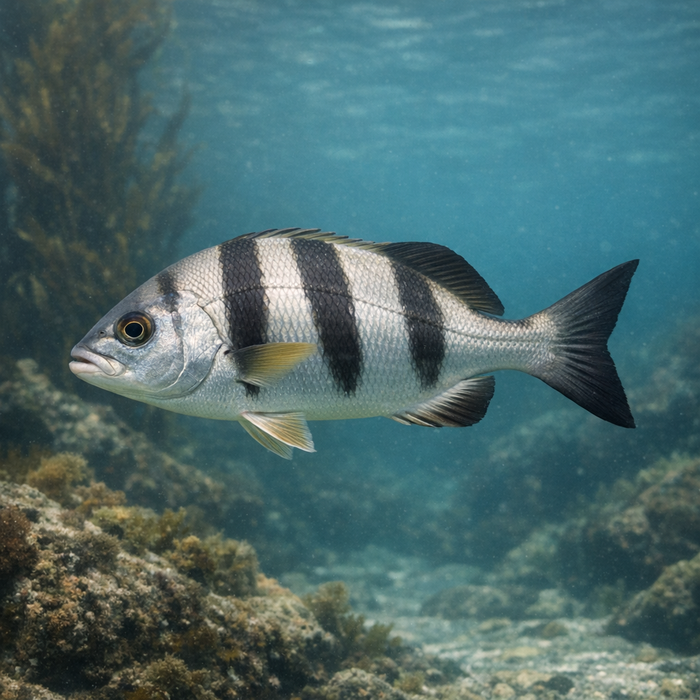
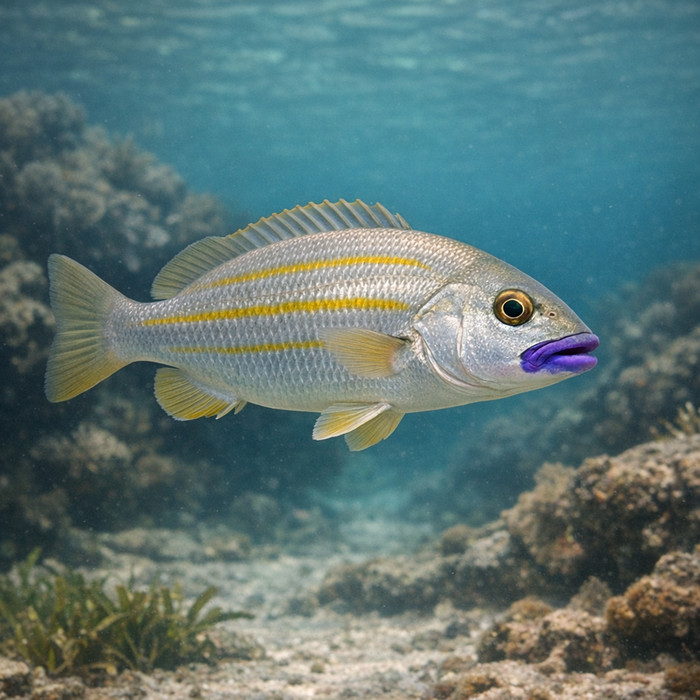
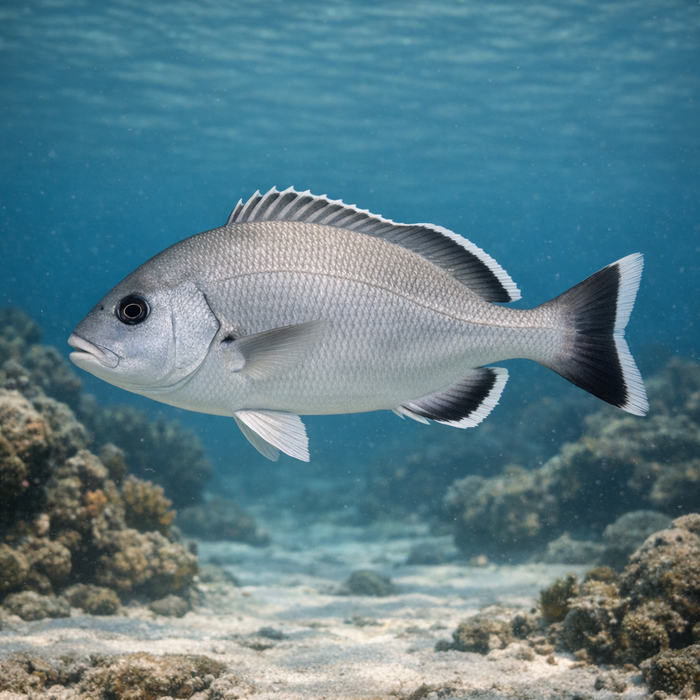
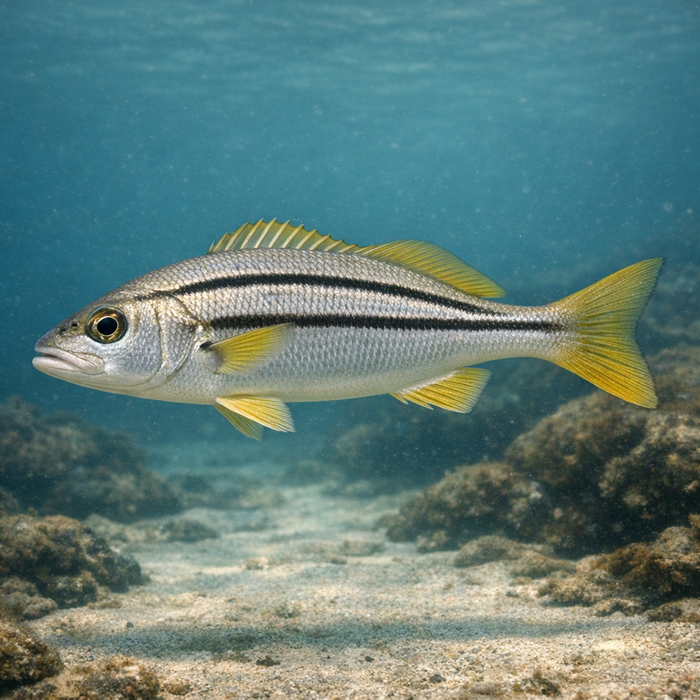
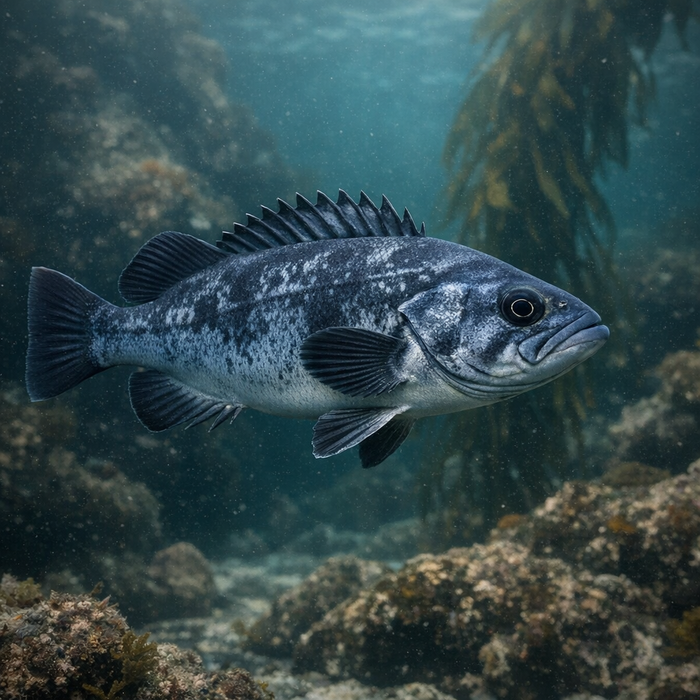
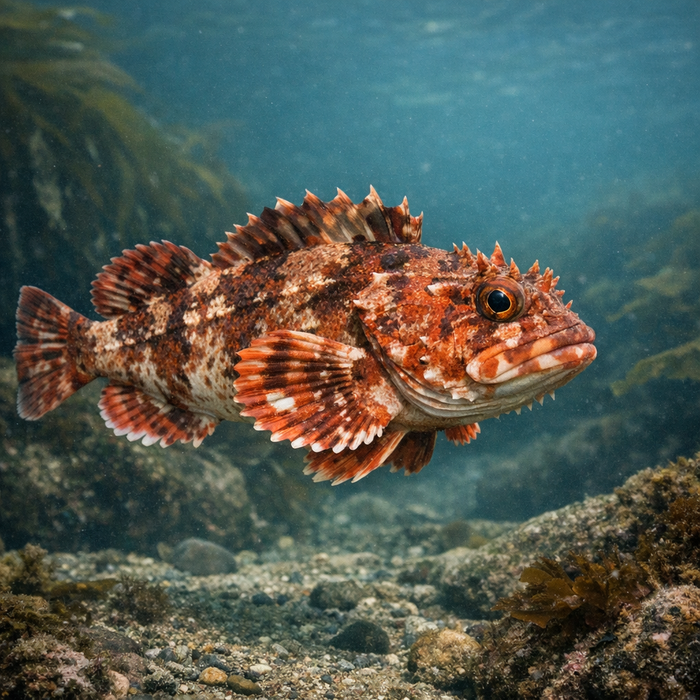
Xantic Sargo (anisotremus davidsonii): A Bold, Memorable Hook LineIntroductionThe xantic sargo is the no-nonsense brawler of the Southern California and Baja jetty scene. It's sturdy, slab-sided, and happy to test your knots against barnacled rocks. Hook one around the kelp edge and you'll hear that trademark grunt in the net. Not flashy, not famous, but absolutely worthy. If you're after real-deal xantic sargo facts, start here.What Makes the Xantic sargo Unique?First, the attitude. For a fish that usually tops out around a couple pounds, the xantic sargo punches above its weight. It carves tight orbits around structure, bulldogs toward cover, and muscles every inch. Second, the soundtrack. Grunts are named for a reason, and this species does it well, rattling its pharyngeal teeth to produce that unmistakable growl. Third, the glow-up. Juveniles flash dramatic yellow-and-black bars that tone down into a silvery adult with faint striping that can brighten or fade in seconds. The combination of gritty fight, weird audio, and color-shifting charisma makes the xantic sargo hard to forget.Habitat & Global RangeIf you want "Xantic sargo habitat" in one line: rocky reefs and kelp margins along the Eastern Pacific's temperate to subtropical band. Think central and Southern California through Baja California and into the Gulf of California. They haunt boulder fields, jetty faces, breakwalls, reef-sand interfaces, and the darker holes inside kelp forests. Juveniles push shallow, even into tide pools and protected pockets, while adults rule from knee-deep water down to moderate depths. Current, surge, and structure are friends, but it's the interplay of shadow and food that really sets their stage. Find a reef edge that whispers of crabs and clams, and you're on brand.Behavior & TemperamentThe xantic sargo is a crepuscular opportunist. Dawn and dusk send them prowling in loose squads, nosing into cracks, tilting sideways to pry critters, and flashing subtle bars when adrenalized. They can school, but not always; sometimes they form mixed company with opaleye and surfperch. On the line, they aren't sprint specialists, but they're stubborn grinders. The classic move is to hit, flare, and aim straight back into rock. That's why abrasion-resistant leader and quick pressure matter. They're wary of clumsy presentations yet will happily inhale natural baits fished clean and close to cover.Ecological ImportanceCall them the reef janitors that pay rent. Xantic sargo focus largely on benthic invertebrates, crushing shelled prey with molar-like throat plates. That energy transfer moves calories from crustaceans and mollusks up the food chain and ultimately into larger predators. Their habit of feeding across the sand-reef edge also stirs microhabitats, and their presence supports a diverse coastal web. They're not apex anything, and that's fine; middleweight players often keep systems humming.Conservation & Environmental PressuresGood news first: the xantic sargo isn't a headline species for overfishing, and catch-and-cook interest is moderate. But coastal stress is real. Urban runoff, sediment plumes, warming events, and habitat loss all chip away at rocky-reef quality. Kelp declines in some years further shrink the buffet and the refuge. Local closures and Marine Protected Areas help by safeguarding key structure. Responsible harvest and attention to local advisories keep pressure sensible. This isn't a doom-and-gloom story, but reef fish thrive only as much as their rocks and kelp allow.The FishyAF TakeThe xantic sargo is the blue-collar specialist of the breakwall. You won't book a vacation just to chase it, yet you'll remember the ones that dog down into the stones and make your drag sing. It rewards anglers who thread the needle: small hooks, tidy rigs, tight to structure. It's also a perfect teacher fish for anyone learning current, edges, and subtle bites. If your idea of a good time is feeling the tap, leaning in, and winning a tug-of-war where the last 10 feet matter most, the xantic sargo is your huckleberry. Not glamorous, but fully legit. That grunt you hear? That's reef approval.