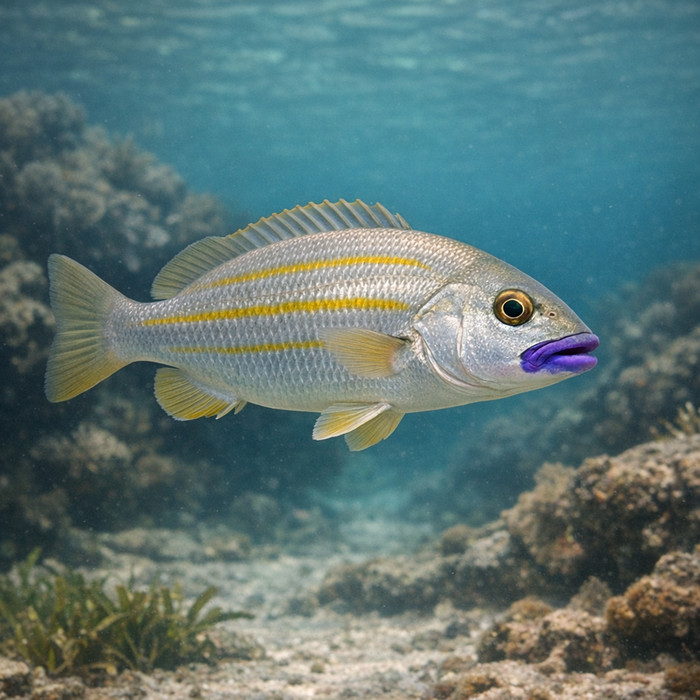
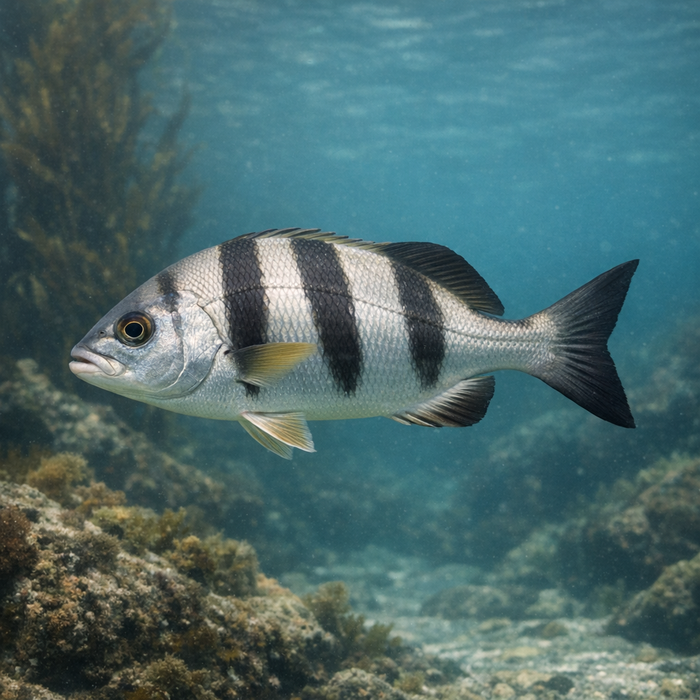
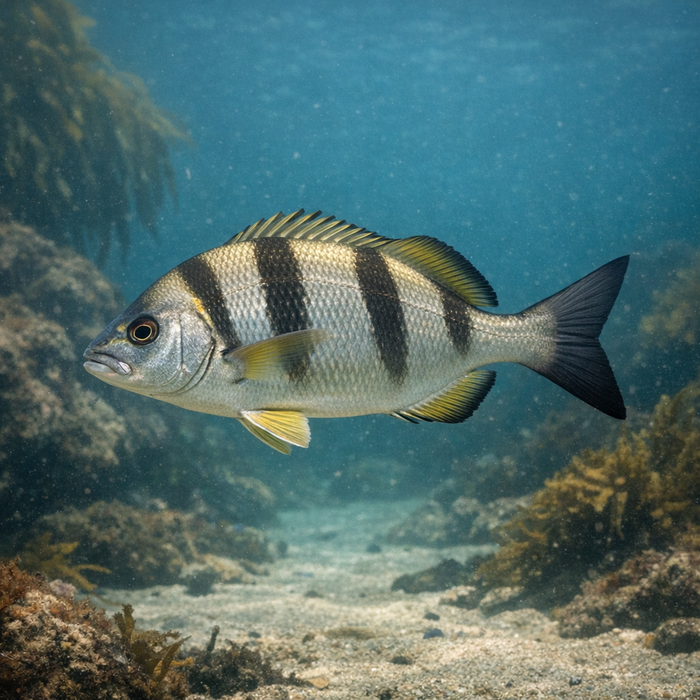
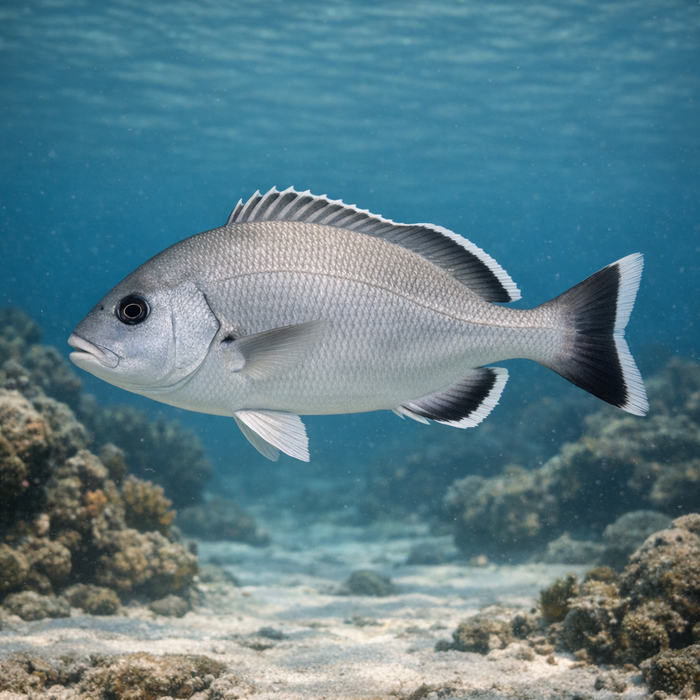
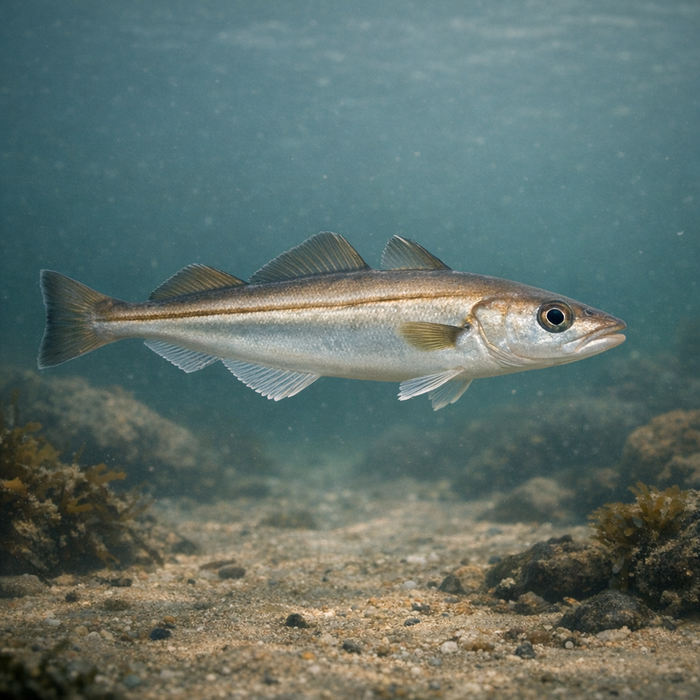
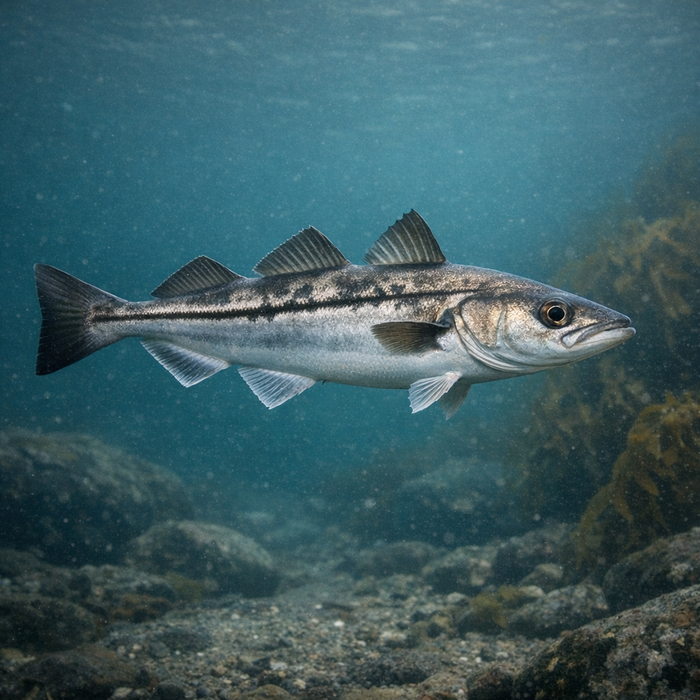
Raucous Grunt (Haemulopsis leuciscus): Surf-zone noise maker every bait-savvy beach angler should knowIntroductionThe raucous grunt doesnt care about your fancy plugs or your perfect loop knots. It lives in the wash, thrives in chaos, and gladly smashes simple baits while the breakers pound your shins. For anglers who like the beach gamereading sandbars, troughs, and tidesthis little noisemaker brings quick action and steady smiles. Consider this your crash course in raucous grunt facts with enough field flavor to skip the textbook.What Makes the Raucous grunt Unique?Start with the soundtrack. Like other grunts, the raucous grunt can rumble audibly, but it earns its name with volume that carries even above the surf when a fired-up school congregates. That noisedriven by muscles vibrating the swim bladderis more than a party trick; its communication in messy, low-visibility water. Add in a downturned mouth built to sift sand and crush tiny crabs, and you get a specialized surf forager that turns beach turbulence into a buffet. Toss a bait into that mix and the take is fast, honest, and repeatable.Habitat & Global RangeIf you19re thinking raucous grunt habitat, think nearshore Eastern Pacific: from southern Baja into Central and northern South America. The playbook is classic surf countrysandy bottoms, estuary mouths, and shallow coastal zones with rolling chop and suspended grit. They prowl trough edges, the lips of bars, and current seams ripping along points. You don19t have to be offshore or over coral to find them. This is grocery-store fishing for the coastal local: beach access, a couple rigs, and a pocket of shrimp or squid.Behavior & TemperamentThe raucous grunt is a schooler with a blue-collar attitude. It cruises in tight pods, flashing silver in the foam and diving nose-first to slurp whatever the waves uncover. Bites often come in flurries; if you stick one, don19t be shocked when the rod next to it doubles too. Theyre not paranoid, but theyre quick. Small hooks, small baits, and clean presentations do the work. The fight won19t win tournaments, yet in active surf they use the water like a weapon, thumping and planing sideways in the whitewater to shake free.Ecological ImportanceGrunts are glue species. The raucous grunt converts a rain of tiny crustaceans, worms, and soft-bodied invertebrates into calories for bigger predators and people. By sifting sand and chewing shell bits, they stir nutrients and keep the benthos lively. Their schooling habits concentrate prey for seabirds and draw attention from jacks and snook-like ambush artists along the edges. Its a busy little cog in the coastal machine.Conservation & Environmental PressuresGood news first: the raucous grunt isnt currently on panic watchlists. But nearshore fish always wear local problemsstorm runoff, sediment plumes, estuary development, and the usual cocktail of plastics and fuel slicks. While beach anglers rarely overfish grunts one hook at a time, small-mesh nets and mixed-species harvests can trim age structure fast. Clean water and smart coastal management do more for this fish than any trophy restriction ever could.The FishyAF TakeThe raucous grunt is proof that fun fishing doesnt require hero shots or heavy gear. Its an honest target: read the sand, put a small bait in the strike zone, and the rod tip bounces. Its also a perfect 22teach someone to fish22 species, especially in pounding beach conditions that intimidate newcomers. If youre chasing a marquee name, fine, keep walking. But when the surf is alive and youve got shrimp in the cooler, the raucous grunt delivers fast action and fillets worthy of a skillet or ceviche bowl. File this under Raucous grunt habitat gold: moving water, sandy cuts, and a tide thats going somewhere. Thats where this noisy little specialist shines, and where youll remember why simple fishing still slaps.