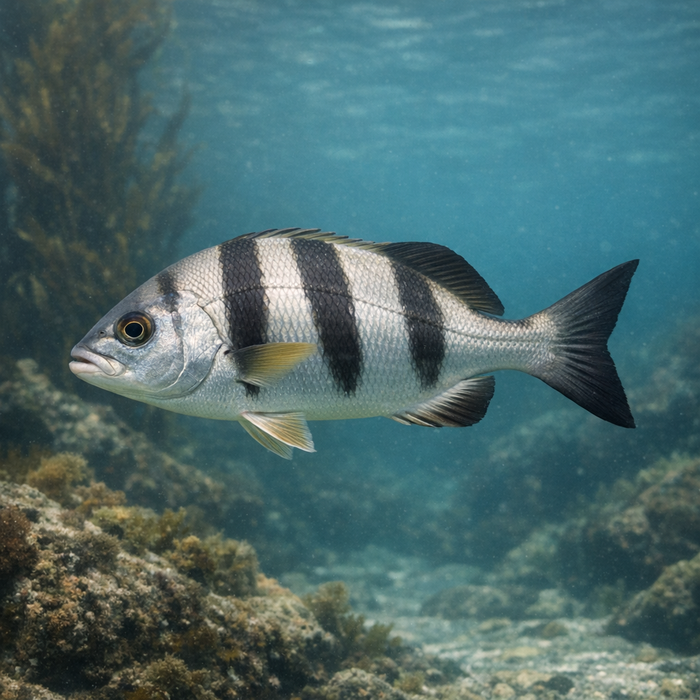
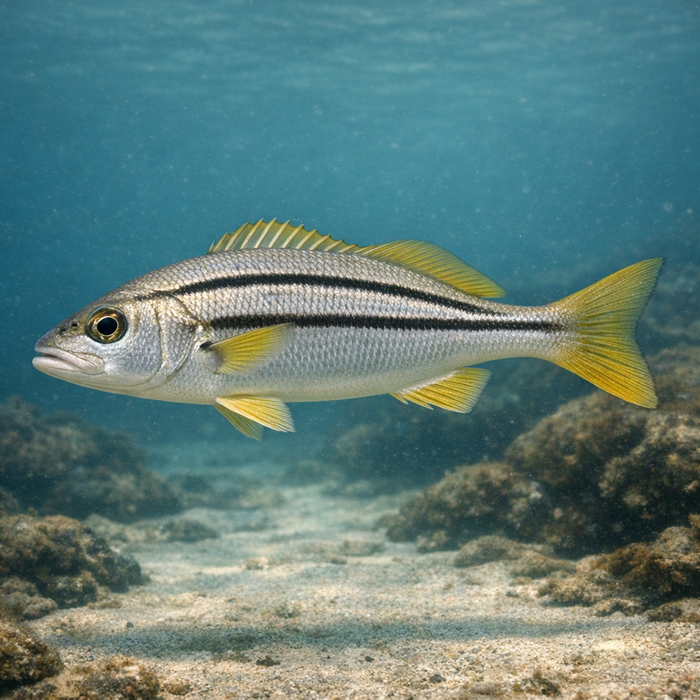
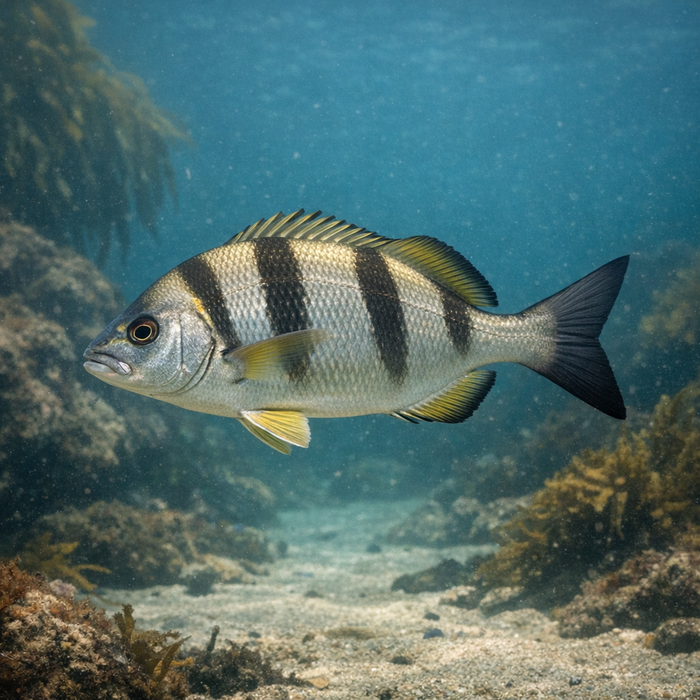
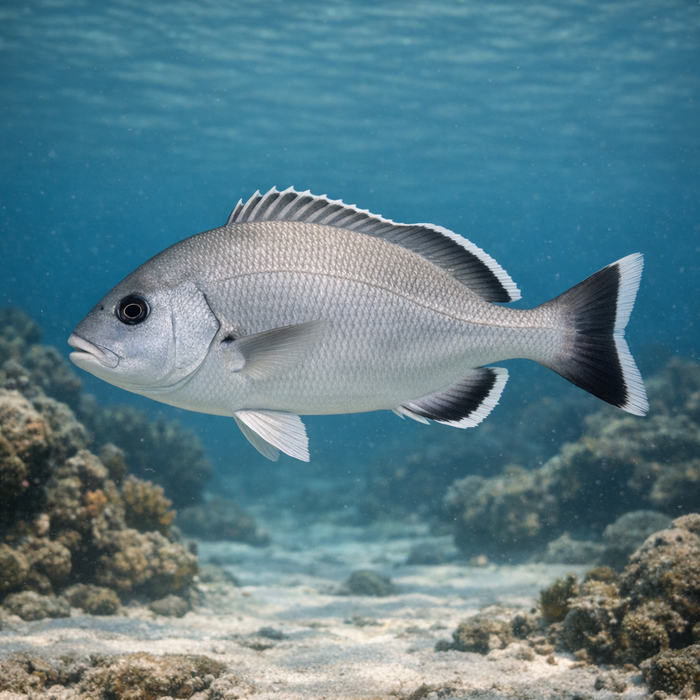
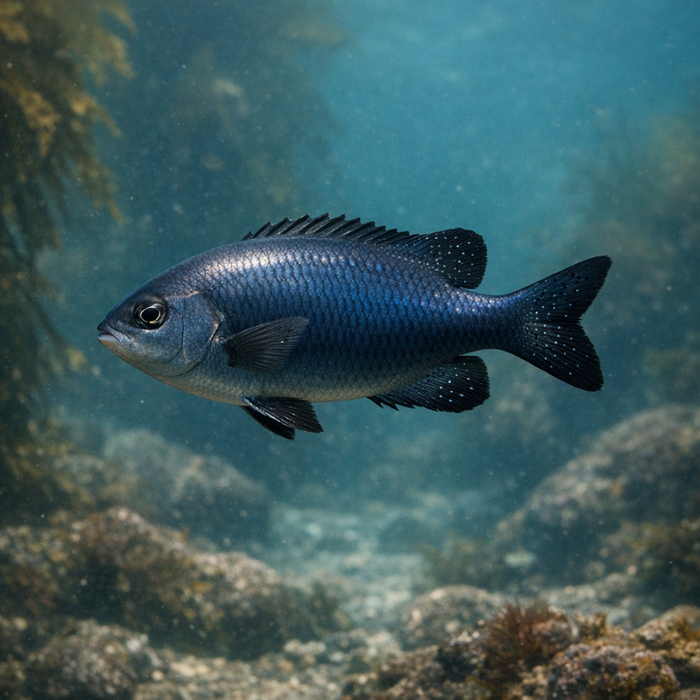
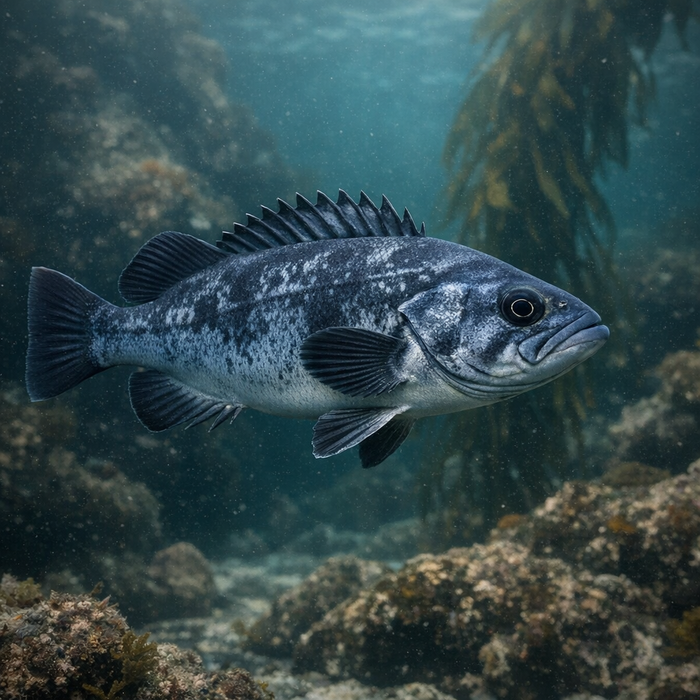
Purplemouth Grunt (Rhonciscus bayanus): A Bold, Memorable Hook LineIntroductionIf you hang around Eastern Pacific beaches and hear a fish grumbling at you from the bucket, you've probably met the purplemouth grunt. It's the scrappy, silver-sided inshore resident with a party trick you won't forget: a shock of violet inside the mouth. This is a small, willing biter that keeps surf anglers smiling when the headliners ghost you. Looking for quick purplemouth grunt facts with real-world payoff? You're in the right place.What Makes the Purplemouth grunt Unique?Let's start with the obvious flair: the inside of the mouth is vividly purple, a rare, unmistakable field mark that saves you from grunt-ID headaches. Then there's the sound. Like its cousins, the purplemouth grunt "grunts" by grinding pharyngeal teeth while the swim bladder amps the noise. Last, it's a surf specialist. This fish doesn't just tolerate whitewater, it works the wash, slipping in and out between waves to vacuum crabs and crunchable invertebrates that get tossed around the trough.Habitat & Global RangeThe purplemouth grunt lives the inshore life across the Eastern Pacific, especially along Mexico's Pacific coast, Central America, and down into South America, with islands like the Galápagos thrown into the mix. If a beach has wave energy, sand, and some incidental hard structure like jetties, reef patches, or rocky points, this fish is on the program. It commonly schools in the first and second sandbars, on harbor mouths, and along current seams where foam lines collect forage. Search "Purplemouth grunt habitat" and you'll get a pile of generic answers. Here's the translation: dynamic, sandy-bottom edges with predictable feeding lanes and churn. That's home base.Behavior & TemperamentPurplemouth grunts are daytime loafers and crepuscular feeders. They bunch up loosely over sand near structure, then tighten formation and push into shallow wash when light softens or tide shifts open a buffet line. Aggression is moderate, but consistency is their superpower; they peck at shrimp and crabs with workmanlike focus. Fights are short, punchy, and honest for their size. They rarely sound for structure the way a jack might, but they'll pinwheel in the wash and use the surf against you. Their schooling instinct is strong: nail one and you often have a window to catch several before the school wises up.Ecological ImportanceCall them the inshore janitorial crew. Purplemouth grunts convert a storm's chaos into calories by shredding wave-stunned invertebrates and tidying up detritus lines. In turn, they pay rent to the food web as dependable prey for larger predators prowling the beach edge. That role is glue in sandy systems where reef complexity is low. Their habit of schooling around man-made structure also turns piers and jetties into micro food webs, supporting everything from baitfish to gamefish and seabirds.Conservation & Environmental PressuresYou won't see conservation campaigns centered on the purplemouth grunt, and that's part of the issue. Small, common, and locally kept, they can slide under the regulatory radar. Coastal development that smothers surf zones, chronic sediment plumes, and polluted runoff hit their backyard first. Warm-water spikes can shift invertebrate availability and alter when or where schools feed. While this species isn't flashing red lights globally, healthy inshore zones matter. Lose the troughs and you lose the action.The FishyAF TakeThe purplemouth grunt won't headline your brag board, but it should headline your plan B. It's the punchy surf customer that makes a skunk day respectable and keeps newer anglers hooked on the sport. That purple grin is more than a cool party trick; it's an instant ID that saves you from mislabeling your catch. If you like fishing where waves meet sand, this is your steady date: honest bites, honest fights, and a tidy fillet if you're frying. Stack that with easy tackle demands and you've got a species worthy of more attention than it gets. Purplemouth grunt facts are simple: show up where the water churns, keep it small and natural, and let the school do the rest. No diva behavior, just results.