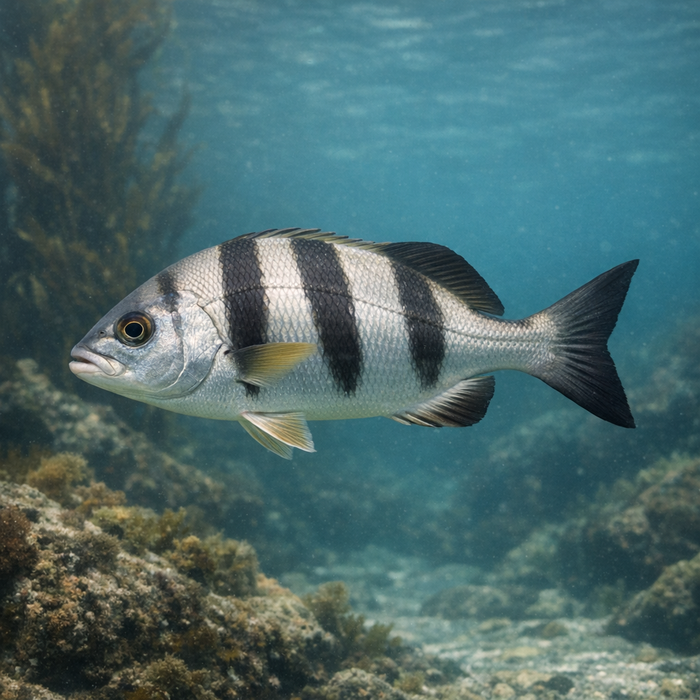
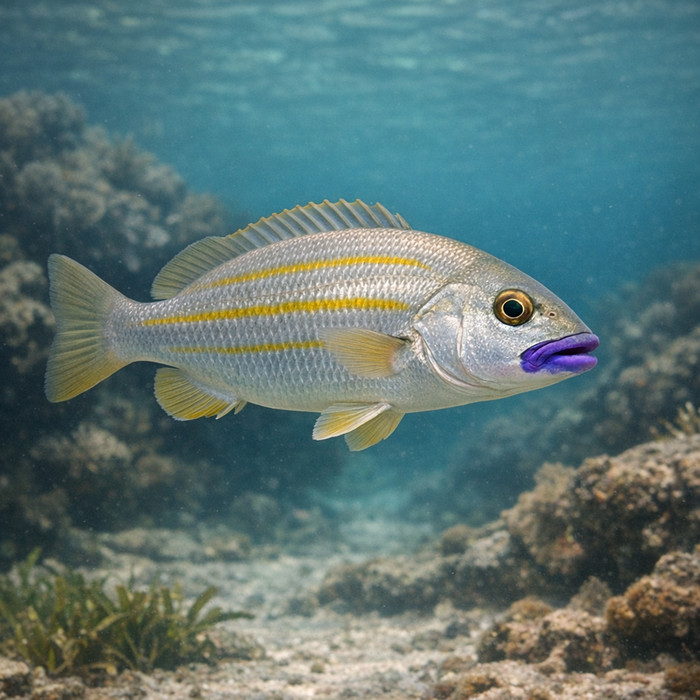
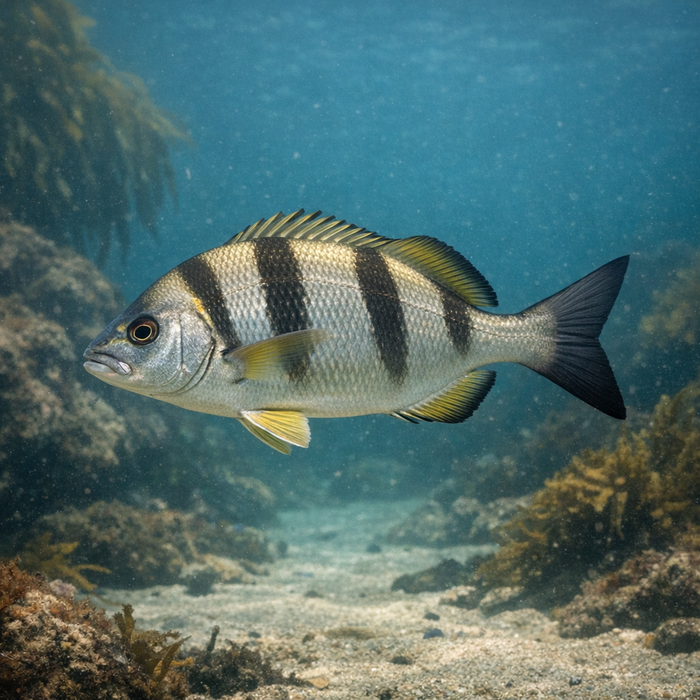
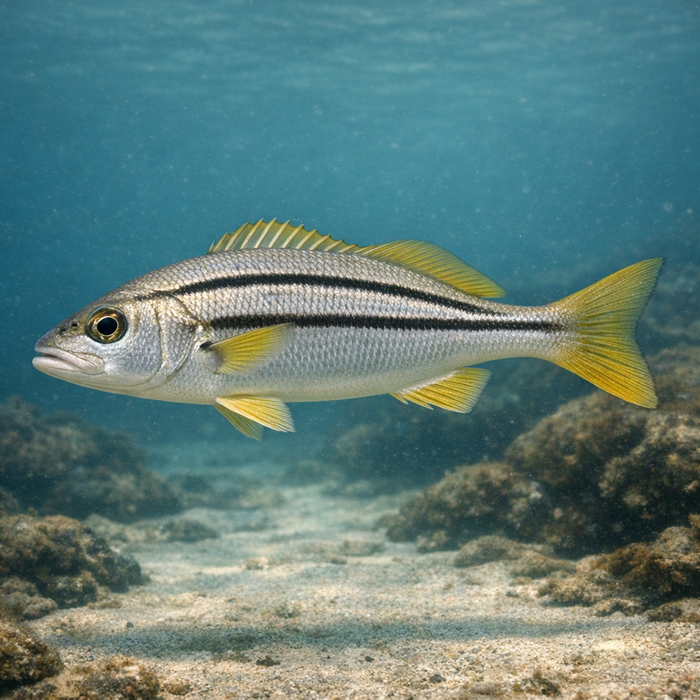
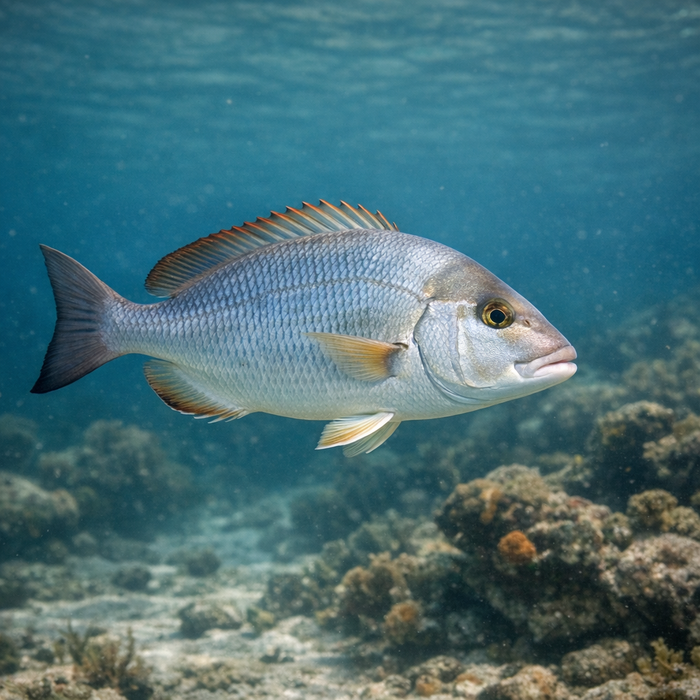
White Margate (Haemulon album): A Bold, Memorable Hook LineIntroductionThe white margate is the grunt you hear before you see. Tap the hull on a calm night and, if a school's under you, you might hear that signature croak echo back. This is a bread-and-butter reef target across the tropical Western Atlantic: not flashy like a mahi, not cranky like a grouper, but reliable, hard-thumping, and delicious. If you're chasing practical fish with legit personality, the white margate earns space on your short list.What Makes the White margate Unique?Two things stand out: that unmistakable "grunt" made by grinding pharyngeal teeth, and its big-shouldered profile for a grunt. The white margate grows larger than most of its cousins, with deep-bodied heft and a steep forehead that screams reef bruiser. At night, subtle vertical bars whisper across its silver sides, a moody wardrobe change as it slides out to feed. Combine those traits with a serious set of crushers for crabs and snails, and you get a rugged reef specialist.Habitat & Global RangeIf you're wondering about white margate habitat, think structure, depth, and edges. This fish favors reefs, ledges, and rubble near sand patches from Florida and Bermuda through the Caribbean and into the northern coast of South America, plus the Gulf of Mexico. Most days they loaf in loose schools over hard bottom in 60 to 200 feet, then push shallower or spread out to feed when light drops or current picks up. Wrecks hold them too, especially when baitfish and crustaceans stack. They're homebodies more than migrants, sliding around the same macro-neighborhood rather than embarking on long journeys.Behavior & TemperamentWhite margate are classic reef rhythm fish: chill during bright hours, more assertive when shadows lengthen. They're not surface hunters, and they rarely blitz. Instead, they pick smart, working the bottom and lower midwater for invertebrates and the occasional small fish. The bite often spikes with current lines and tide turns, particularly at dusk and dawn. Hooked, they punch down and bulldog into relief, trying to saw your leader against coral. They're no amberjack, but they earn your respect on light to medium tackle.Ecological ImportanceAs mid-tier predators focused on crustaceans and mollusks, white margate keep invertebrate populations in check and convert that biomass into food for larger predators like grouper and sharks. Their schooling habits make them a core link in reef food webs, moving energy from the bottom to everything that wants a bite. Eggs and larvae ride currents, seeding new reef patches and feeding plankton grazers along the way. It's all very tidy, if you ignore the part where everything's trying to eat everything else.Conservation & Environmental PressuresWhite margate are listed as Least Concern in many assessments, but that's not a permission slip to nap. Reef degradation, warming seas, and localized overfishing all chip away at the safety net. The species is often collateral in the broader "reef fish complex," so pressure on any part of that complex matters. Cleaner water, protected spawning corridors on outer reef slopes, and sensible harvest habits all lock in future action. When you hear "White margate facts," remember that healthy habitat is the biggest fact of all.The FishyAF TakeThe white margate is the working-class hero of reef missions: not diva-famous, yet always showing up. It signs its autograph with a grunt, eats what a practical angler rigs, and hits hardest when the sun fades and the current hums. Whether you're filling a dinner slot or teaching someone the reef game, this fish delivers. Chase edges, keep leaders honest, and respect the structure. Do that, and the white margate turns a plain-vanilla drop into a gritty, satisfying bend. That's the kind of "White margate habitat" lesson you only need to learn once.