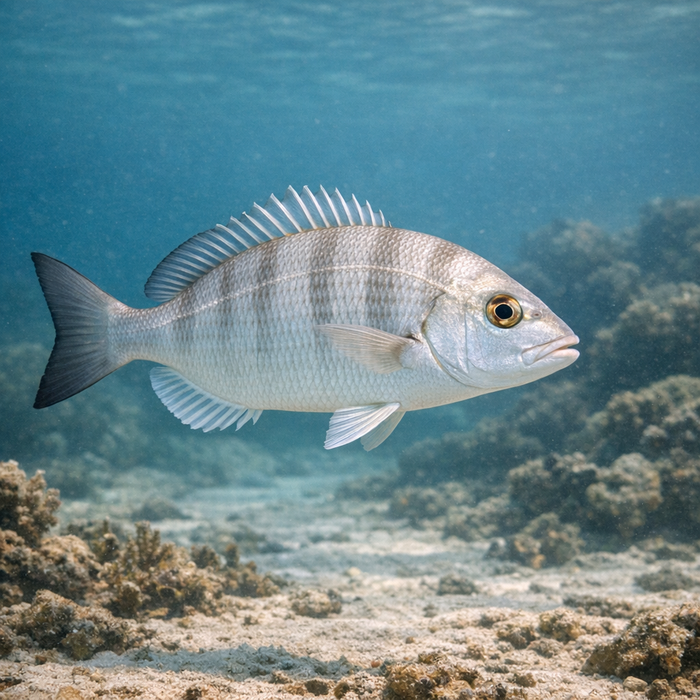
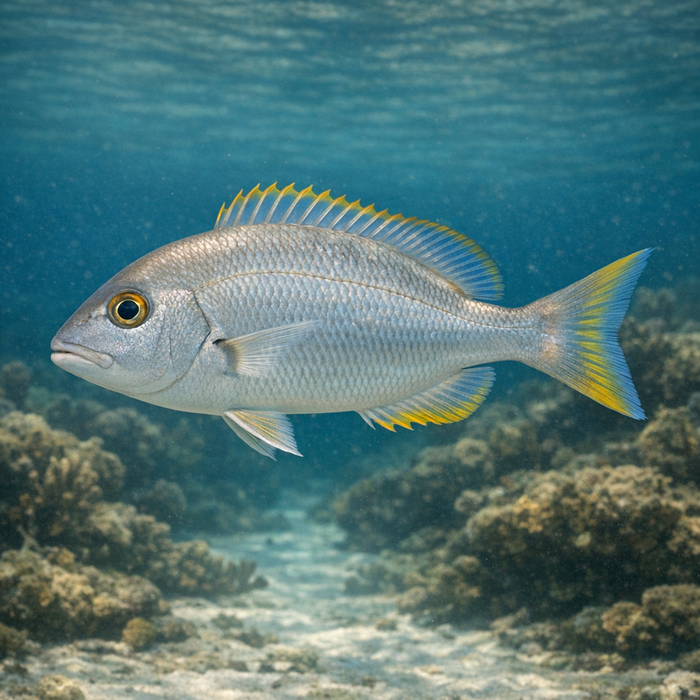
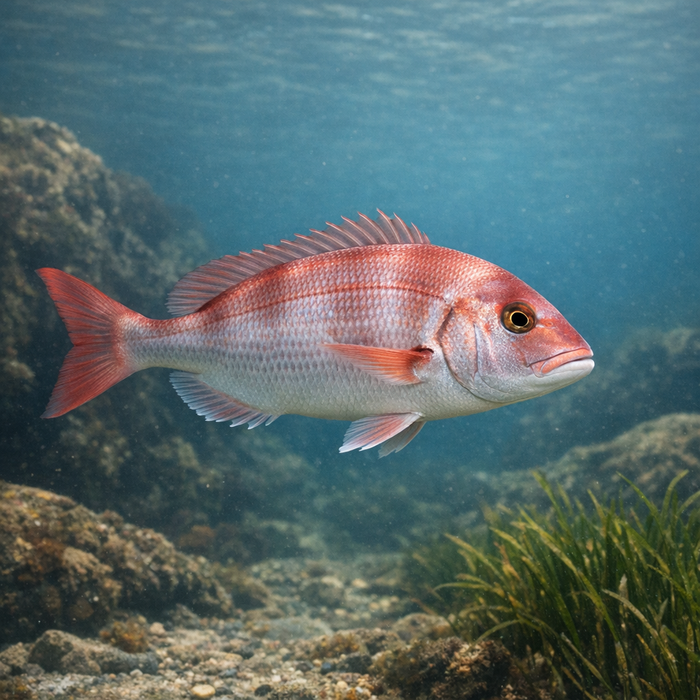
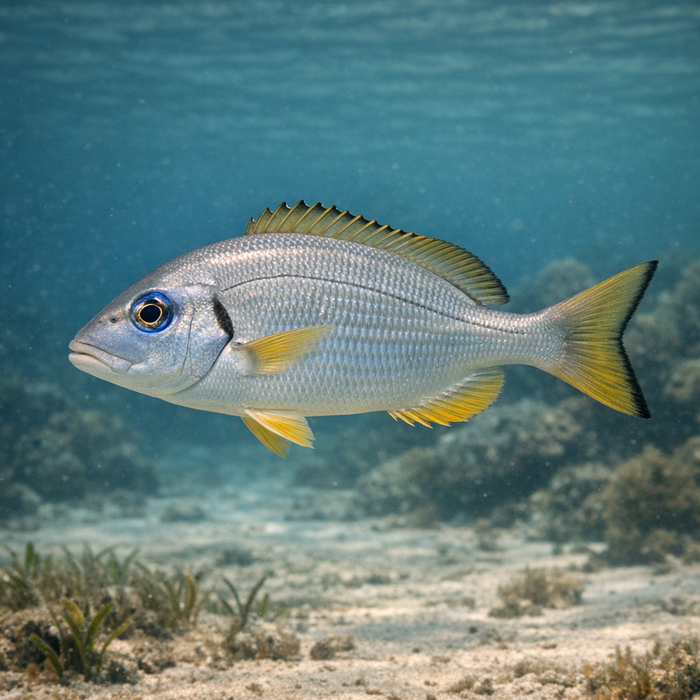
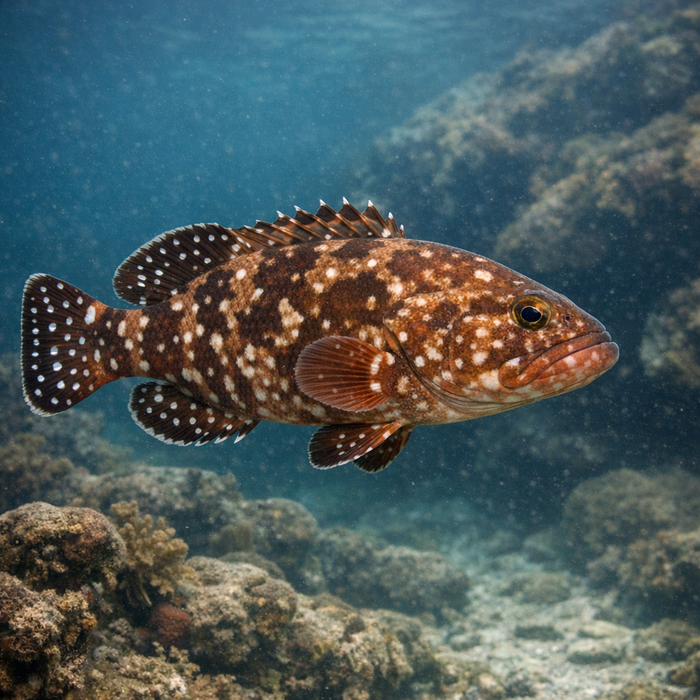
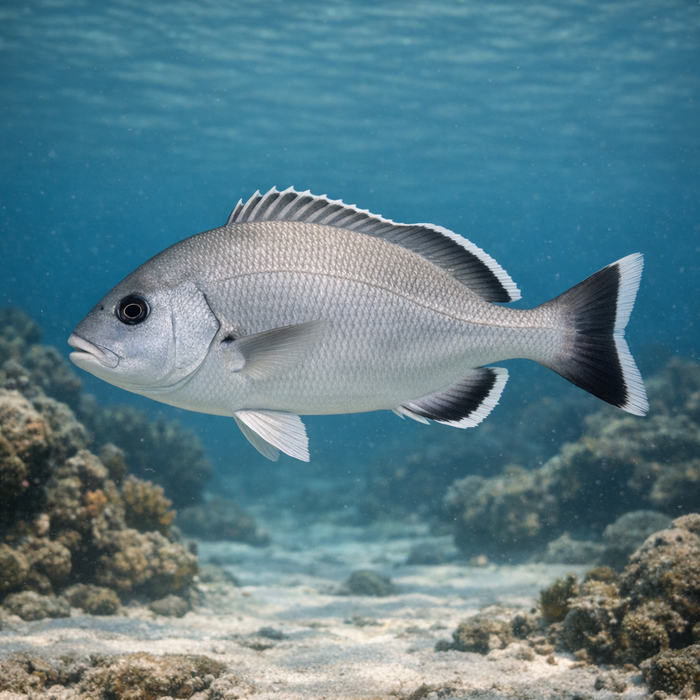
Jolthead Porgy (Calamus bajonado): Orange-Mouthed Reef Bruiser With Molars Built For MayhemIntroductionMeet the reef's shell-crushing specialist. The jolthead porgy is the big-bodied, orange-mouthed porgy that makes bottom rigs shiver. It's not famous like snapper or glamorous like grouper, but put one on your line and you'll respect the torque. If you're hunting Jolthead porgy facts or trying to decode Jolthead porgy habitat, you're in the right coral canyon.What Makes the Jolthead porgy Unique?Two things: the mouth and the mug. Joltheads sport thick lips and a bright orange mouth interior, backed by serious molar plates that pulverize urchins, crabs, and thick-shelled clams. Up front, a bluff, blocky forehead gives the fish its name and a permanently determined look. Among Western Atlantic porgies, this is the bruiser, routinely outweighing its calamus cousins and showing up deep on ledges where the groceries are tough and crunchy.Habitat & Global RangeThe jolthead porgy works the Western Atlantic circuit from the Southeast U.S. through the Gulf of Mexico and all over the Caribbean. It prefers structure: coral heads, limestone ledges, rocky reef patches, and wrecks. Depth is flexible, from modest nearshore hard bottom to offshore ledges well past recreational snorkel range. You'll often find joltheads posted on the edge: where clean current scrubs rough bottom and bait has to make hard decisions. This is prime Jolthead porgy habitat, and it's where your sinker should live.Behavior & TemperamentCall it a patient bruiser. Joltheads don't sprint around the water column. They hold tight to structure, scan with those coppery eyes, and hammer baits with a decisive thump. Their bite is determined, not delicate, and once hooked they dive straight for the bricks. They feed in windows when current carries scent and forage, and bigger fish often stage deeper and a bit off the main reef traffic. Schooling happens, especially around spawn season, but many keep modest company-just enough to compete without broadcasting their hideout.Ecological ImportanceThat beak-and-molar setup isn't just for show. Jolthead porgies recycle shells into sand and move energy from the invertebrate buffet up the food chain. By raiding urchins and hard-shelled critters, they help keep reef grazers and cleaners in balance. They're a link fish-gluing micro-habitats together by roaming between coral heads, sand patches, and rubble lines where life is thick and crunchy.Conservation & Environmental PressuresThe species is generally considered stable, but reefs are not. Habitat loss, coral degradation, and water quality issues can kneecap local numbers. Heavy bottom pressure around tourist hubs can shift size structures smaller. Responsible harvest, barotrauma awareness on deeper fish, and basic reef etiquette all help. Keep in mind that some regions set reef-fish rules by groups, so jolthead porgy often rides alongside snapper, grouper, and other porgies in the regs.The FishyAF TakeThe jolthead porgy is blue-collar reef muscle with a tangerine grin. It rewards good bottom contact, clean knots, and the courage to fish where tackle goes to die. If you like honest fights, crunchy diets, and fillets that play nice in a hot pan, put joltheads on your list. They won't win beauty pageants, but down on the ledge, they're the fish that clocks in and gets it done.