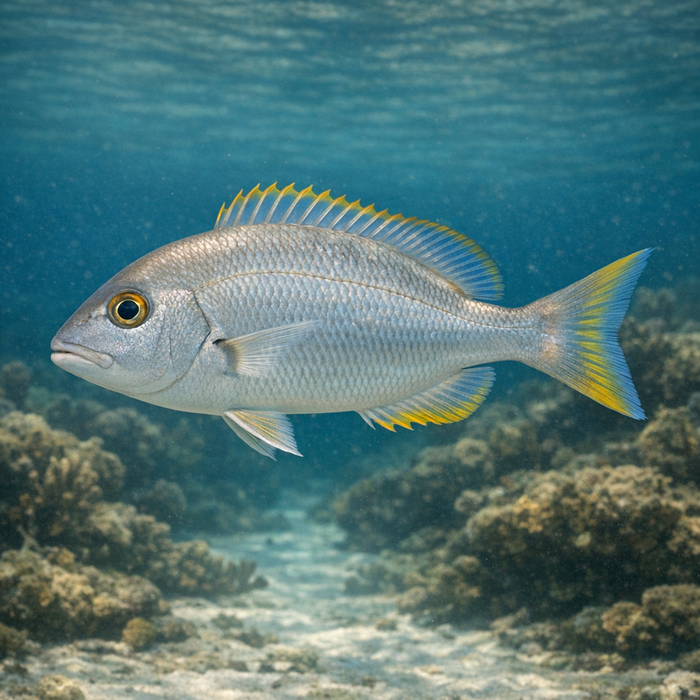
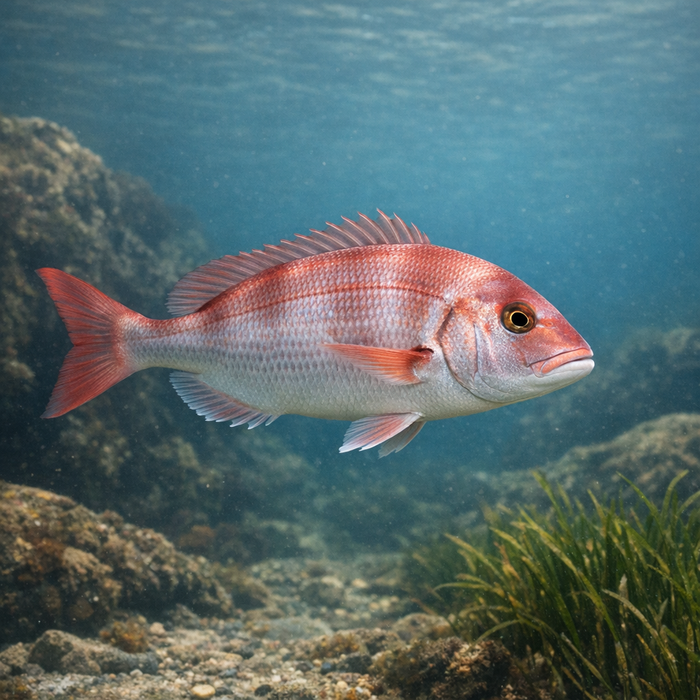
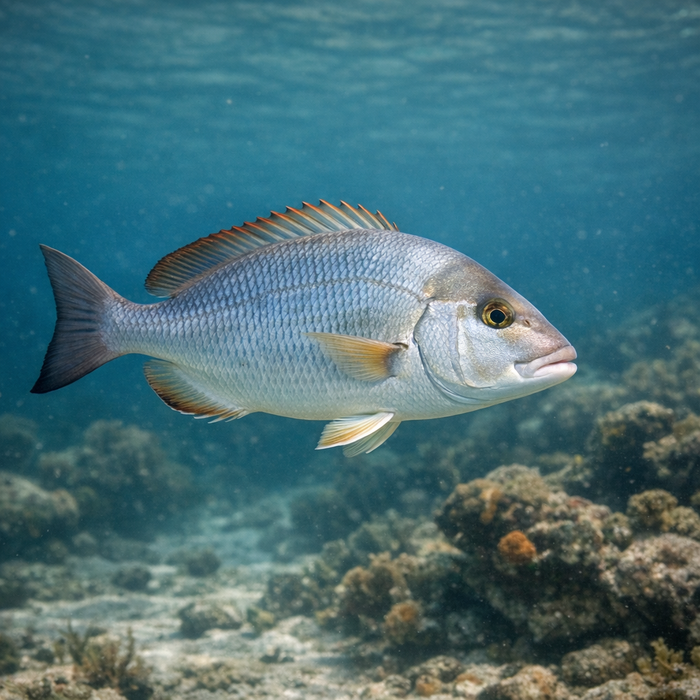
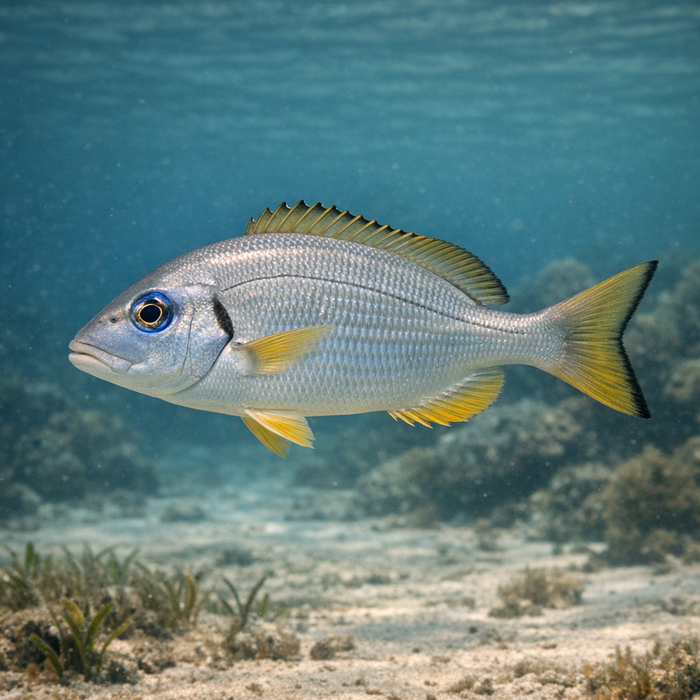
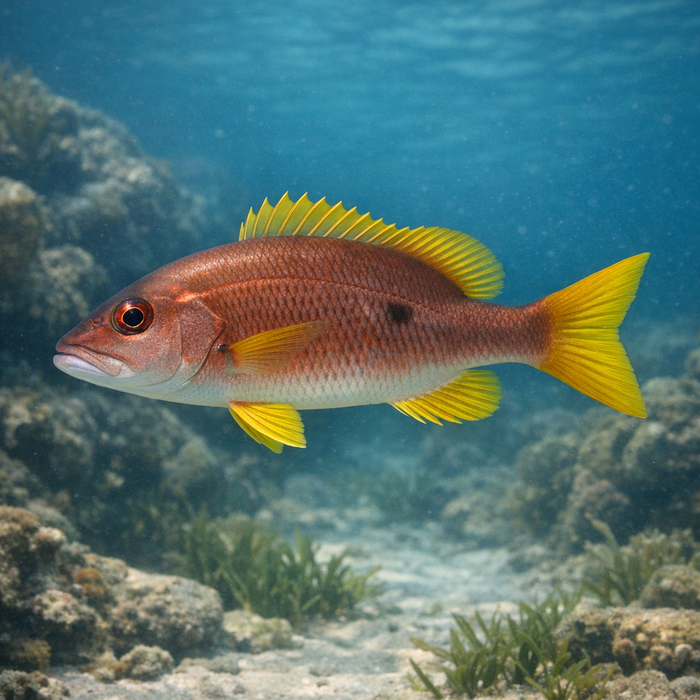
Whitebone Porgy (Calamus leucosteus): A Bold, Memorable Hook LineIntroductionThe whitebone porgy is the sneaky reef grazer that turns shrimp into confetti and clams into dust. It's not flashy like a mahi or headline-grabbing like a grouper, but this deep-bodied scrapper is the backbone of many reef days when everything else gets finicky. If you want steady action, honest fillets, and a fish with surprising attitude, the whitebone porgy delivers.What Makes the Whitebone Porgy Unique?Start with the mouth. Whitebone porgy sport thick pharyngeal "molars" designed to crunch armored snacks-urchins, snails, crabs, you name it. That crushing gear is serious, and it's what sets this species apart even among porgies. Add in faint turquoise lines on the snout when they're fired up and an ivory-toned skeleton that lends the "whitebone" moniker, and you've got a fish that's easy to ID with a little practice. For anglers, the magic is reliability: when current hits structure and bait sinks to bottom, whitebone porgy often beat the pack to your offering.Habitat & Global RangeWhitebone porgy habitat reads like a who's-who of crunchy bottom. Think rocky reefs, limestone ledges, patch reefs, shell rubble, and nearshore hardbottom-usually in 40 to 200 feet, but sometimes shallower on clean, lively substrate. They are common along the Southeast U.S., Gulf Coast, and into the Caribbean, often mixing with other Calamus species. They orient to relief and current seams, slipping in and out of structure to feed. If you're puzzling over Whitebone porgy habitat during a slow bite, slide to a ledge face or a patch of broken rock where crabs and mollusks have nowhere to hide.Behavior & TemperamentThis fish is a bottom-focused opportunist with sharper table manners than you'd expect. Whitebone porgy peck and pull at baits, often stacking up in small groups where current delivers groceries. They aren't bulldogs, but on light tackle they give a clean, pulsing fight with headshakes that feel bigger than the fish. Feeding windows tend to pop with tide and current-enough flow to lift scent and bounce small prey out of cover. They roam edges and irregularities more than open flats, and shifts in current speed or direction can shuffle the school. Watch for the classic porgy move: two taps, a pause, then steady weight.Ecological ImportanceWhitebone porgy are the shell-crushers on the cleanup crew. By hammering hard-shelled invertebrates and digging into crevices, they help check populations that would otherwise overrun algae and turf. They, in turn, are prey for larger predators like amberjack and grouper. That middle link matters. Healthy whitebone populations usually signal diverse, functioning benthic communities, the kind that make reefs more than just pretty rocks.Conservation & Environmental PressuresWhile not front-page endangered, whitebone porgy still ride the same rollercoaster as other reef fish: habitat loss, water quality issues, and heavy mixed-species pressure. Because they're often part of broader reef-fish complexes in regulations, misidentification and bycatch handling can muddle data. Strong currents and depth mean barotrauma is a concern when moving around the reef. Smart anglers carry descending devices, mind their bag rules, and treat small fish like tomorrow's groceries.The FishyAF TakeThe whitebone porgy may never top a bucket list, but it should anchor your plan B. When the marquee fish sulk, whitebones clock in and go to work. They reward a tidy rig, fresh bait, and an eye for structure-no drama, just bites. If you're chasing Whitebone porgy facts, here's the one that sticks: they make slow days good and good days great. And when you want a simple dinner that doesn't fight back on the cutting board, this is the reef's reliable, crunchy-mouthed MVP. Consider this your quiet cheat code for consistent reef action-whitebone porgy, doing the blue-collar stuff that fills coolers and stories.