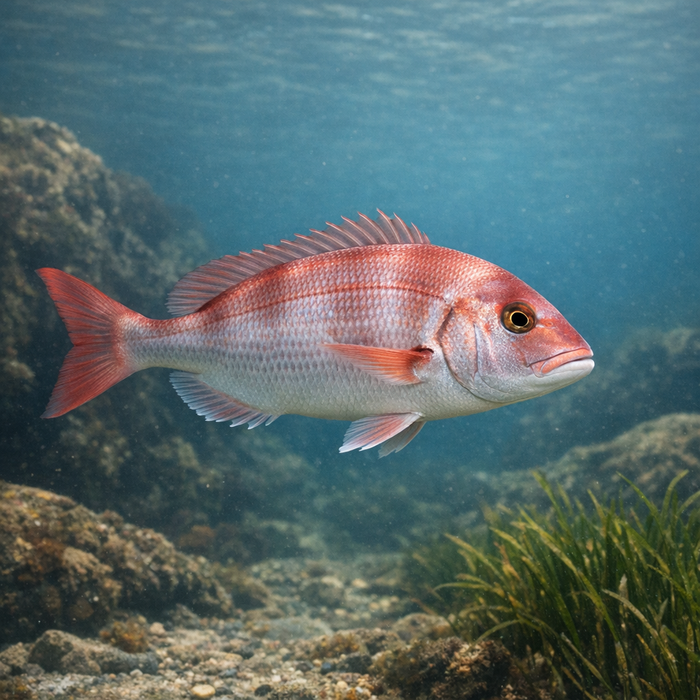
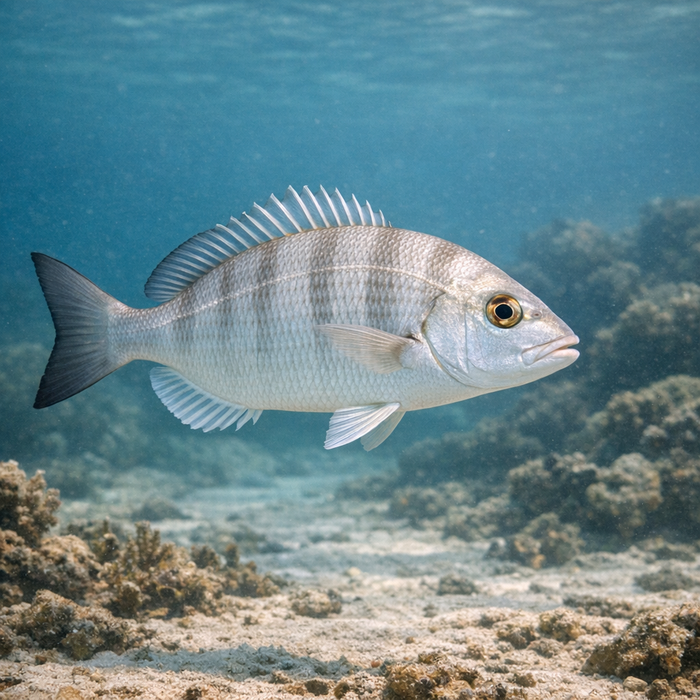
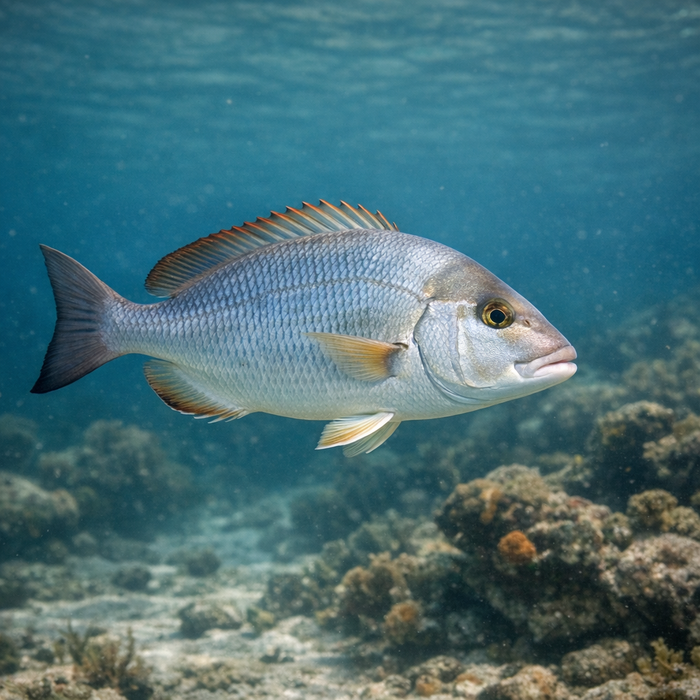
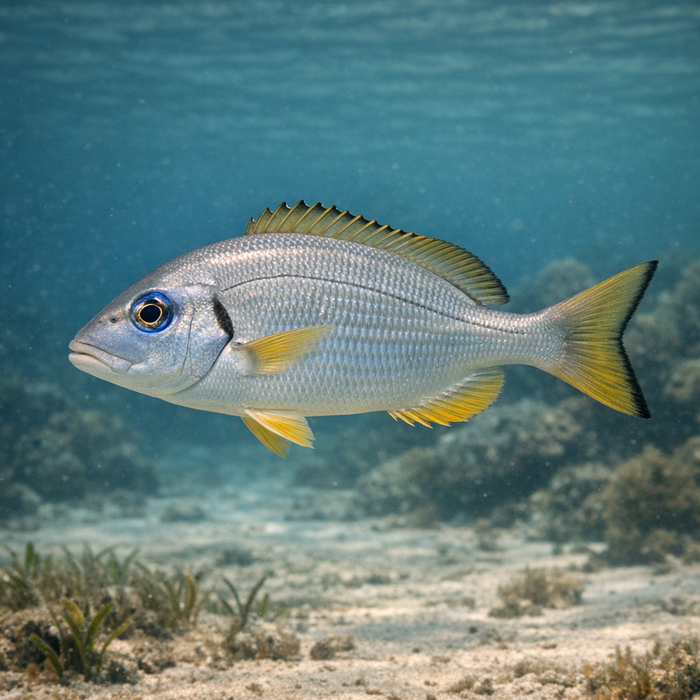
Pluma porgy (Calamus pennatula): A Bold, Memorable Hook LineIntroductionIf you fish reefs in the Caribbean or the Keys and hear crunching in your cooler, that's probably a pluma porgy making short work of leftovers. This compact reef bruiser won't win any big-game trophies, but it delivers a clean fight, a clean fillet, and a crash course in precision bottom fishing. Consider it the reef's discerning food critic: picky about presentation, ruthless on shellfish, and absolutely worth your time.What Makes the Pluma porgy Unique?Two things set the pluma porgy apart from its Calamus cousins. First, those feathery dorsal fin filaments that inspired both its common name and its scientific epithet pennatula. They give bigger fish a windswept look you don't forget. Second, the business end: powerful pharyngeal plates designed to grind through urchins, crabs, and snails. Plenty of porgies crunch shells, but the pluma's jaw power feels out of proportion to its size. When you're sorting "Pluma porgy facts," start there: style and bite.Habitat & Global RangeThe pluma porgy lives the structure life. Think patch reefs, low-relief coral gardens, rubble edges, spur-and-groove channels, and the skirt of shallow wrecks. You'll encounter them from the Florida Keys and Dry Tortugas across the Bahamas and throughout the Greater and Lesser Antilles, with a footprint into the southern Gulf and the Caribbean coast of Central America. In short, classic Pluma porgy habitat is anything craggy, calcareous, and crawling with crustaceans in 20 to 150 feet. Juveniles hover near grass and sand mosaics. Grown fish keep it tight to edges where they can nip, pick, and dart.Behavior & TemperamentPluma porgies aren't bulldogs. They're pickers with opinions. Expect quick taps, short inspections, and sudden ghosting if something feels off. They regularly graze in small, loose groups, often mixing with saucereye and littlehead porgies. Their daily routine is honest: daylight feeders that perk up with moving water and chill when current fades. Hook one and you'll get a determined, head-shaking arc for bottom-enough to matter on light tackle, not enough to pull your back out.Ecological ImportanceThese fish are mid-level predators that keep small invertebrates honest, especially urchins, snails, and small crabs. That crunching role matters. Balanced porgy pressure keeps reef lawns healthier, frees up settlement space for corals and sponges, and funnels energy upward to snappers, groupers, and toothier project managers. Because pluma porgies aren't top dogs, they also feed a long list of larger reef hunters, transferring crustacean calories into bigger fish and cleaner reefs.Conservation & Environmental PressuresThe pluma porgy is generally considered stable, supported by broad Caribbean habitat and modest fishing interest. Still, reef life is a package deal. Habitat loss, coral disease, warming events, and water quality issues chip away at the structure these fish need. Localized overfishing of mixed reef species can also thin out bigger pluma age classes. Most jurisdictions manage porgies inside broader reef-fish frameworks. That, paired with their modest size, has kept pressure in check. Watch the habitat; the fish will follow.The FishyAF TakeThe pluma porgy is the reef's truth serum. If your rig is clunky, your bait ragged, or your leader too visible, it'll tell you-fast. Nail a clean presentation with live shrimp or a tiny crab, and they pay up with steady action and prime fillets. The pluma porgy won't headline your vacation slideshow, but it just might save your slow day and teach you to fish smarter along the way. When someone asks for practical Pluma porgy facts, give them this: finesse the small stuff, fish the edges, and respect the crunch.