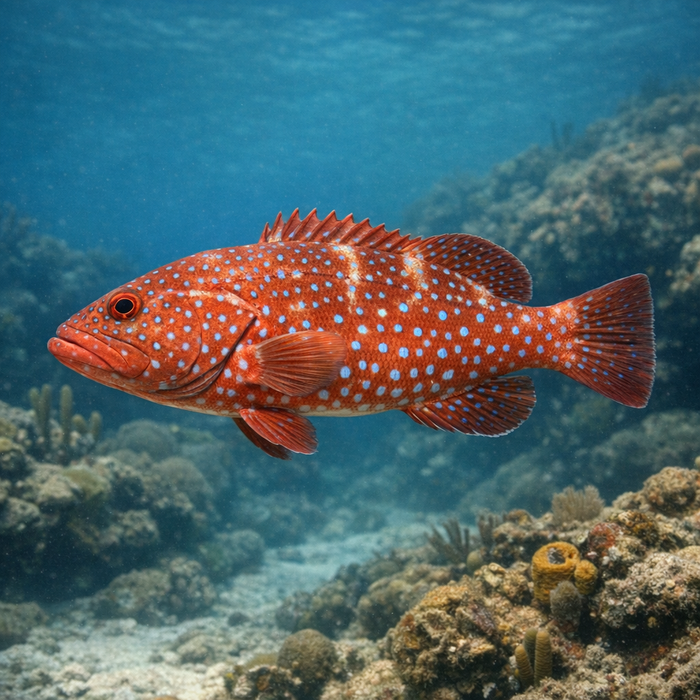
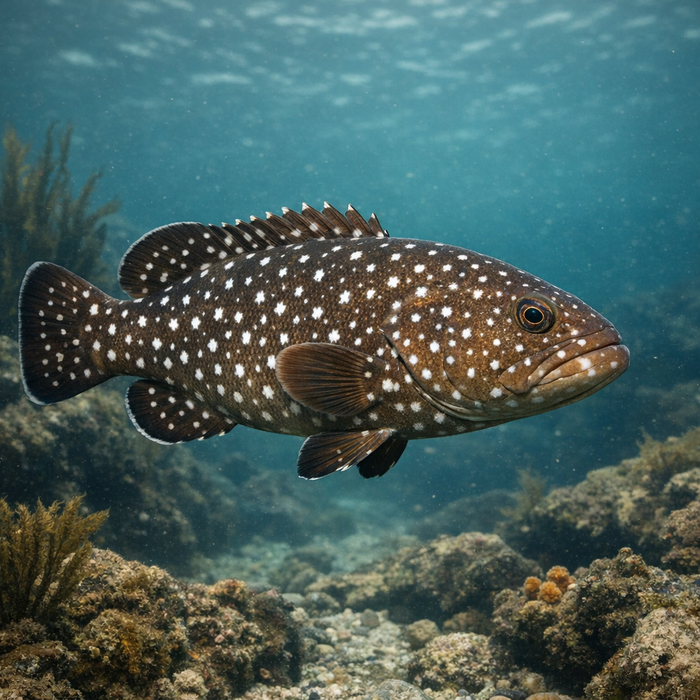
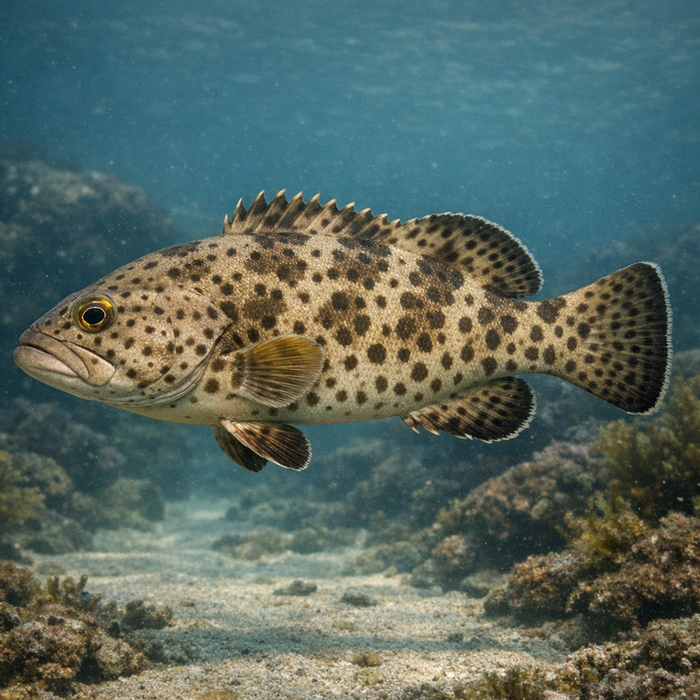
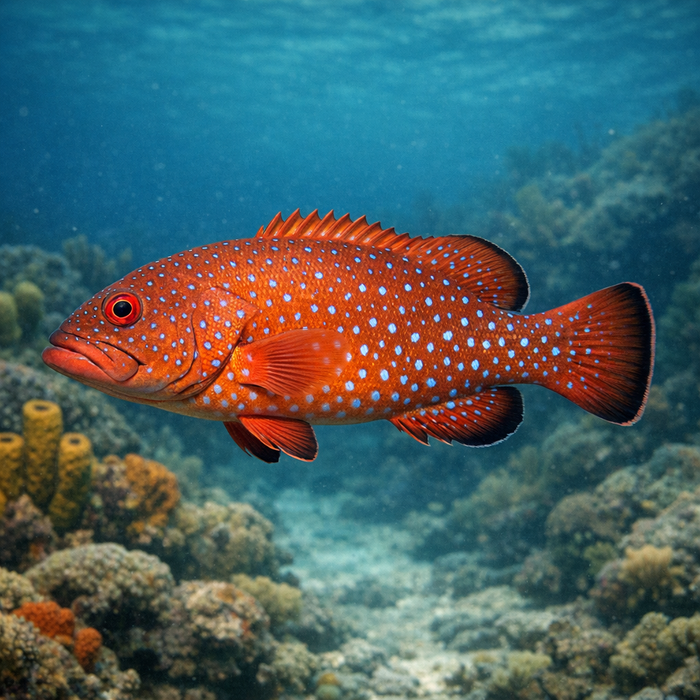
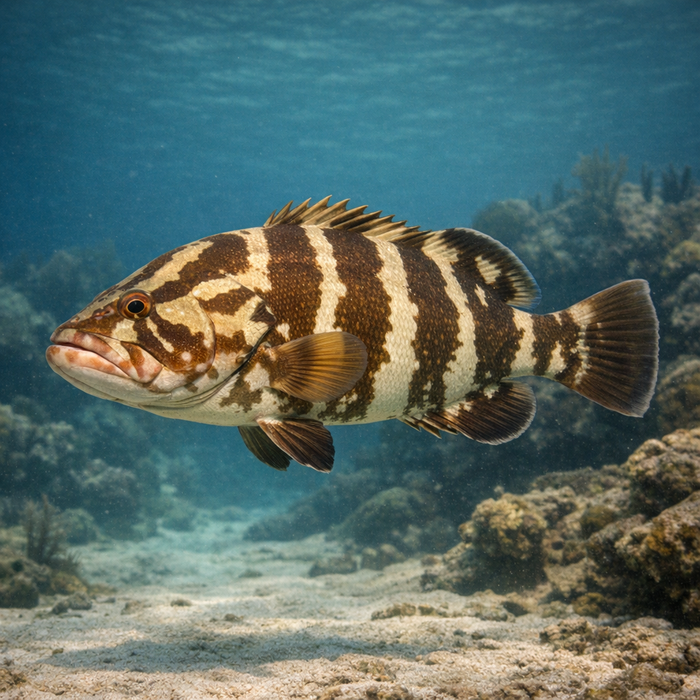
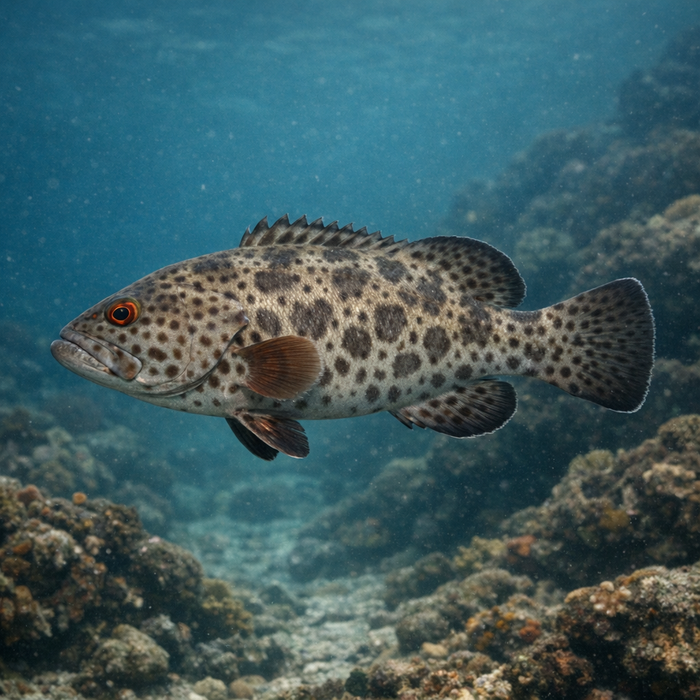
Comb Grouper (Mycteroperca acutirostris): Pocket-Sized Grouper With a Heavyweight AttitudeIntroductionThe comb grouper is the scrappy little cousin in a famously brawny family. It does everything the big boys do-ambushes, suction strikes, and structure-hugging power plays-just in tighter quarters and at a friendlier size. If you like fast hits, shallow reefs, and a fight that tries to brick you in a hole, the comb grouper delivers. Consider this your quick course in Comb grouper facts, without the textbook yawn.What Makes the Comb grouper Unique?Two things stand out. First, proportions. The comb grouper is compact and deep-bodied, built like a short stack of muscle perfectly shaped for disappearing into crevices. Second, it color-shifts like a mood ring. One moment it's freckled chocolate, a heartbeat later it blanches to pale cream to melt into limestone. That shape-shifting, combined with a sharply tapered snout-what acutirostris literally means-lets it ambush in ridiculously shallow, surgy water where other groupers don't dare linger. It may not win length contests, but pound for pound the attitude is all grouper.Habitat & Global RangeWhen anglers ask about Comb grouper habitat, the answer is simple: rock and relief. This species leans on shallow reefs, patch reefs, rocky headlands, jetty bases, and nearshore wreckage. Think 10 to 80 feet, sometimes even shin-deep pockets if the surge isn't murderous. Its range sweeps much of the tropical to subtropical western Atlantic, including the Caribbean, Bermuda, and down the Brazilian coast. That distribution puts it in reach for shore-based anglers near quality structure as well as small-boat crews who work the first line of reef.Behavior & TemperamentLike all respectable groupers, the comb grouper is a structure addict. It stakes out a nook that offers a steady conveyor of snacks riding the current. The strike is classic grouper physics: flare the gill covers, drop the floor of the mouth, and vacuum the bait straight in. Hook one, and the first move is always toward home. It will try to brick you immediately, so short pumps and locked drags matter. Despite its small stature, it is not timid; it just trades marathon runs for quick, dirty leverage. Dawn and dusk see sharper feeding windows, especially with moving water. Solo ambushes are the norm, but you can find loose clusters around productive ledges.Ecological ImportanceThe comb grouper fills the mid-level predator niche on shallow reefs. It prunes small reef fishes and invertebrates, culling the careless and giving space for coral recruits to grow. That role is bigger than it seems. On reefs where mid-sized predators vanish, algal grazers get hammered or explode unchecked, both of which wobble the system. This fish is also prey for larger groupers, snappers, and sharks, which makes it a key cog in the energy shuffle from reef to open water.Conservation & Environmental PressuresWhile not the poster fish for global campaigns, the comb grouper still deals with familiar reef problems: coastal development silt, coral loss, and intense nearshore fishing pressure. Small groupers are easy targets for spearfishers on clear days, and they inhabit the same high-traffic jetties and patches that weekend anglers love. Because it matures small, it can bounce back faster than larger groupers, but only if enough structure remains intact and fishing stays measured. Local regulations vary widely by country and even by island, so smart anglers check the rules before dropping a bait.The FishyAF TakeThe comb grouper is proof you don't need a 50-pounder to have a proper reef brawl. It's a gateway grouper: shallow, visual, and stubborn as a cinder block once hooked. Fish tight to relief, expect a thump, then hang on for the first three seconds that decide everything. If you want a species that rewards precise drops and fast reflexes without hauling you into the deep, the comb grouper is your huckleberry. It's also a perfect species to teach structure fishing discipline. Miss a pump, give an inch, and it will school you. Small fish, big personality-exactly our kind of trouble.