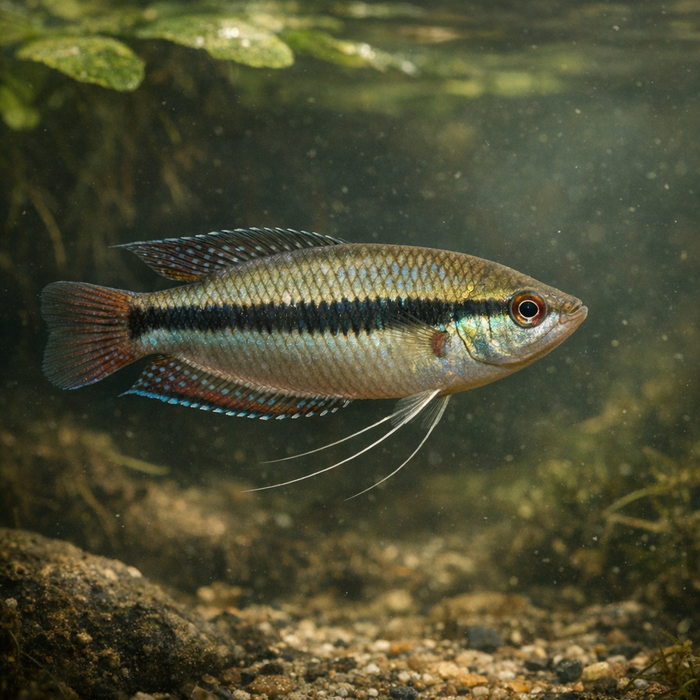
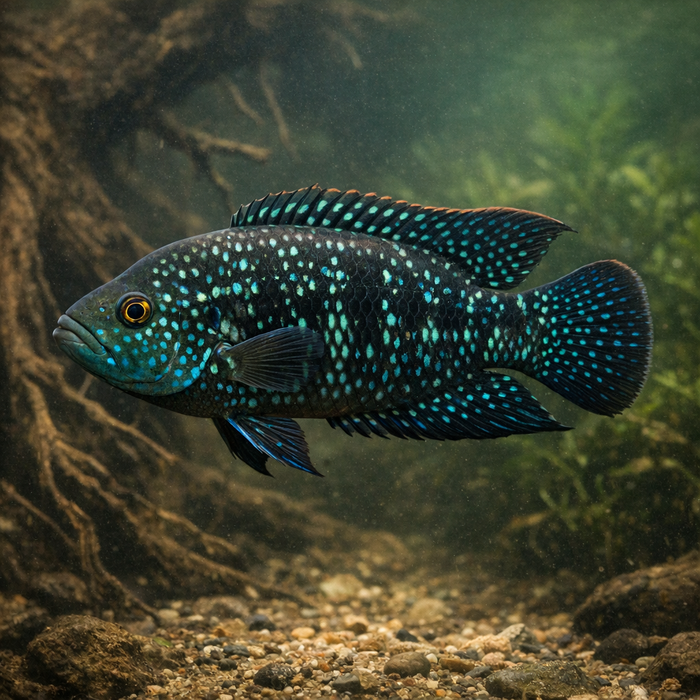
Sooty Grunter (Hephaestus fuliginosus): Built Like a Bream, Fights Like It Owes You Money
The first mistake is judging this fish by its length. The second is letting it reach the timber. Sooty Grunter pack serious resistance into a deep, muscular freshwater body, turning accurate casts into short, untidy arguments beside rocks and submerged branches. Their appeal is straightforward: aggressive lure takes, demanding country, and enough attitude to make ordinary tackle feel suddenly optimistic. Regional fishing guidance treats that first surge toward cover as the moment that matters. Win there, and you have a chance. Lose there, and enjoy inspecting your leader.
What Makes the Sooty Grunter Unique?
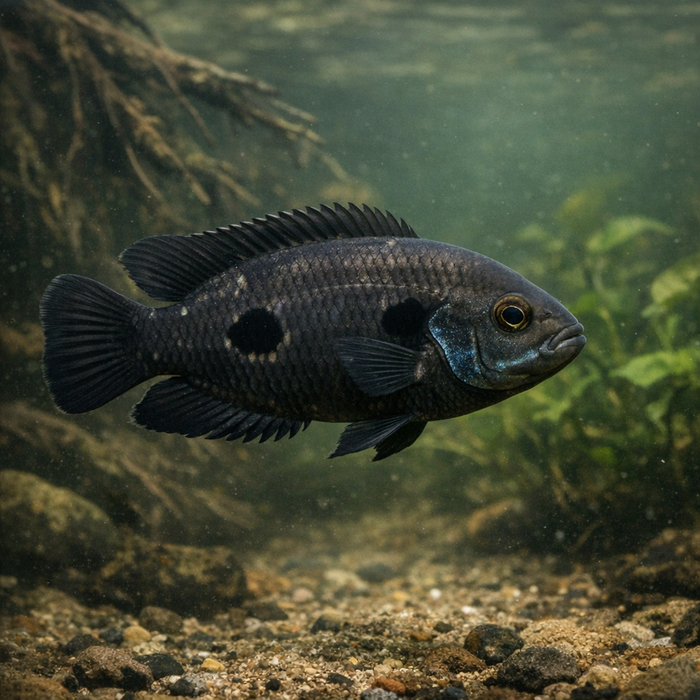
Start with the face. Some large individuals develop conspicuously thick, fleshy lips, earning the wonderfully unsubtle nickname blubberlips. Their appearance also changes with age: juveniles carry dark blotches on the anal and soft dorsal fins, while some fish show golden patches against an otherwise brownish-grey to nearly black body. This is not one perfectly uniform charcoal-coloured fish wearing different sizes of the same suit.
Then consider the environmental tolerance. Among the more impressive Sooty Grunter facts are reported tolerances extending to acidic water around pH 4 and temperatures between 12°C and 34°C. Those are documented biological bounds, not a promise that fish feed enthusiastically at either extreme. Add an omnivorous menu that includes palm berries and plant roots alongside animal prey, and the supposedly straightforward lure bruiser becomes considerably more interesting.
Habitat & Global Range
The species belongs to northern Australia, with the core documented distribution extending from the Daly River in the Northern Territory to Queensland’s upper Burdekin. Large freshwater streams, rocky bottoms, and flowing water feature prominently in its natural habitat. For anglers, that means looking beyond the prettiest pool and asking where current, shelter, and a defensible holding position meet.
Stocked impoundments add another dimension to Sooty Grunter habitat. Eungella and Teemburra are established Queensland destinations where standing timber creates very different fishing from a rocky river run. Here, the important feature may be submerged well below the surface rather than conveniently visible beside your boots. Official stocking listings include both waters, while regional guidance highlights timber, rock, weeds, and flowing water as useful places to concentrate effort. Structure matters more than postcard appeal.
Behavior & Temperament
A willing lure taker is not automatically an easy fish. Sooty Grunter can accept surface presentations, diving minnows, spinnerbaits, soft plastics, and flies, but the delivery still matters. A lure passing close to shelter offers a different opportunity from one swimming through open, featureless water. Their reputation comes partly from what happens after the bite: hooked fish quickly seek the same cover that made them attractive targets in the first place.
Light changes the practical approach. Around Mackay, surface lures are recommended early, with deeper presentations becoming useful as the sun climbs. Shaded bends and bank overhangs deserve attention in rivers, especially when recent rain has refreshed flows. Treat those observations as local fishing guidance rather than a universal timetable. Read the actual water before letting yesterday’s successful retrieve become today’s stubborn habit.
Ecological Importance
This fish connects more than one food pathway. Eating aquatic animals as well as plant material means it participates in both animal-based and plant-based freshwater food webs. Palm berries and terrestrial insects also connect feeding opportunities to what happens along the bank. That makes the surrounding vegetation part of the ecological picture, not merely something that catches your backcast. Its broad diet is a reminder that an aggressive lure strike does not make a species exclusively carnivorous.
Reproduction links populations to seasonal water conditions. Warm water and wet-season flows influence spawning, and observations describe breeding aggregations in shallow water beside riffles or rapids. Regional research also documents movements associated with breeding. A river therefore needs more than somewhere for adults to sit: connected habitats and suitable seasonal conditions help complete the life cycle. Protecting only the pool where anglers catch the biggest fish misses part of the story.
Conservation & Environmental Pressures
Sooty Grunter are classified as Least Concern. That is reassuring, but it is not permission to treat every population as interchangeable or every catchment as invulnerable. A widespread species can still depend on particular local conditions, and a healthy stocked fishery does not automatically describe the condition of nearby wild populations. Keep the conservation label in perspective rather than mistaking it for ecological armour.
For anglers, the useful response is practical: respect access restrictions, follow current harvest rules, and avoid moving fish or live bait between catchments. Queensland specifically restricts using freshwater fish and crustaceans outside their natural environment or range because translocations can establish unwanted populations. Stocking belongs inside approved management arrangements, not in a bucket beside someone’s ute. Good intentions do not make an unauthorised release harmless.
The FishyAF Take
Sooty Grunter deserve better than consolation-prize status. They make an excellent case for measuring a fishing experience by the cast, the strike, and the decisions that follow—not simply by the longest fish on the brag mat. Our verdict: stop apologising for targeting them. Pick interesting water, take accurate casting seriously, and leave the species snobbery at home. A fish does not need a glamorous marketing department to justify your attention.