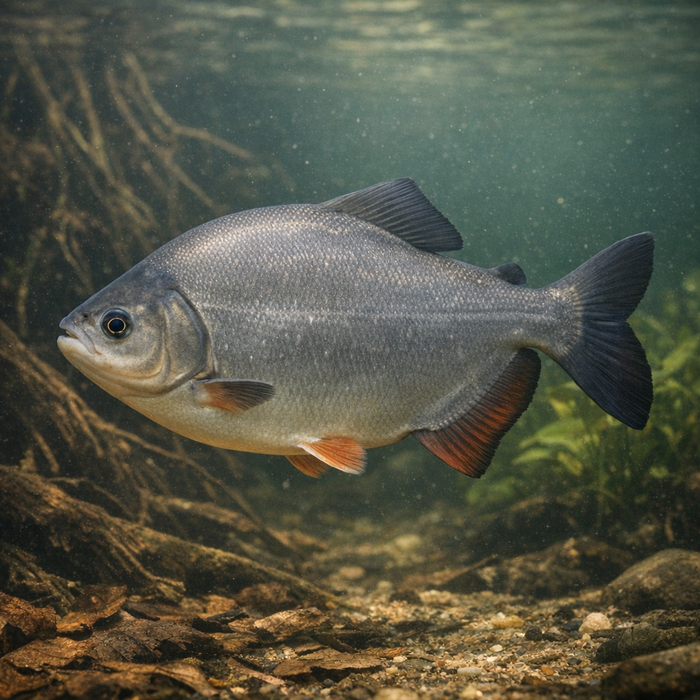
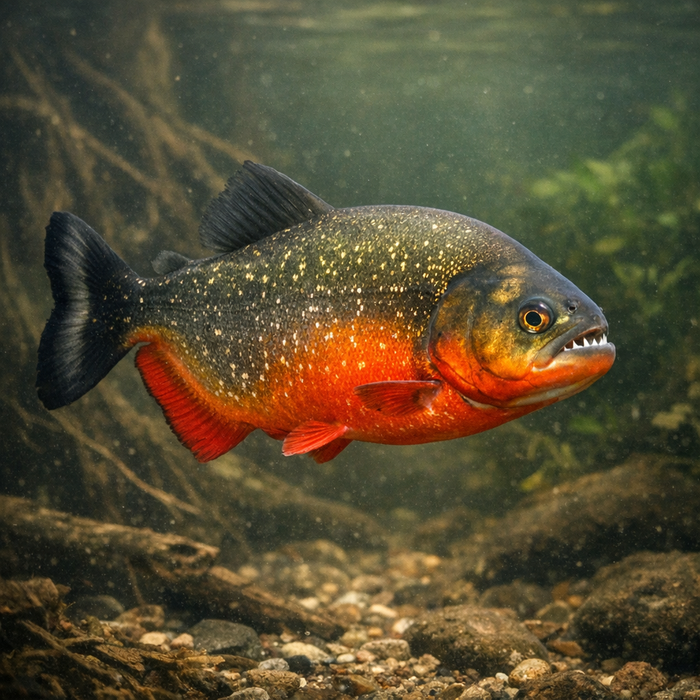
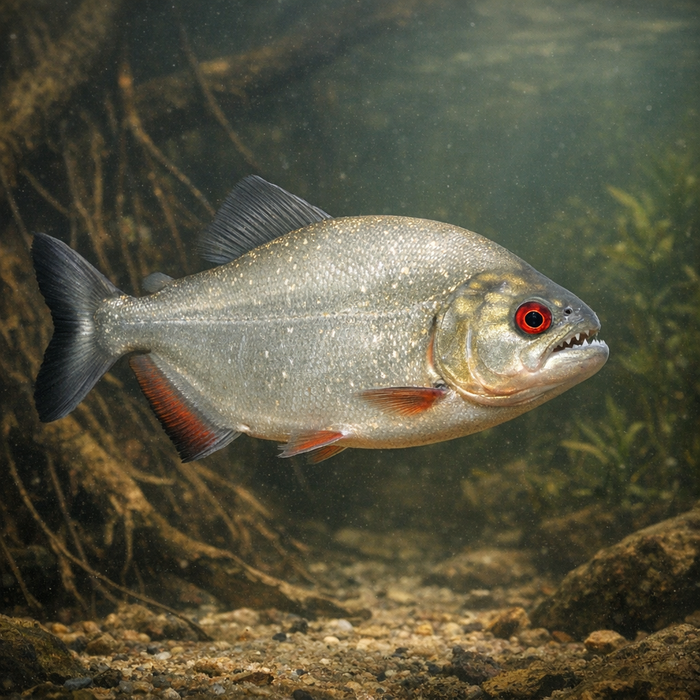
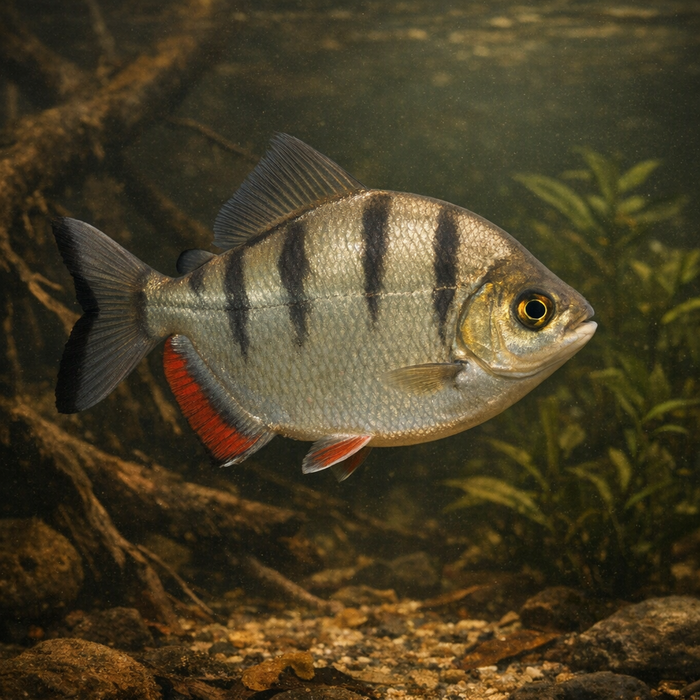
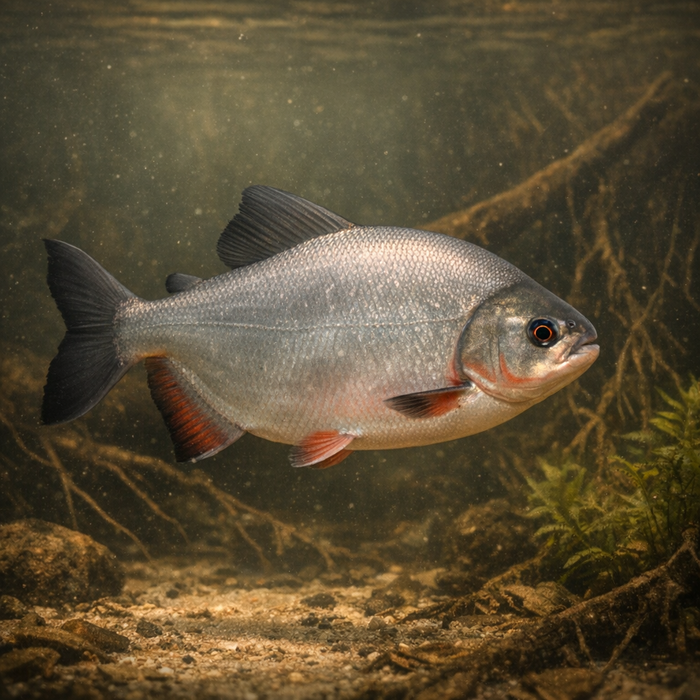
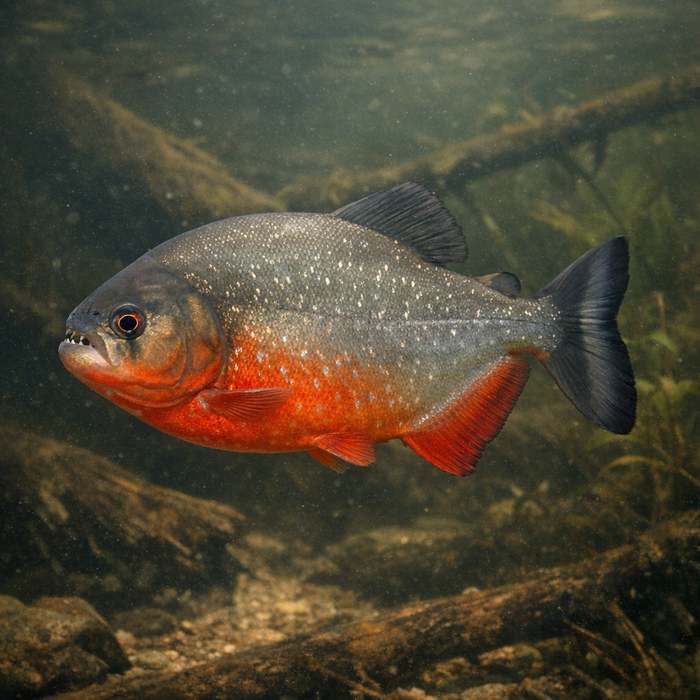
Cachama (Colossoma macropomum): A Bold, Memorable Hook LineIntroductionIf a bulldog and a nutcracker had a finned cousin, it would be the cachama. This Amazon floodplain bruiser smashes fruit, bulldozes through timber, and then rips line like it's trying to leave the postal code. It's prized table fare, a powerhouse on medium gear, and the poster child for flood-pulse life. If you came here for Cachama facts that matter to anglers, buckle up.What Makes the Cachama Unique?Two things: the jaws and the job. Cachama have molar-like teeth and pharyngeal crushers built to pulverize palm nuts and tough fruits, a diet that would destroy lesser fish. That hardware turns into real-world leverage when you're trying to keep a hooked fish out of flooded brush. Second, they're seed couriers. By inhaling fruit whole and dropping viable seeds miles away, cachama help replant the Amazon. Hook one and you're momentarily connected to the forest's recycling system.Habitat & Global RangeCachama habitat is the floodplain maze: tannin-stained channels, drowned forests, and backwater lagoons across the Amazon and Orinoco basins. In high water, they push into the treetops like underwater fruit bandits. As levels fall, they slide back toward main channels, confluences, and deeper lakes. You'll also see them in reservoirs and aquaculture ponds, sometimes under the same name or as tambaqui. For traveling anglers, consider blackwater tributaries where visibility is tea-colored and snags are relentless. That's home field.Behavior & TemperamentThey're not glide-and-gulp predators. Cachama feed by scent and sound, homing in on plops and thuds of falling fruit. They'll graze near bottom or rise to sip floating baits, often in loose groups. Despite the salad-bar diet, they fight dirty: short, brutal runs, sideways leverage, and a talent for sawing your line across anything woody. Quiet approaches matter. Splashy casts and heavy boat noise can send them sliding off the bite window.Ecological ImportanceCachama connect trees to channels. They swallow whole fruits, carry seeds across the floodplain, and deposit them where currents or floods can spread them further. That makes them a keystone for forest regeneration and a living answer to the classic "who plants the next forest?" question. Juveniles filter zooplankton, then graduate to fruit and nuts as gill rakers and crushers develop. Few fish shift diet machinery so dramatically as they age.Conservation & Environmental PressuresWild stocks have taken hits from overfishing, habitat loss, and altered flood regimes. They're listed as Near Threatened in several assessments. The flip side: cachama are a major aquaculture success, easing some pressure on wild fish but muddying the waters on records and provenance. For anglers, it means one trip could target wild, migratory fish in a blackwater river while another chases stocked bruisers in a pay lake. Treat wild fisheries like the gem they are: quick photos, good handling, and local regs checked carefully.The FishyAF TakeThe cachama is proof you don't need fangs to be ferocious. It's a vegetarian heavyweight that wrecks tackle indiscriminately and then tastes absurdly good on a grill. Fish tight to the wood, keep it quiet, and respect the flood pulse that fuels this fishery. Learn the fruiting calendar and you'll understand more than just where bites happen; you'll understand why the whole system works. For anglers chasing something different with real teeth and real consequence, the cachama delivers.