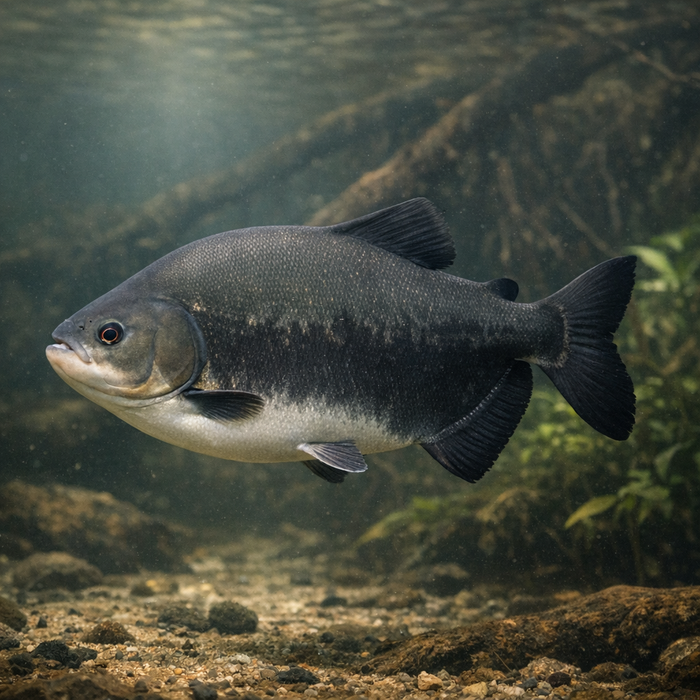
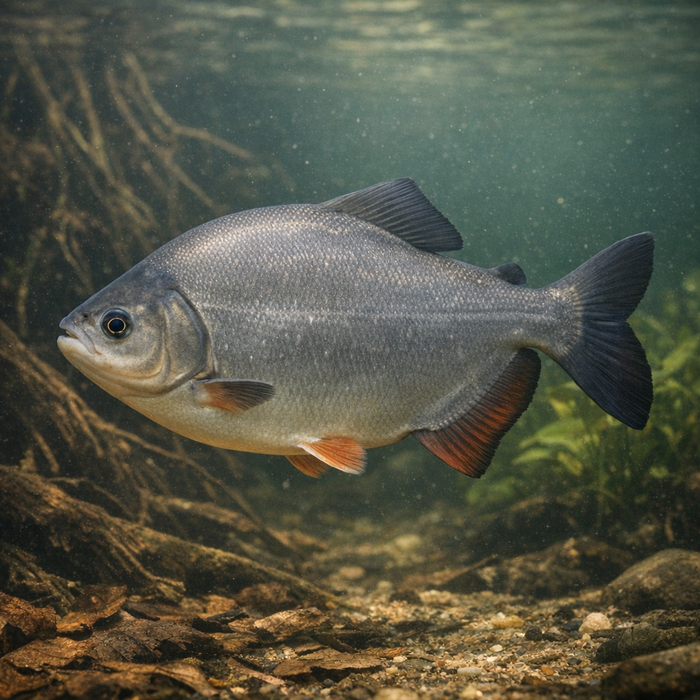
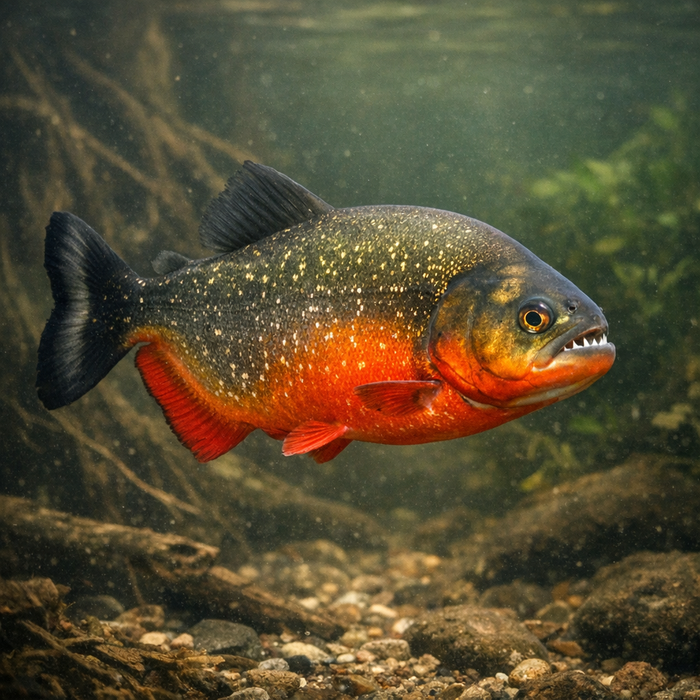
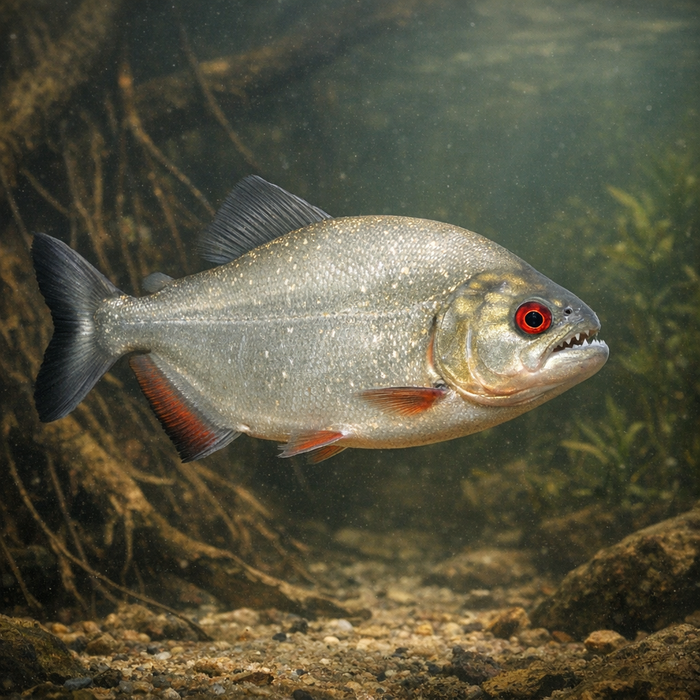
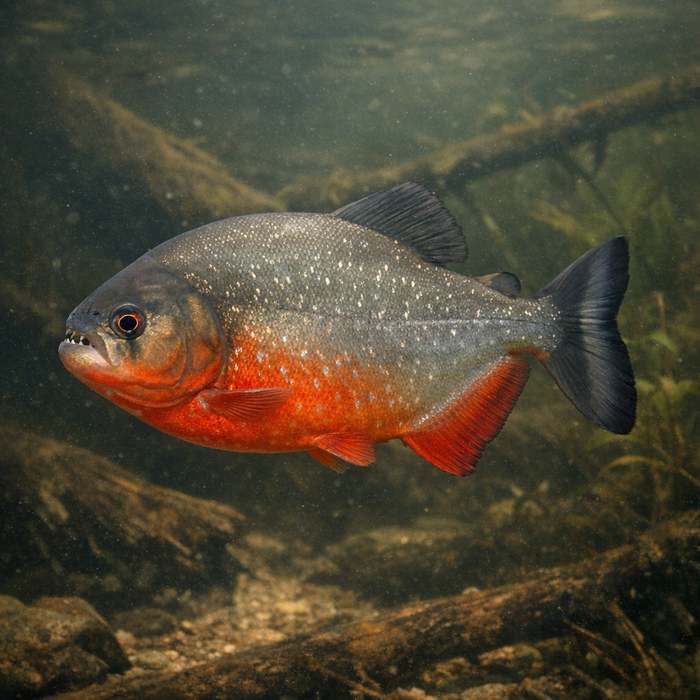
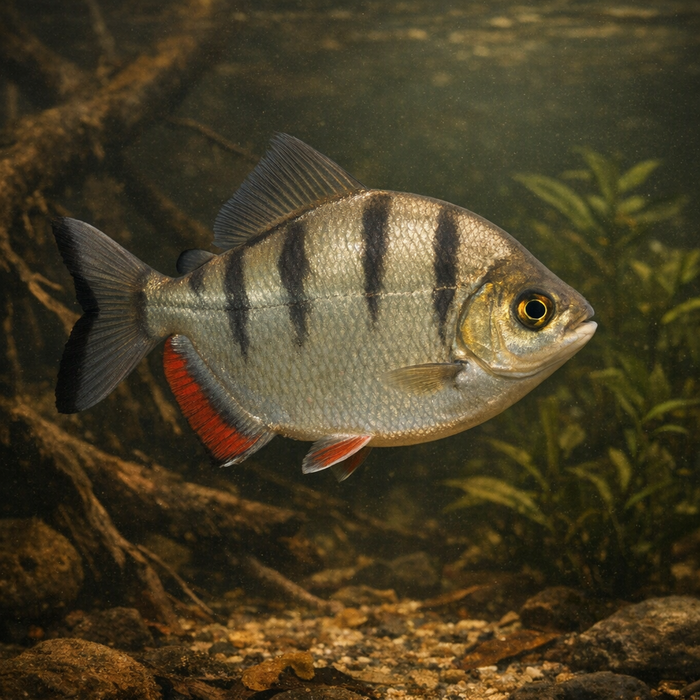
Pirapitinga (Piaractus brachypomus): A Bold, Memorable Hook LineIntroductionThe pirapitinga is the Amazon's fruit-crushing tank, a deep-bodied bruiser that eats palm nuts like candy and yanks line harder than you'd expect from a so-called vegetarian. If you want a freshwater fight with rainforest weirdness baked in, this is your fish.What Makes the Pirapitinga Unique?Two things set the pirapitinga apart. First, those teeth. Up front they look eerily human, backed by heavy-duty molars that crunch rock-hard seeds most fish wouldn't dare sniff. Second, their seasonal life on the flooded forest. When water creeps into the treetops, pirapitinga cruise among branches and trunks, gorging on ripe fruit raining from above. This fruit-fueled bulldozer routine builds serious shoulders without turning them into finicky carnivores. For anglers, that means a fish that'll smack a well-presented fruit chunk or a crafty fly with surprising conviction.Habitat & Global RangeAsk about Pirapitinga habitat and you'll hear one word: floodplain. The species thrives in the Amazon and Orinoco basins, sliding between main channels, blackwater lagoons, and seasonally inundated forests. Tannic, tea-colored water doesn't scare them. Slow current, woody cover, and overhanging trees are their shopping aisles. They've been introduced in parts of Asia via aquaculture, but the classic hunt happens in South America's sprawling river mosaics, where distance, water levels, and fruiting cycles dictate your plan.Behavior & TemperamentPirapitinga aren't piranhas with salad forks. They're deliberate, exploratory feeders known to shadow overhanging limbs and sip descending morsels with surprising precision. During high-water, they cruise shallow forest edges; on falling water, they regroup along channels and lake mouths. Big ones often travel in loose pods. Hooked fish dig deep, bulldoze sideways, and grind into cover more than they tail-walk. They're wary enough to punish sloppy presentations, but not mystical. Get the drift right and they'll make your reel sing.Ecological ImportanceIf you like Pirapitinga facts that matter, start here: they're seed dispersers. After crushing or swallowing fruit, they carry seeds across basins and deposit them where forests need them. That link between fish and trees is why a healthy pirapitinga population is basically rainforest life insurance. Lose the seasonal flood pulse, lose the fish-forest partnership.Conservation & Environmental PressuresOverall, pirapitinga are listed as Least Concern, but that's not a forever pass. Dams pinch migration routes, logging shreds riparian canopies, and overharvest can chip away at local big-fish numbers. Add hybrid farm stocks leaking into wild systems and species ID gets tricky fast. Protecting overhanging fruiting trees and keeping floodplain corridors connected might sound boring on paper, but it's mission-critical for this fish.The FishyAF TakeThe pirapitinga is the Amazon's best reminder that toughness isn't just teeth and chasing minnows. It's rolling shoulders, a stubborn run, and a palate tuned to palm fruit. Want a unique freshwater trophy? Time the flood pulse, aim for shade and wood, and bring fruit, dough, or a dead-on fruit fly. Pirapitinga habitat is its own classroom: if branches are knocking your hat and the water's tea-colored, you're probably in the right spot. Weird fish. Great fight. Totally worth the jungle miles.