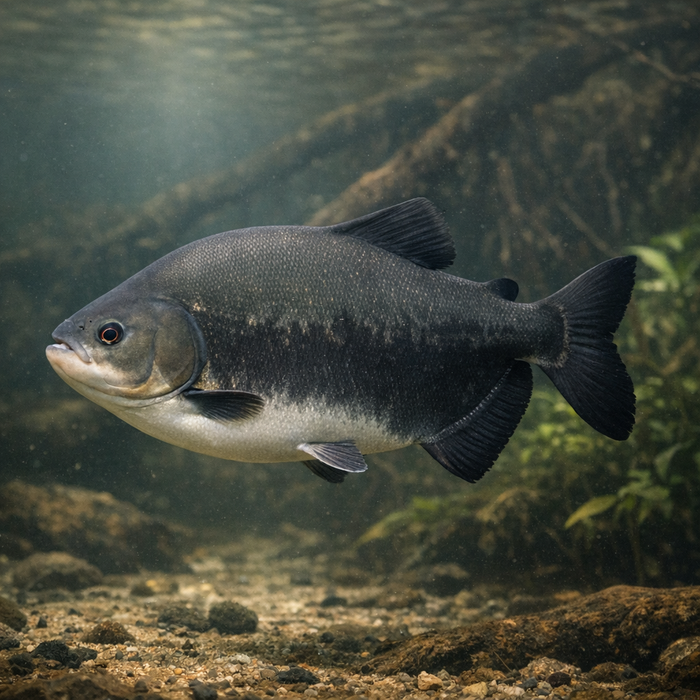
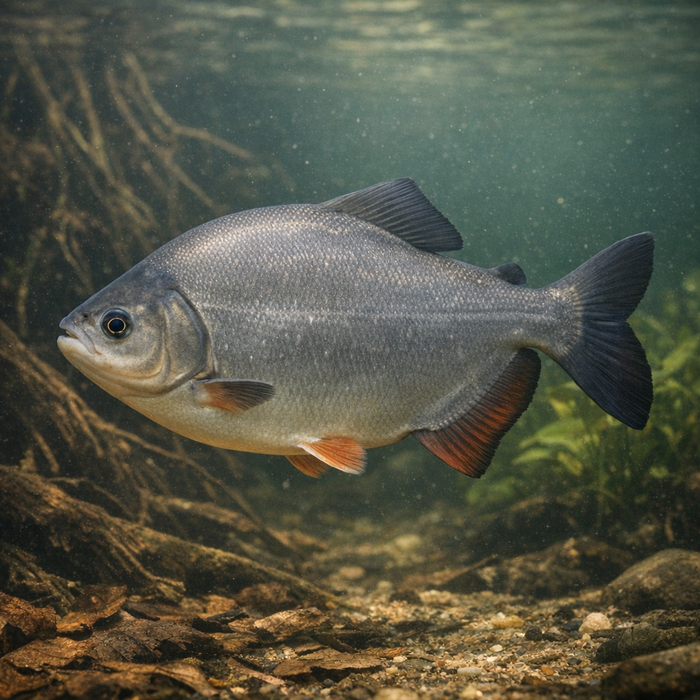
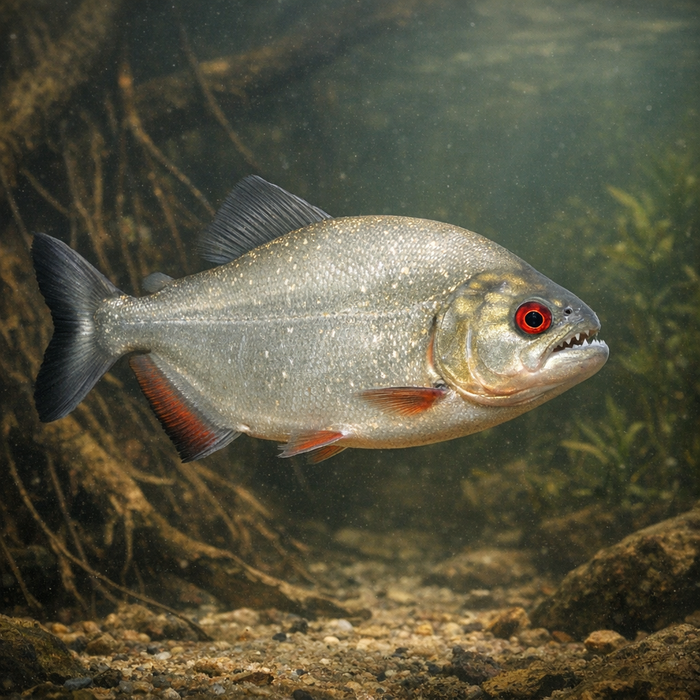
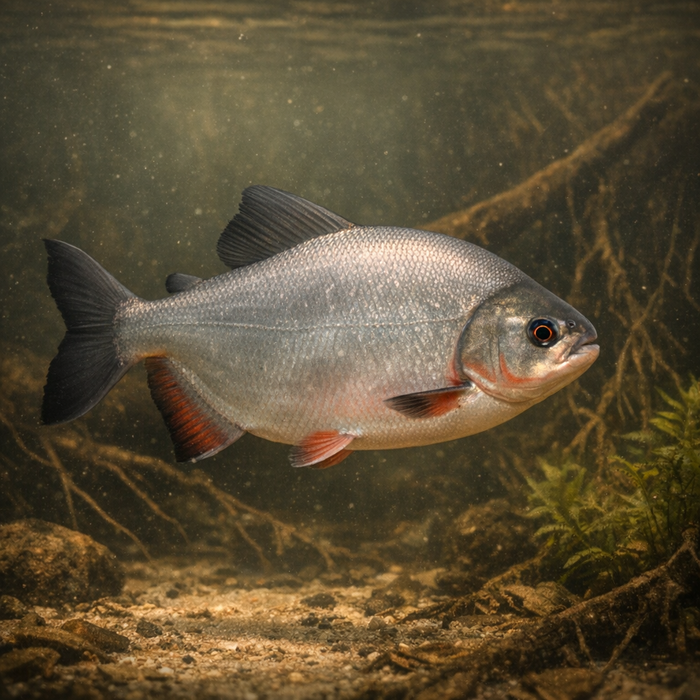
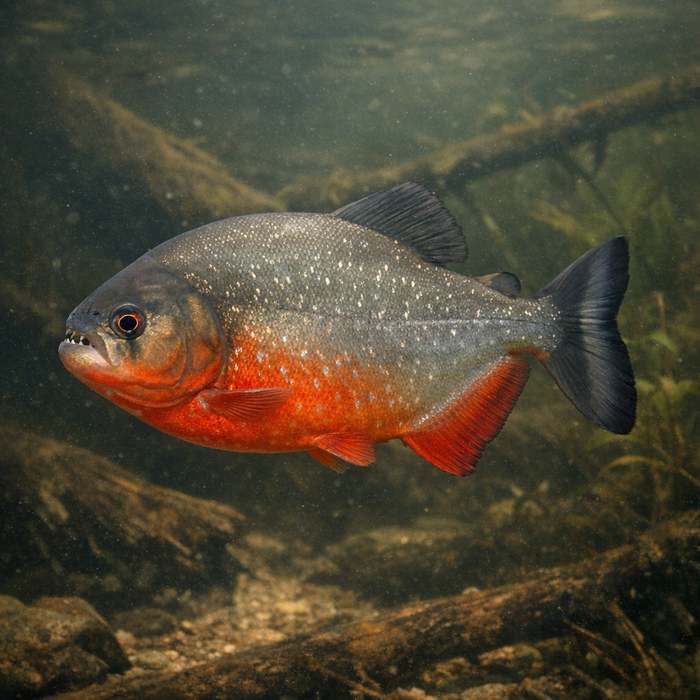
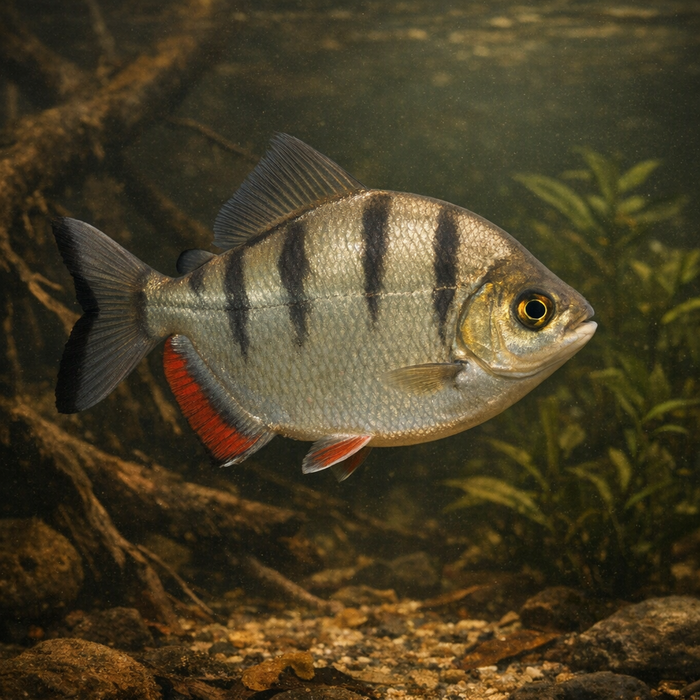
San Francisco piranha (Pygocentrus piraya): Gold-finned muscle with a switchblade smileIntroductionThe San Francisco piranha is the heavy hitter of the piranha world, a thick-shouldered bruiser with canary-yellow fins and teeth sharp enough to autograph your pliers. It's the fish people picture when someone says piranha, then realize this one is bigger, braver, and a lot better dressed. If you're after a freshwater predator with flair, the San Francisco piranha doesn't do subtle.What Makes the San Francisco piranha Unique?Two things: presence and hardware. First, presence. The San Francisco piranha carries a hulking, bulldog head, tall body, and bright yellow flanks that practically glow. It isn't a background character. Second, the hardware. Those interlocking tricuspid teeth meet perfectly, shearing clean triangles like a high-end punch. Even wilder, they replace entire bands of teeth at once, revealing a fresh, razor-straight lineup ready for work. Among the true piranhas, it sits at the big end of the scale, which is why San Francisco piranha facts often start with size, color, and bite.Habitat & Global RangeDespite the name, this species is a Brazilian original, tied to the vast São Francisco River basin. Picture long river runs with sandy or muddy bottoms, drowned timber, side lagoons, and backwaters with stained, warm water. That's classic San Francisco piranha habitat. Seasonal flows shape their world: during the rains, fish spread into flooded margins and oxbows; in the dry season, they condense into channels and isolated lagoons, concentrating both predators and prey. They'll work edges, current breaks, woody cover, and soft banks, cruising midwater but quick to slash up or down when a meal twitches.Behavior & TemperamentSan Francisco piranha don't roam as vast open-water pelagics, but they're not shy pond panfish either. Juveniles school tight to survive. Adults run in looser packs like a crew that knows it's in charge, often patrolling structure edges. They hit decisively, test leaders mercilessly, and shake their heads like small jack crevalle when you stick them. They're most comfortable in warm water, and their activity spikes during low light or when bait movement telegraphs vulnerability. They also communicate: piranhas produce percussive, drumlike sounds, especially during confrontations and mating, which adds to their whole "don't-mess-with-us" vibe.Ecological ImportanceThis isn't just a set of teeth with fins. The San Francisco piranha helps regulate fish communities by culling the slow, the sick, and the unlucky. Their clean shearing bite and sheer confidence make them efficient predators and opportunistic scavengers when the river serves up free lunches. That pressure shapes behavior in other species and keeps food webs honest. In floodplain systems, they connect habitats by moving energy from seasonal pulses of baitfish into higher trophic levels. Like any apex-leaning predator, they wear several hats: hunter, recycler, and neighborhood enforcer.Conservation & Environmental PressuresThe São Francisco basin has seen damming, flow alterations, and habitat loss. Reservoirs change turbidity, temperature, and seasonal cues, shifting where and how the San Francisco piranha feeds and spawns. Overharvest isn't usually the headline, but localized pressure can bite into size structure. Add in pollution and bank degradation, and you get stress on a fish that thrives on complex edges and honest current. While not flagged globally as endangered, the long-term health of these fish rides on smart watershed management and protection of floodplain nurseries that crank out the next generation.The FishyAF TakeIf freshwater fish were motorcycles, the San Francisco piranha would be a gold-trimmed streetfighter: loud, tough, and unapologetic. Anglers love them because they turn mediocre bait placement into real consequences. Bring wire, bring respect, and bring curiosity. The more you learn about seasonal water and structure, the more this fish rewards you. San Francisco piranha facts usually fixate on the teeth, but here's the kicker: the attitude matches the hardware. Treat it like a serious predator, fish the right water at the right times, and you'll understand why this flashy Brazilian heavyweight owns its river.