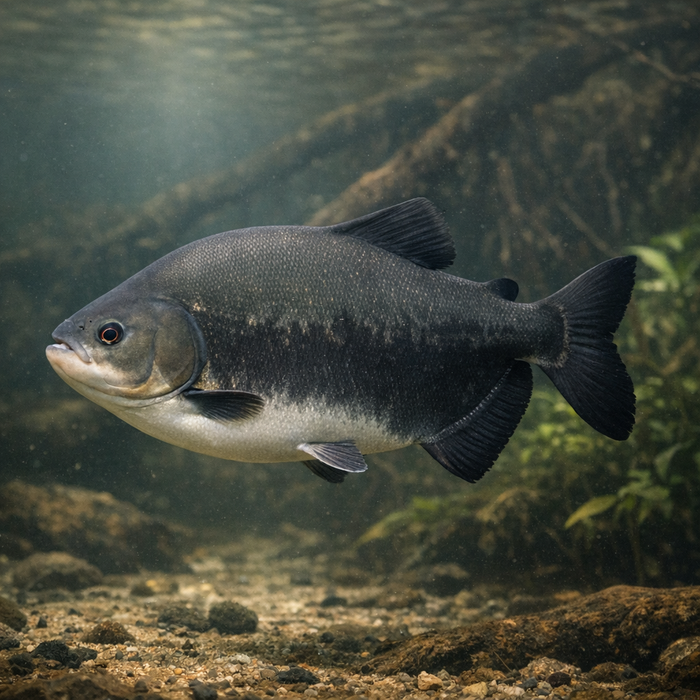
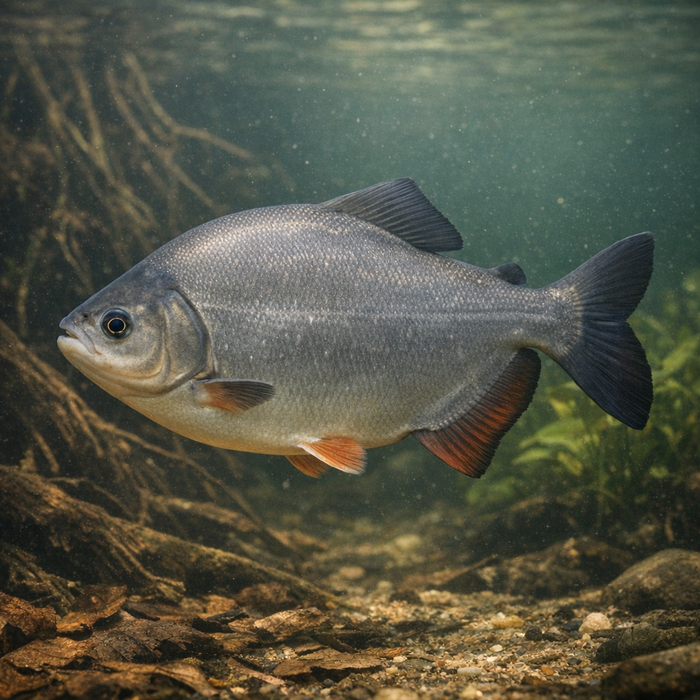
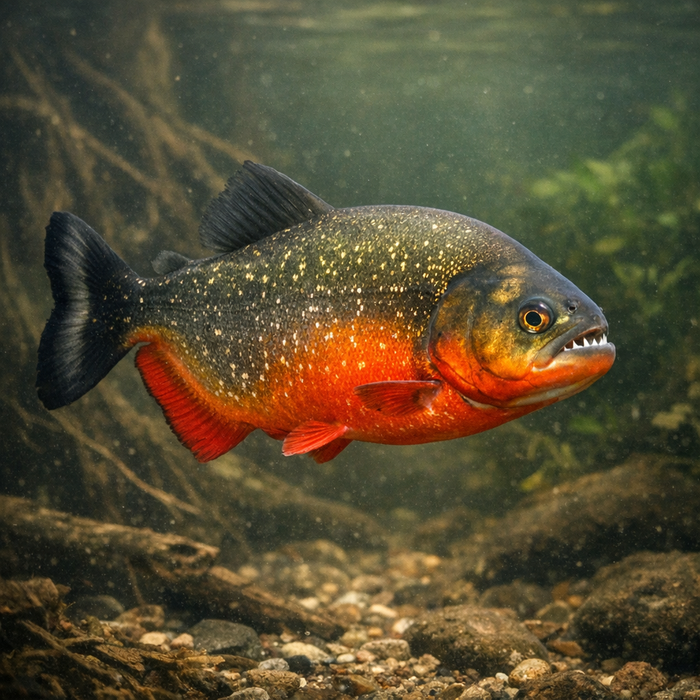
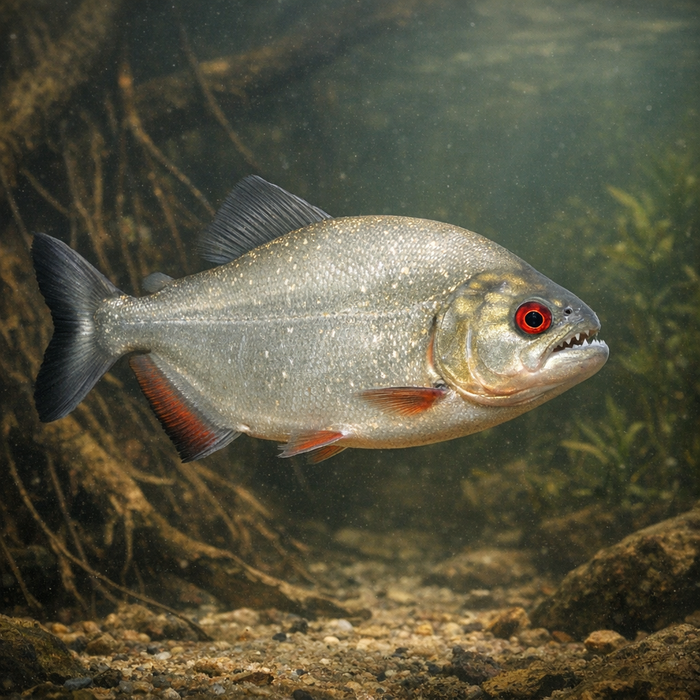
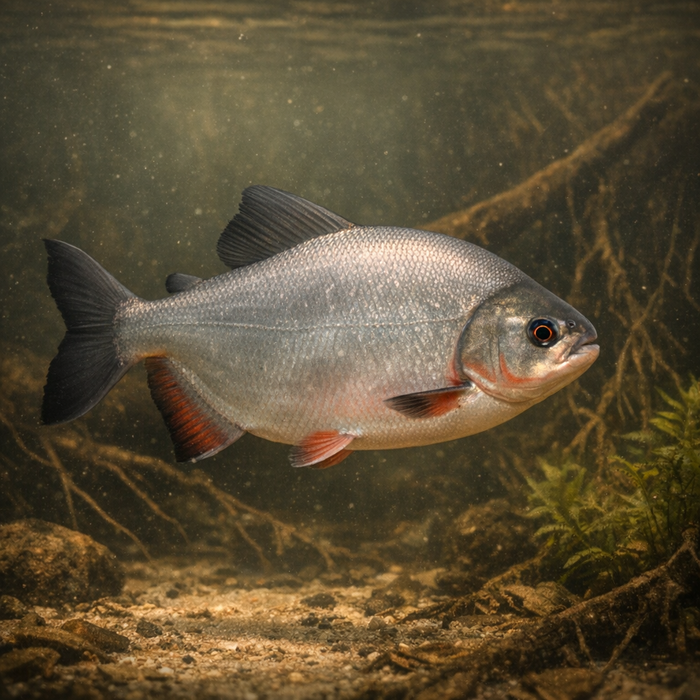
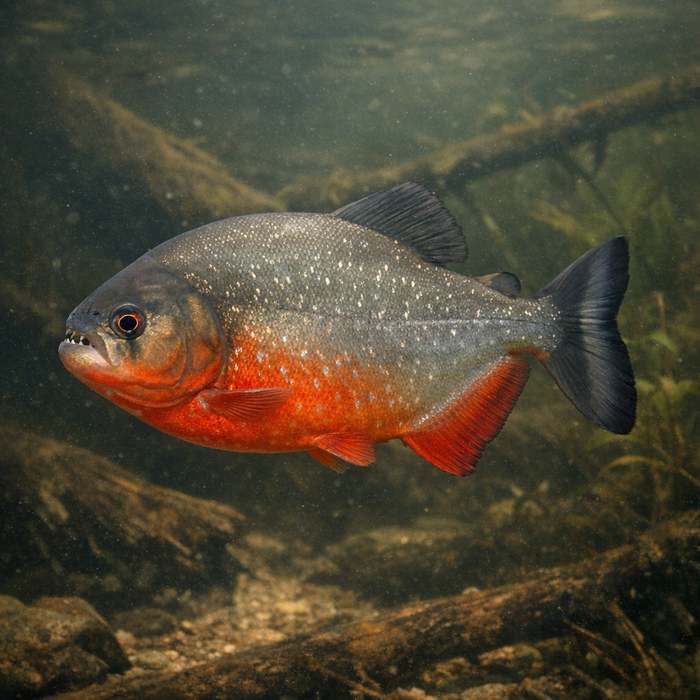
Disk tetra (Myloplus schomburgkii): A Bold, Memorable Hook LineIntroductionThe disk tetra doesn't look like a fighter. It looks like a shiny dinner plate with fins. Then it hits your fruit bait, turns sideways, and suddenly you're planing a saucer through jungle sticks. If you're exploring blackwater creeks and floodplain backwaters in the Amazon and Guiana Shield, a disk tetra bite is the weirdly satisfying curveball between peacock bass blitzes and piranha drama. Consider this your cheat sheet for real-world Disk tetra facts without the aquarium fluff.What Makes the Disk tetra Unique?First, the mouth. Myloplus schomburgkii sports human-like molar teeth designed to crush seeds and palm nuts. It's a pacu relative, not your community-tank tetra. Second, the look: a deep-bodied, ultra-thin profile stamped with a bold vertical black bar that fades and darkens with mood, light, and possibly social cues. Third, the role. This fish is a mobile seed mill. It mows through seasonal fruit drops, spits clean seeds, and quietly reforests riverbanks better than any planter box.Habitat & Global RangeIf you're hunting Disk tetra habitat, think tea-colored, low-conductivity waters with shade and structure. The species thrives in blackwater and clearwater tributaries across the northern Amazon and Guiana Shield, sliding between flooded forests, creeks, and languid backwaters as water levels rise and fall. During high water, they push into submerged forest; on the fall, they pull back to edges, creeks, and still pockets near woody tangles. Current matters, but not too much: they like breaks, eddies, and places where fruit actually lands in the water. Depth is typically shallow to midwater, often within a short cast of the bank.Behavior & TemperamentDisk tetras are schooling omnivores with herbivore tendencies. Picture a tight pod patrolling under overhanging trees, waiting for berries to plop. The strike is quick, often a single bite-and-bolt. They won't bulldog like a big peacock, but they're no pushovers. That disk profile turns into a wing when they fight, creating heavy side-drag. Hook one near twigs and you'll instantly respect their knack for threading cover. They're cautious in clear water and more confident in tannic stain or low light. Fly anglers get looks on small streamers or foam "fruit" patterns; spin anglers score with small hooks and soft baits drifted naturally.Ecological ImportanceThis fish is a forest gardener with fins. By crushing fruits and ejecting seeds downstream, disk tetras help repopulate banks and floodplain forests after seasonal scouring. They fill a niche many anglers overlook, bridging river and jungle. Remove that seed-dispersal engine and the system loses a quiet but critical conveyor belt moving plant genetics around. Call it arboriculture by bite mark.Conservation & Environmental PressuresThe disk tetra isn't the poster child for crisis, but its waters are. Deforestation, gold-mining runoff, and altered flow regimes mess with the exact places these fish work best: shaded edges, woody tangles, and floodplain nurseries. Because the species isn't a headline gamefish, data can be sparse and regulations patchy. Local pressure around towns can be high, while remote reaches remain lightly fished. Your best conservation move is simple: keep fish wet, harvest lightly if at all, and support guides and communities who safeguard blackwater creeks and fruiting banks.The FishyAF TakeThe disk tetra is the most fun you'll have fishing a salad. Bring small hooks, fruit or corn, and finesse. Target flooded forest edges and overhead shade, drift baits naturally, and keep your drag honest. Treat them like nervous tilapia crossed with a pacu and you're in the ballpark. It's not the loudest fish in the Amazon, but it's one of the most revealing. Learn the disk tetra and you've basically hacked the floodplain: current seams, tree lines, seed rain, the whole stealth game. That's Disk tetra habitat mastery, and it makes every other bite out there come a little easier.