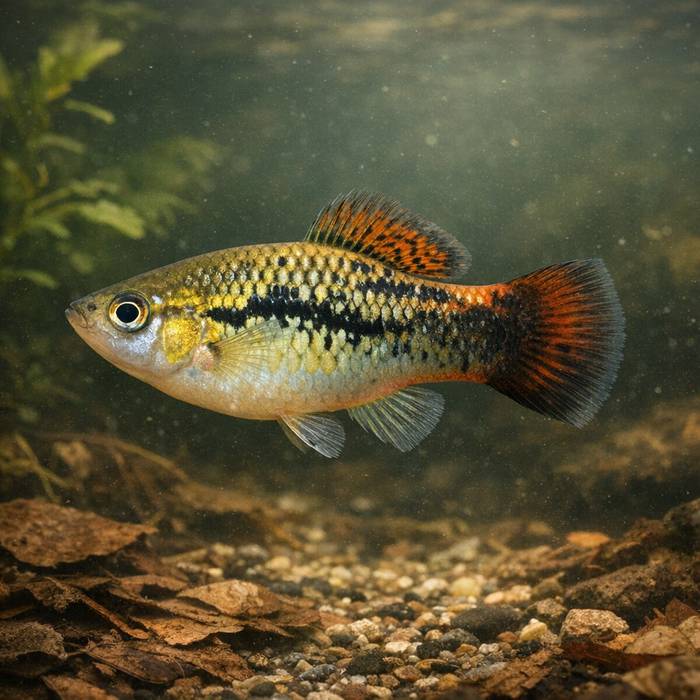
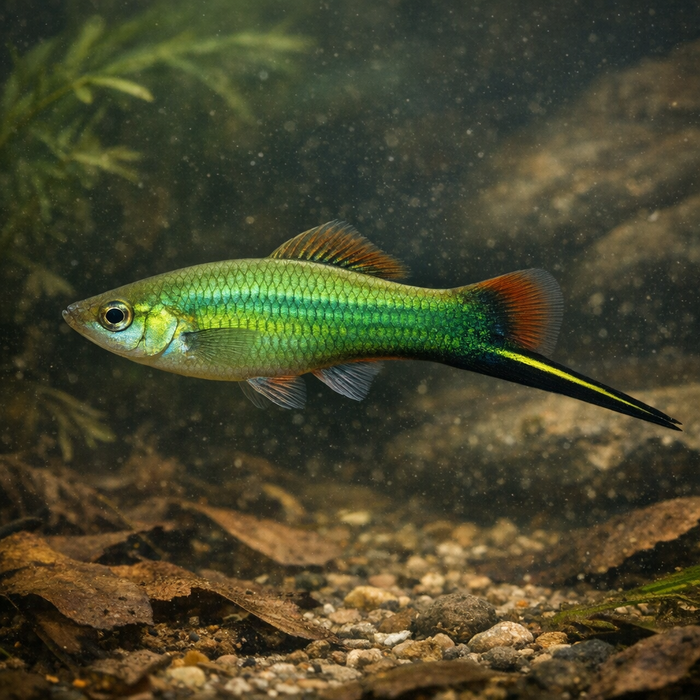
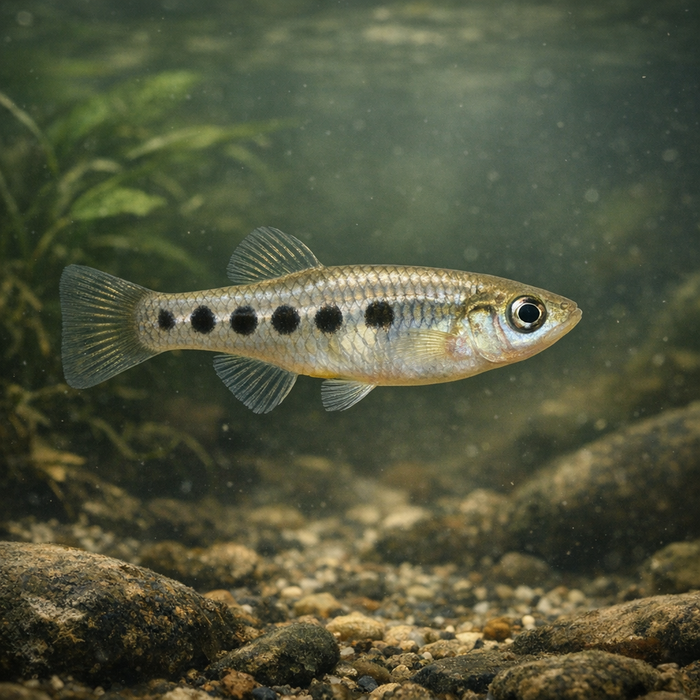
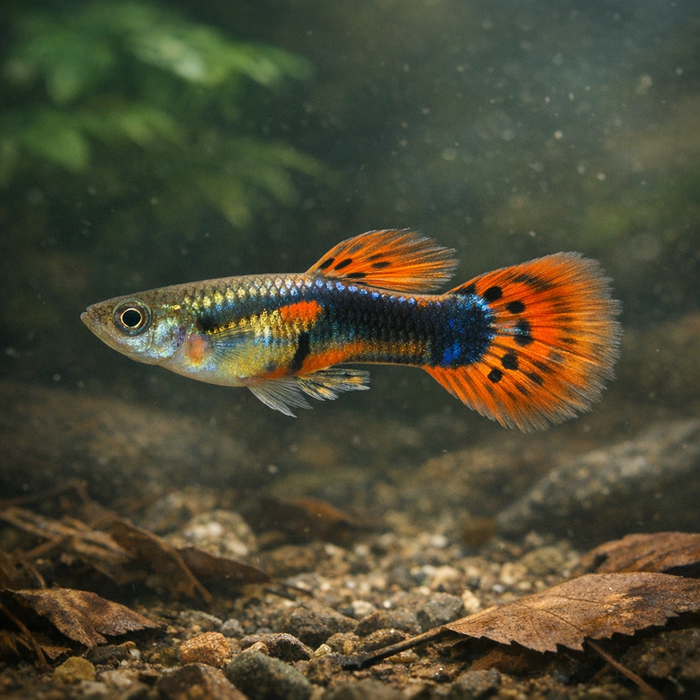
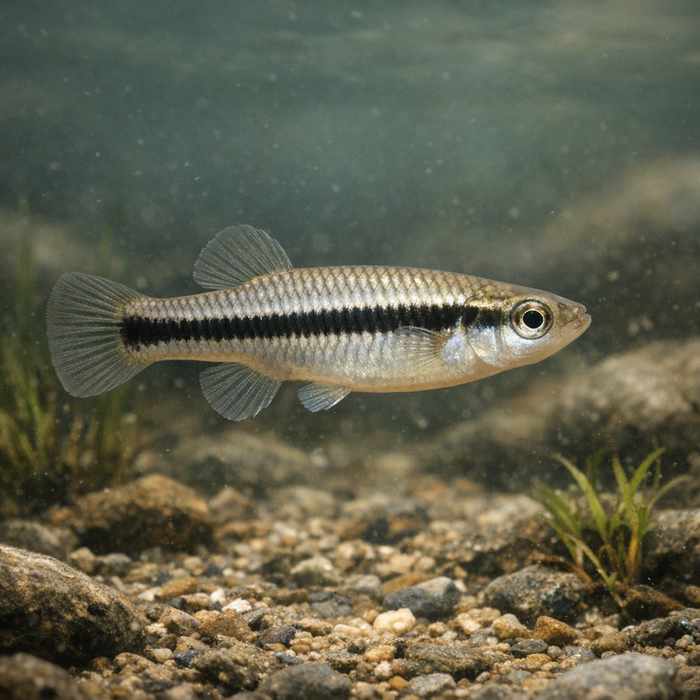
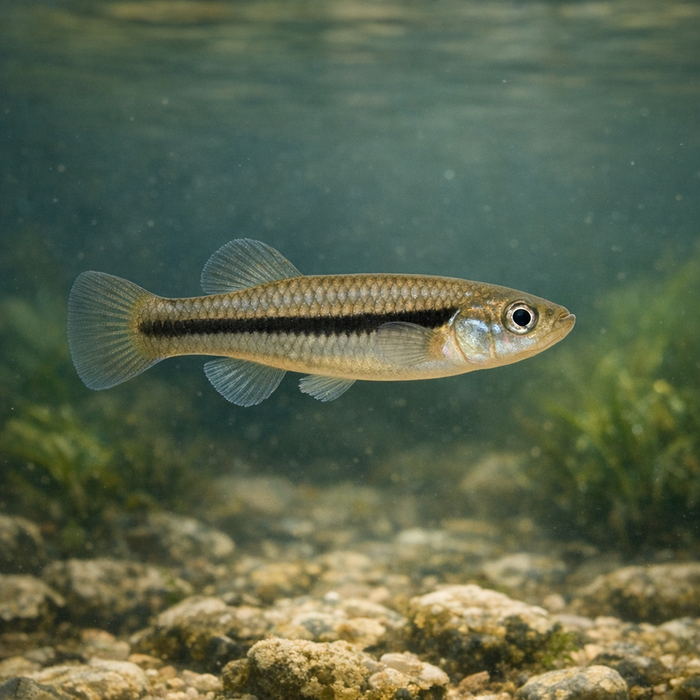
Southern platyfish (Xiphophorus maculatus): Tiny livebearer, huge personality, and a sneaky fun microfishing target.IntroductionThe Southern platyfish isn't going to spool your reel or break Instagram. It's the scrappy, colorful gatekeeper to the weirdly addictive world of microfishing. Native to lowland waterways of the Atlantic slope of Central America, the Southern platyfish shows up in warm, weedy creeks, roadside ditches, and slow ponds. If you've wondered how much fun a two-inch fish can be, consider this your nudge. Southern platyfish facts get surprisingly spicy once you dig into genetics, reproduction, and their stubborn knack for thriving where bigger fish sulk.What Makes the Southern platyfish Unique?Start with the livebearing trick. Females don't lay eggs; they birth free-swimming fry, sometimes 20 to 80 at a time. One mating can fuel multiple broods for months, thanks to stored sperm. Then hit the genetics rabbit hole: Xiphophorus species, including the Southern platyfish, helped scientists untangle melanoma pathways when hybrid crosses with swordtails produced tumor-prone offspring. Finally, personality. These are bold little grazers with a social vibe, flashing color and nipping at anything that looks edible. It's bite-sized wildlife with serious backstory.Habitat & Global RangeThe classic Southern platyfish habitat is shallow, slow, and plant-choked. Think warm creeks, backwaters, oxbows, and ponds with heavy cover and gentle flow. They tolerate slightly brackish edges and urban canals as long as warmth and vegetation show up. Native in Central America, they've hitched rides worldwide via the aquarium trade, popping up in places like South Florida canals and tropical islands. Wherever the water is balmy and weeds are thick, a Southern platyfish can make a living.Behavior & TemperamentPlaties are cruisers, not sprinters. They graze, peck, and mill around in loose shoals, feeding from midwater to the surface. In clear water they can be jittery, but hunger often overrides caution. Courtship is constant background noise: males brandish a modified anal fin called a gonopodium, and the whole crew seems ready for the next brood when the temperature pushes into the 70s and 80s. They won't pull drag, but on cobweb tackle they give a happy wiggle that counts.Ecological ImportanceThe Southern platyfish turns algae, detritus, and tiny invertebrates into calories that larger fish and birds redeploy up the food chain. In lush backwaters they mow microalgae and help keep periphyton from smothering plants, all while producing a steady stream of fry that become snacks for actual gamefish. They're also sentinel fish: abundant in warm, nutrient-rich waters and quick to respond to habitat changes, which makes them handy for researchers and public-health mosquito control programs.Conservation & Environmental PressuresThe species sits at Least Concern overall, but populations ride the same rollercoaster affecting any small-water specialist. Pollution, herbicide overuse, and concrete drainage can wipe out vegetation and the insect buffet that supports them. On the flip side, aquarium releases create nonnative pockets that complicate local ecology. The answer isn't demonizing a tiny fish; it's managing urban water quality, protecting green margins, and not "setting free" tank fish. Southern platyfish are tough, but habitat laziness still beats them.The FishyAF TakeThe Southern platyfish is proof that fishing isn't just about size. It's about curiosity, observation, and the smooth satisfaction of fooling a fish designed to ignore anything risky. Bring absurdly light gear, a micro hook, a crumb of bread, and a little patience. You'll spot them cruising the edge, flashing, arguing, and then-tap. If you want Southern platyfish facts with bragging rights, here's one: few species are this accessible and this revealing about how water works. Learn them, and you read a whole creek better. That's a win, even if the trophy fits on a thumbnail.