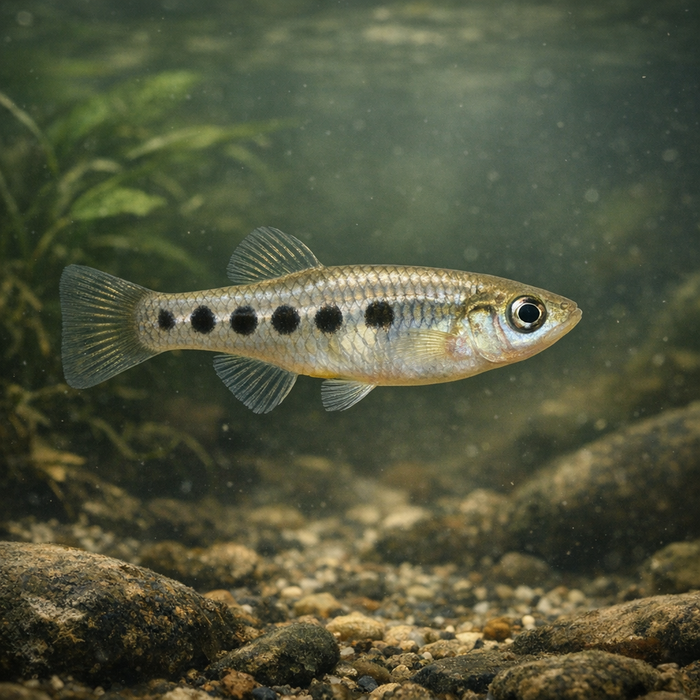
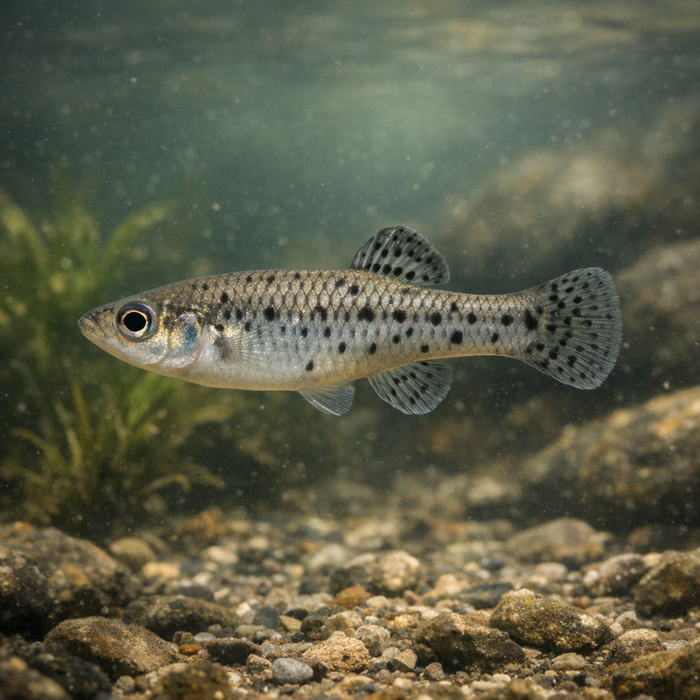
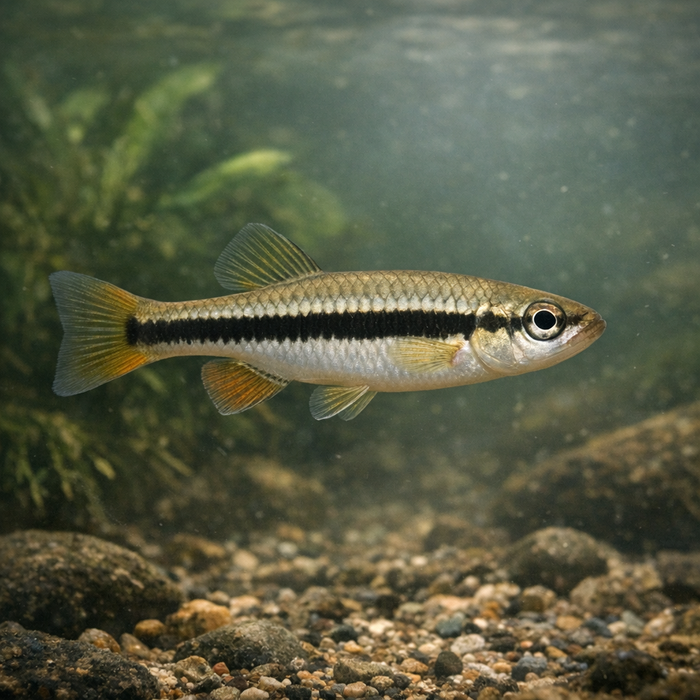
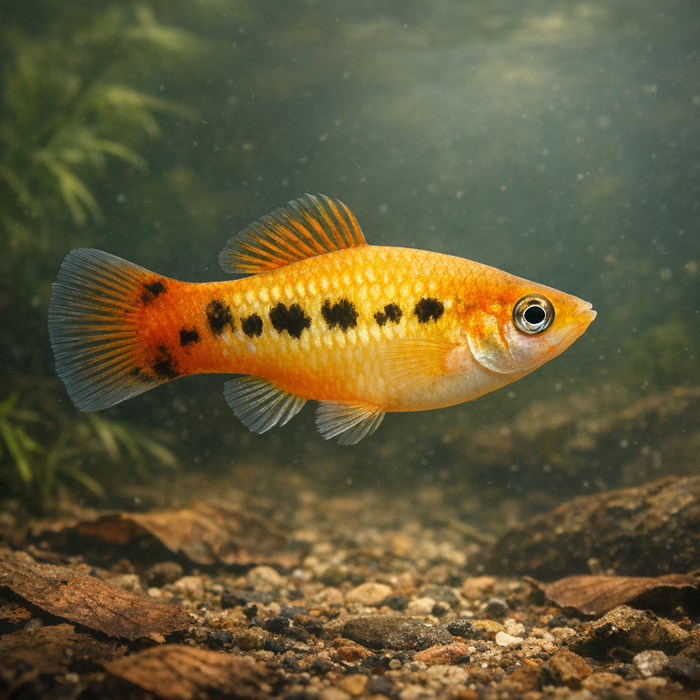
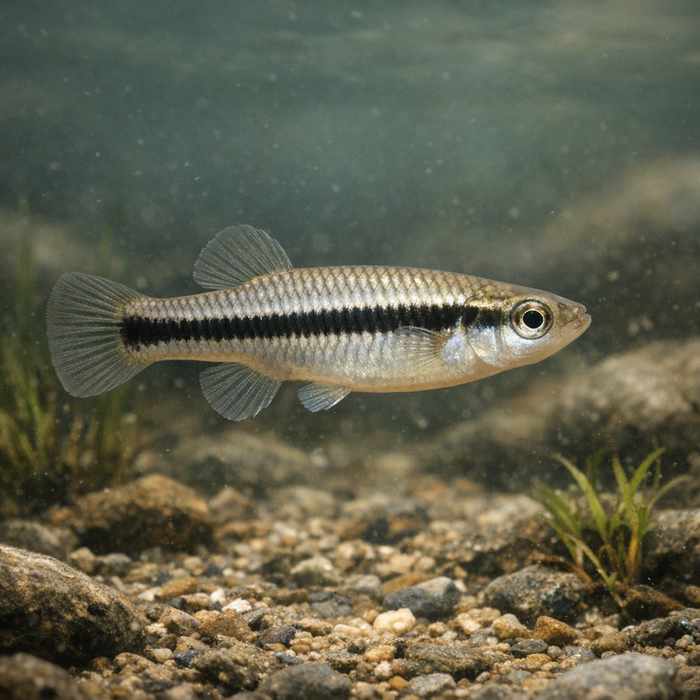
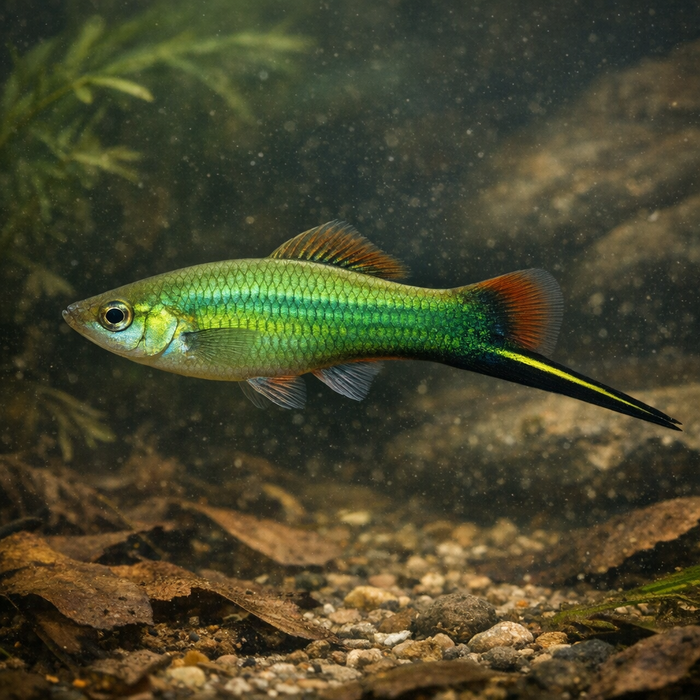
Guppy (Poecilia reticulata): Pocket-size swagger with science-nerd fame and backyard ditch attitudeIntroductionThe guppy is the fish that launched a million aquariums and more than a few biology degrees. Tiny, flashy, and tougher than its size suggests, this livebearer turned global hitchhiker shows up in warm creeks, roadside ditches, and city canals where you'd swear nothing could thrive. For anglers who dabble in microfishing, the guppy is bite-sized proof that finesse and observation beat brute force. If you want real Guppy facts and Guppy habitat intel with an angler's twist, you're in the right puddle.What Makes the Guppy Unique?Start with style. Male guppies pack outrageous colors and tail shapes that function like neon billboards in clear water. Flip the script on typical fish roles: females run bigger, males run brighter. Then there's the engineering. Instead of laying eggs, guppies are livebearers; females carry developing young and drop fully formed fry, often monthly in warm water. And because females can store sperm for months, one encounter can fuel multiple broods. That reproductive superpower is why guppies establish feral populations nearly anywhere water runs warm.Habitat & Global RangeOriginally from northern South America and Trinidad-Tobago, the guppy traveled the world as a mosquito-control import, then spread via aquariums and warm industrial outflows. Today you'll spot them in shallow, slow-moving streams, sunlit ponds, canal edges, mangrove creeks, and even brackish margins near estuaries. They like warmth, weeds, and gentle current with plenty of micro-invertebrates. Urban anglers will find them around culverts, riprap, and mats of filamentous algae. In cooler climates they persist where groundwater or warm discharges keep winter temps survivable.Behavior & TemperamentDespite their size, guppies behave like little street gangs. They school, they surface sip, they investigate anything edible, and they dart for cover at the first shadow. Males posture and flash at females, then blaze away when danger looms. They eat opportunistically, pecking at midge larvae, mosquito wrigglers, algae films, and whatever drifts by. You'll often see them tight to the bank or tucked into weed pockets where flow is soft and sunlight warms things up. When spooked, they scatter, regroup, and return to feeding in minutes.Ecological ImportanceGuppies occupy the snack zone of the food web, converting insect larvae and periphyton into fast-growing biomass that powers everything bigger. In their native range, they're textbook subjects for rapid evolution: populations above waterfalls (few predators) evolve different life histories than those below (many predators). That speed of change is why the species stars in scientific journals as much as it stars in grade-school fishbowls. In introduced waters, guppies can tilt invertebrate communities and compete with other livebearers, so they're not just cute-they're consequential.Conservation & Environmental PressuresGlobally, Poecilia reticulata is secure, but local pressures still matter. Urban runoff, pesticide pulses, and habitat canalization can hammer shallow-water fishes. On the flip side, the same scrappy traits that make guppies resilient can make them invasive. Responsible handling, smart disposal of aquarium water, and respect for local rules help keep ecosystems balanced. If you're sampling a ditch for fun, treat it like a wild fishery: wet hands, minimal air time, and no bucket transfers to new waters.The FishyAF TakeThe guppy is microfishing's gateway drug. It teaches stealth, precision, and how to read tiny water. You'll learn that presentation beats horsepower and that a loaf of bread often outfishes a fly box. For all its aquarium fame, the guppy in the wild is a different animal-warier, faster, and wired for survival. If you can coax a bite in skinny, sunlit water with bird shadows cruising overhead, you've earned it. Small fish, big lesson. That's the guppy in a nutshell.