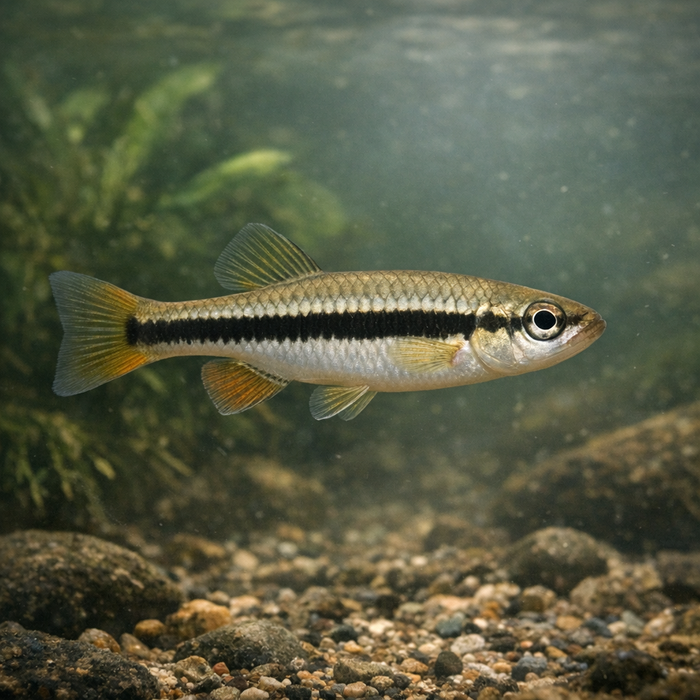
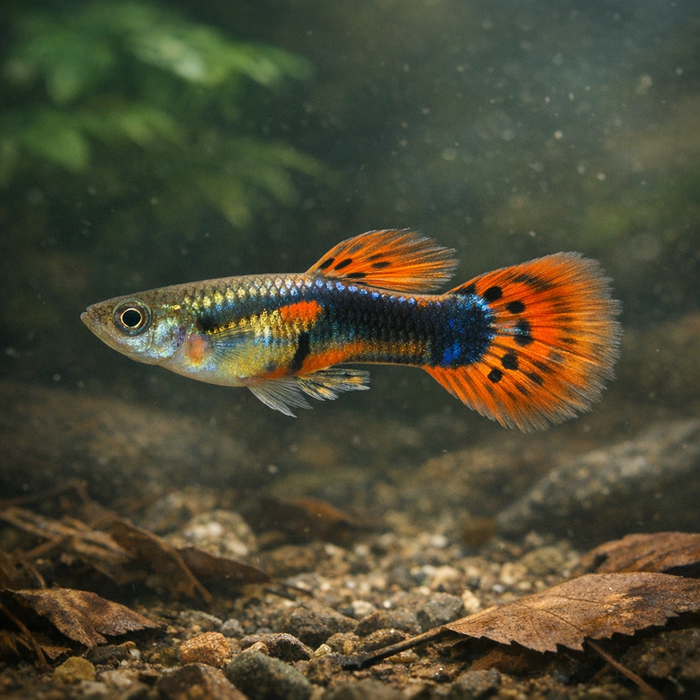
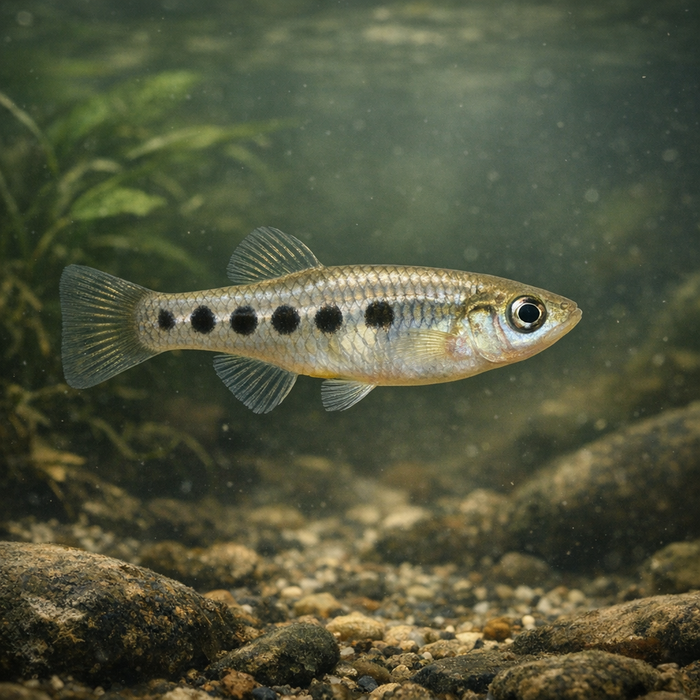
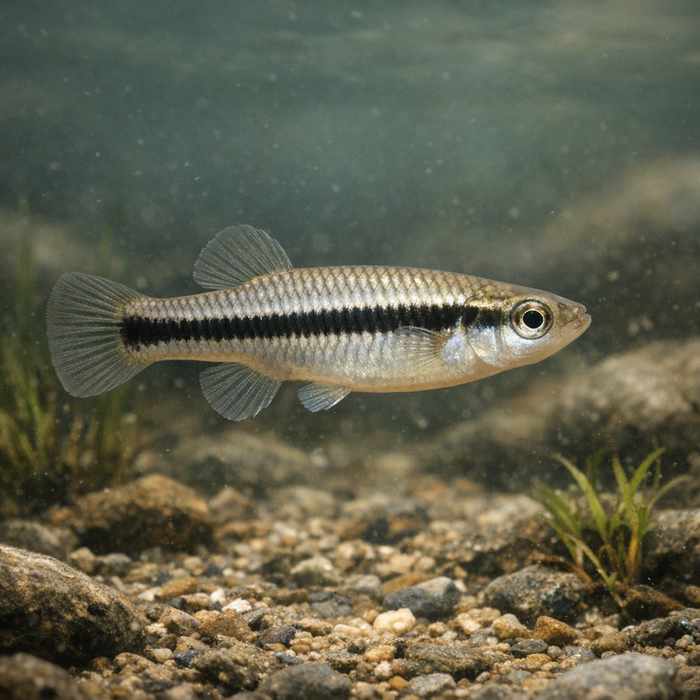
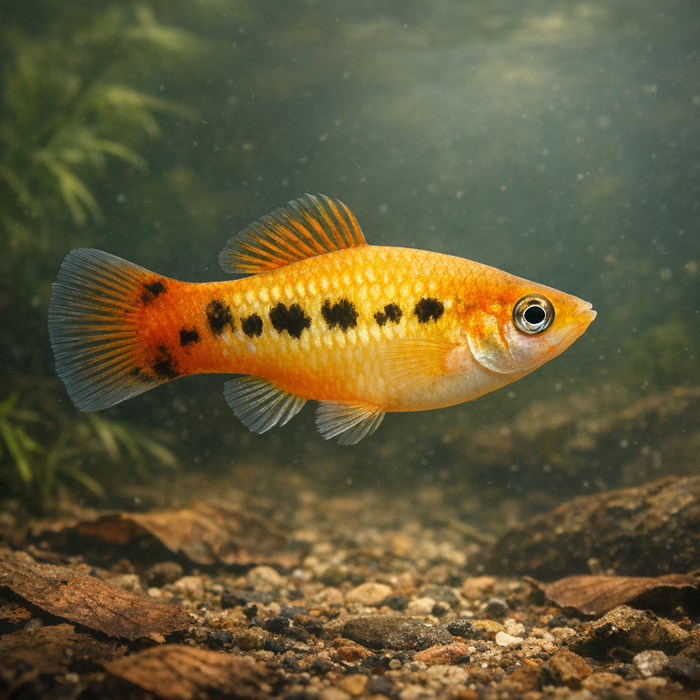
San Felipe gambusia (Gambusia clarkhubbsi): A tiny desert livebearer with an outsized conservation storyIntroductionThe San Felipe gambusia is proof that a fish doesn't need bulk to be interesting. This pocket-sized predator haunts warm, mineral-rich springs and channels where the water barely changes from week to week. It's the kind of species micro-anglers obsess over and casual fish nerds read about late at night, curious how something so small commands so much attention. If you're here for San Felipe gambusia facts, you'll get them, plus a sense of why protecting a few inches of fish can matter to an entire landscape.What Makes the San Felipe gambusia Unique?First, it's a livebearer. Females drop fully formed fry rather than eggs, and in stable warm water, they can crank out multiple broods. Second, this gambusia is wired for tiny, predictable habitats. Where most fish track seasons, the San Felipe gambusia often tracks the steady drip of a spring. Third, it's got attitude scaled to its size: males brandish a modified anal fin called a gonopodium and chase with twitchy, darting courtship moves. For such a small fish, Gambusia clarkhubbsi broadcasts purpose with every jitter.Habitat & Global RangeThink warm spring-fed pools, shallow channels, and slow runs braided with vegetation. The water tends to be clear, alkaline, and mineral-loaded. The defining San Felipe gambusia habitat is stability: temperature that hovers in the comfort zone, low-to-moderate current, and mats of cover that hold bug larvae. Distribution is tight, not globe-trotting. This is a local specialist in desert spring oases, the kind of fish that makes a map nerd's heart flutter. If you're scanning for San Felipe gambusia habitat, picture limestone seeps and ribbon-clear runs where sunlight, calcareous rock, and constant flow keep conditions surprisingly consistent.Behavior & TemperamentSan Felipe gambusia feed with precision more than power. They sip at the surface film, nip at midwater morsels, and patrol edges where insect larvae dangle. Schooling is loose and tactical rather than showy. Spawning behavior is a jittery dance of approach and retreat, a few quick thrusts, and then everybody goes right back to the buffet line. They're not travelers; they're homebodies, tying their lives to a few meters of water with dependable temperature and cover. Quick to bolt from shadows, quick to return when the coast is clear.Ecological ImportanceSmall doesn't mean trivial. The San Felipe gambusia sits in the insect-control seat, snacking on larvae that would otherwise explode seasonally. It's also mid-tier prey for anything in the springs that can sip down a mini fish. Because it's so tuned to stable springs, it acts like a gauge for ecosystem health: if groundwater drops, salinity spikes, or vegetation disappears, the fish answers quickly. Lose this species and you don't just lose a fish; you lose a functional cog in a tightly wound spring machine.Conservation & Environmental PressuresSpring systems are allergic to change. Pump too much groundwater, and flows weaken. Alter a channel and vegetation mats unravel. Introduce nonnative mosquitofish and hybridization can blur genetics. That's the San Felipe gambusia's reality. With range measured in springs and ditches rather than river basins, small disruptions echo loudly. Conservation isn't just about fencing off a pool; it's about protecting the aquifer, managing invasive species, and keeping flows honest. Many of these waters are protected or monitored, and access rules reflect that.The FishyAF TakeThe San Felipe gambusia is the definition of learn-to-love-the-details fishing. No thundering runs, no hero shots, just a tiny quarry in crystal water where stealth and humility matter. If you need volume or violence, look elsewhere. But if you want to understand how a few inches of fish can reveal the heartbeat of a desert spring, spend an afternoon peering into a ribbon-clear run. Respect the rules, tread like a heron, and watch life unfold at miniature scale. It's strangely addictive, wildly specific, and exactly the kind of story that keeps us obsessed with the small stuff.