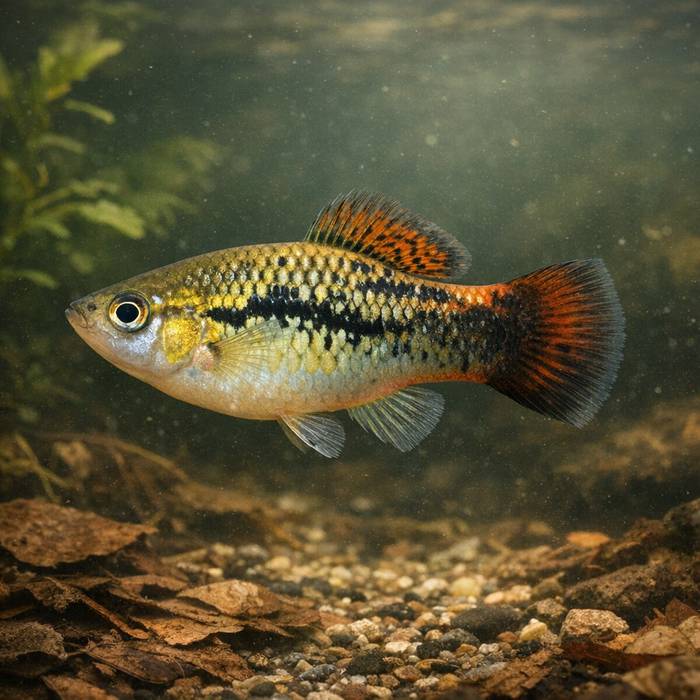
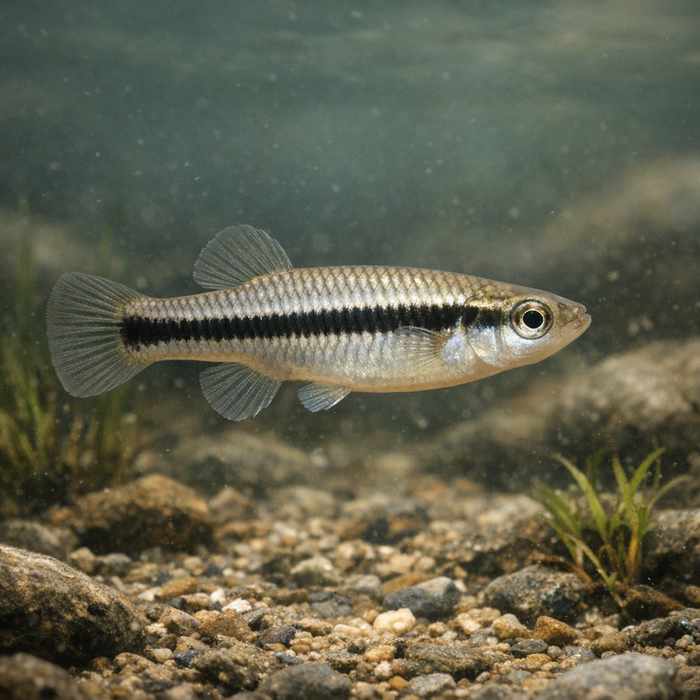
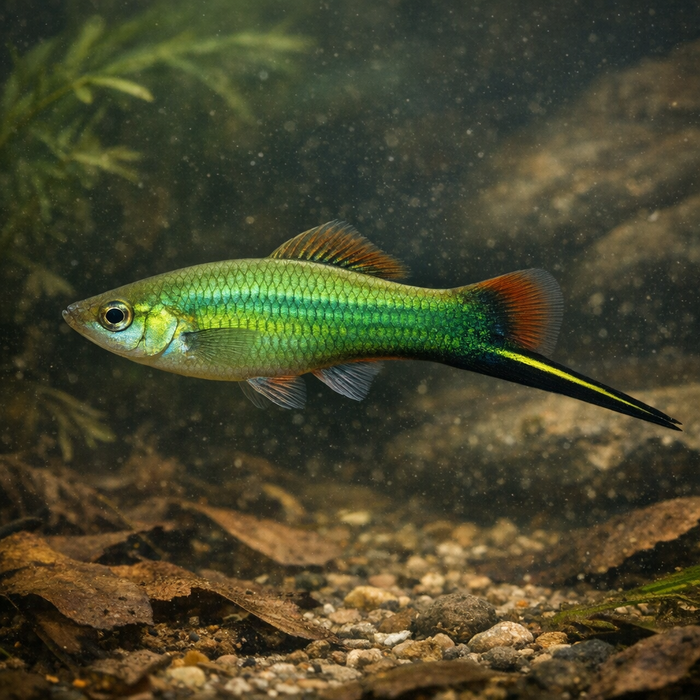
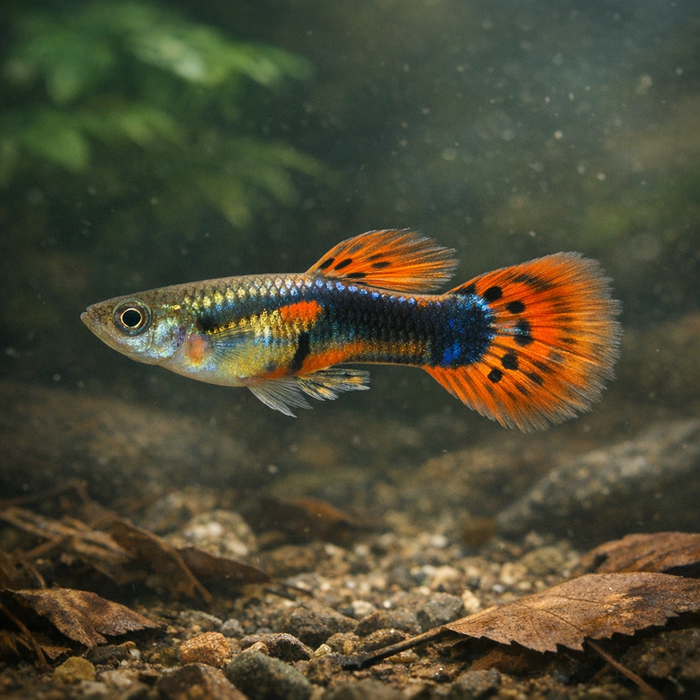
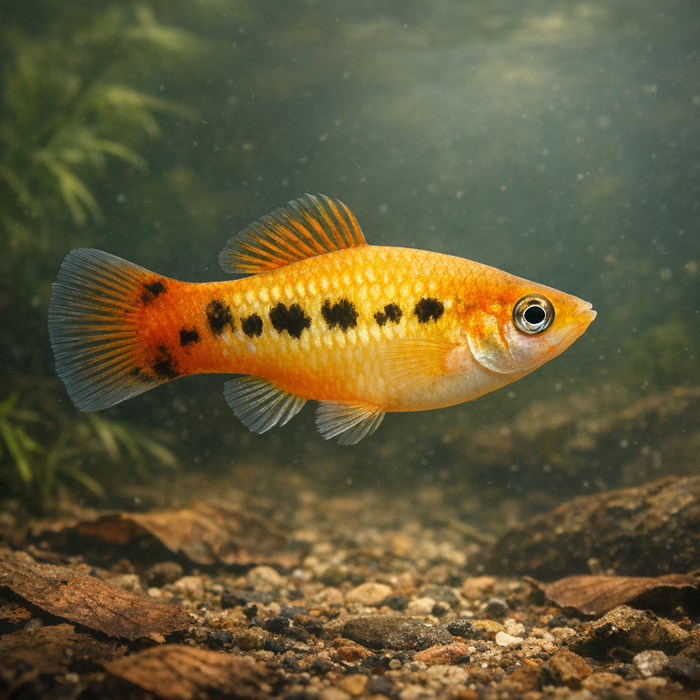
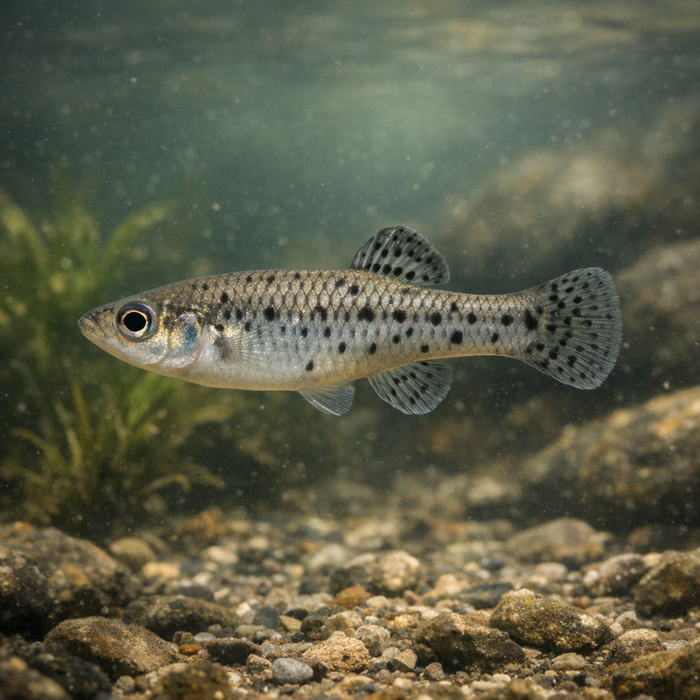
Porthole Livebearer (Poeciliopsis gracilis): A Bold, Memorable Hook LineIntroductionThe porthole livebearer is proof that tiny fish can have huge personality. Blink and a dozen of them are already pecking your bait, flashing those signature black "portholes" along their flanks. They're not trophy material, but for microfishing addicts and curious anglers traveling through Central America, this species delivers quick action, quirky biology, and a crash course in finesse.What Makes the Porthole livebearer Unique?Start with the name. Those round flank blotches aren't random; they tend to align like windows on a ship. Then there's the reproduction party trick. The porthole livebearer practices superfetation, meaning females carry multiple broods at different stages of development. One mating can power several future drops. Add a male's modified anal fin, the gonopodium, and you've got a masterclass in livebearing mechanics packed into a two-inch fish. For anglers, that biology translates to dense local populations and near-constant feeding windows.Habitat & Global RangeAsk about porthole livebearer habitat and you'll hear two words: warm and weedy. They haunt lowland creeks, quiet streams, vegetated margins of ponds, and even irrigation ditches. After summer rains, they tolerate pulses of turbidity and mild brackish edges without blinking. Most action happens in shin-deep water with plant cover, root tangles, and gentle current seams. For travelers scouting new water, look first where sunlit vegetation meets slack flow. That green edge is their cafeteria.Behavior & TemperamentThe porthole livebearer is a grazer and picker, alternating between browsing algae films and snatching micro-invertebrates, including mosquito larvae. They school up, cruise midwater, and nudge surface layers when insects are active. Aggression is low, wariness is low, but mouths are tiny, so hookups demand miniature hooks and minimal bait. Hooked fish don't brawl; they flutter. The real game is presentation: suspend a crumb or a sliver of worm so it hovers naturally, and watch the school light up.Ecological ImportanceSmall doesn't mean trivial. The porthole livebearer sits squarely in the middle of the food web, converting algae and microbugs into snack-sized protein for bigger fish and wading birds. By hammering mosquito larvae, they help tamp down biting swarms in wetlands and ditches. In places with seasonal floods, they rebound fast thanks to that livebearing engine, repopulating side channels as waters drop. Healthy schools usually signal warm, productive edges and stable vegetative cover.Conservation & Environmental PressuresMost populations are stable, and the porthole livebearer currently sits at Least Concern. The big threats aren't anglers; they're bulldozers and pollution. Channelization, herbicide-heavy weed control, and contaminated runoff punch holes in the shallow, vegetated margins these fish need. Sudden cold snaps and dewatering events can wipe out pocket populations. Thankfully, given suitable habitat they bounce back quickly, but long-term resilience depends on keeping those creekside weeds and gentle flows intact.The FishyAF TakeCall it a gateway micro. The porthole livebearer won't test your drag, but it will sharpen your presentation game and make you rethink "easy." In two feet of water, you'll see everything: the approach, the nose bump, the inhale, the spit. Nail that timing and you've leveled up. If you're traveling and want quick fun, this is your fish. Keep it simple: ultra-light line, a size-20ish hook, a fleck of worm or bread, and patience measured in seconds. You'll stack up porthole livebearer facts by the handful and leave with a deeper appreciation for life at the small end of the spectrum. It's not about inches. It's about precision and the weird satisfaction of making a two-inch predator feel like a win.