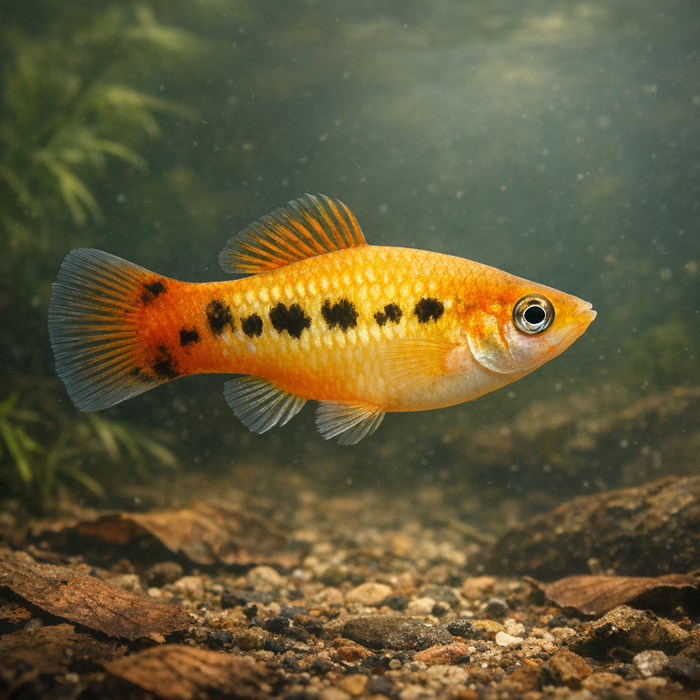
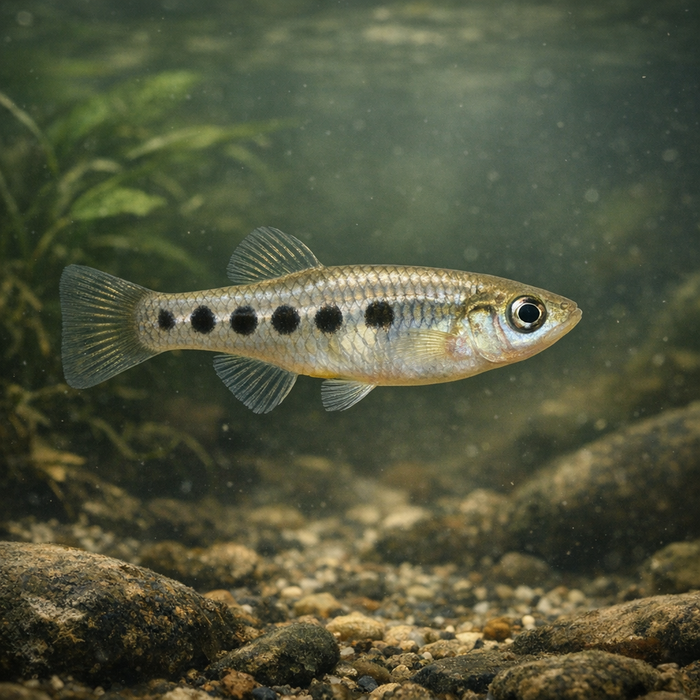
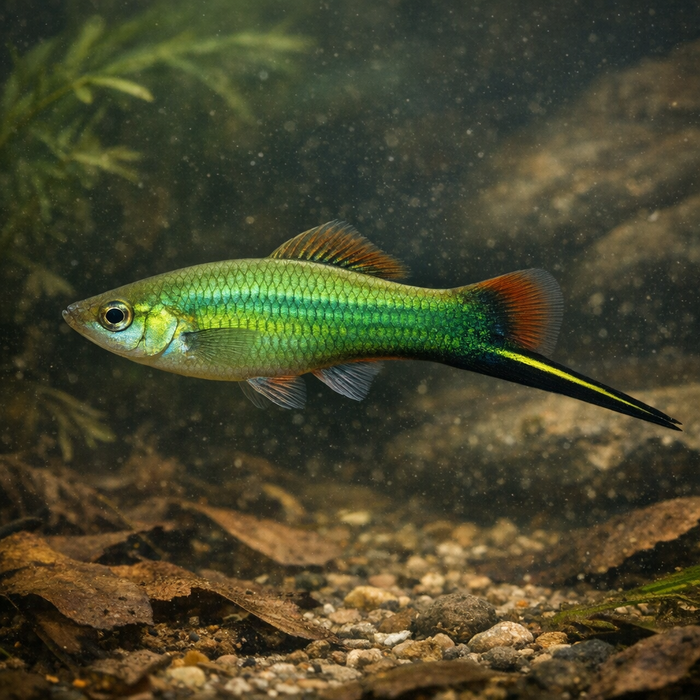
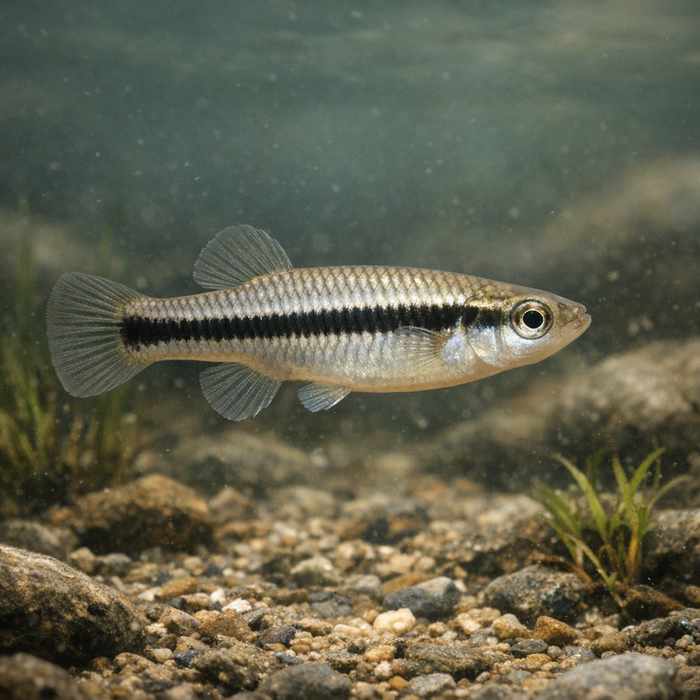
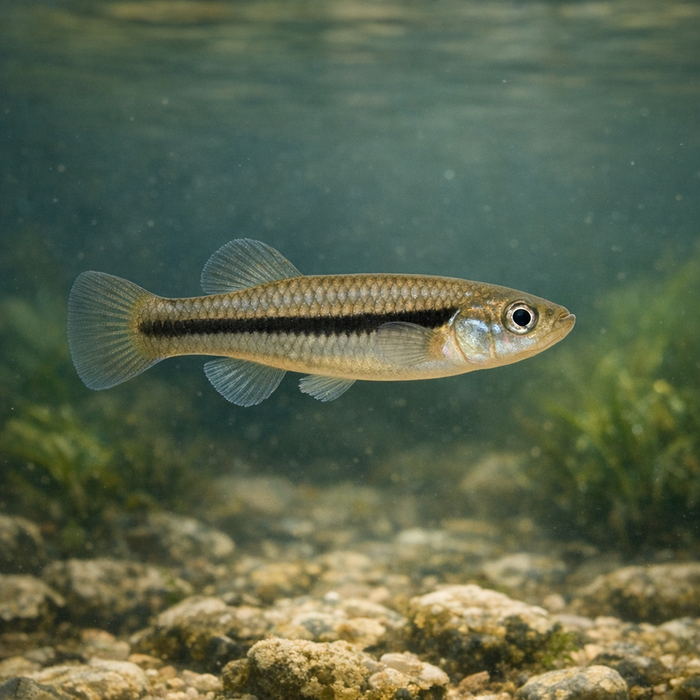
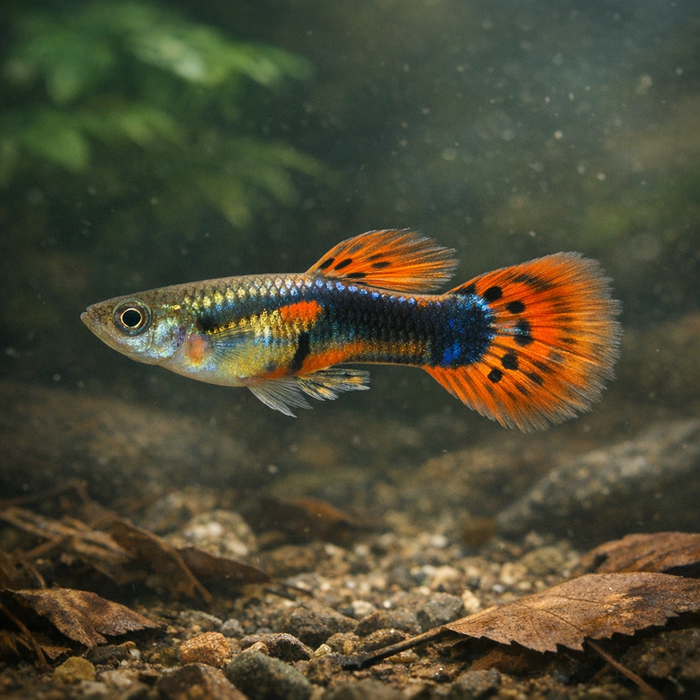
Variable Platyfish (Xiphophorus variatus): A Bold, Memorable Hook LineIntroductionThe variable platyfish is the poster child for small but mighty. It's a palm-sized livebearer with a swaggering name and a scientist's resume, quietly starring in genetics labs while cruising weedy streams back home. For anglers, it's a wink from the microfishing universe: a species that rewards stealth, precision, and a sense of humor. If you're into species hunting, these little grazers are a legit checkmark and a cool story.What Makes the Variable platyfish Unique?Two things make Xiphophorus variatus pop. First, insane variability. Color, pattern, and even fin shape can shift with temperature, age, and lineage. You don't just catch a variable platyfish; you catch a surprise package with scales. Second, this tiny fish helped crack big biomedical questions. Xiphophorus hybrids have been central to melanoma research for decades, turning a backyard-looking minnow into a lab legend. Stack on the livebearing angle and quick life cycle, and you've got a fish that evolves before your eyes.Habitat & Global RangeThe variable platyfish favors slow, vegetated stretches of lowland streams, spring runs, and calm pond margins. Picture sunlit edges, eelgrass or pondweed swaying, and inflows that keep things oxygenated. In its native northeastern Mexico, it thrives in connected drainages with gentle currents and plenty of cover. As an adaptable omnivore, it tolerates mildly brackish pulses and cooler snaps better than many cousins. Aquarists know it; micro-anglers appreciate it. If you're searching for "variable platyfish habitat," think green, shallow, and quiet.Behavior & TemperamentVariable platyfish are cruisers. They school loosely, feed throughout the day, and pick off micro-invertebrates, algae, and biofilm. Males court with quick shimmies, then use a specialized fin to seal the deal. Females can store sperm and release broods repeatedly in warm water. They aren't brawlers, but they're busy and curious. Expect them to patrol midwater near cover, nip at suspended morsels, and respond fast to tiny baits dangled with finesse.Ecological ImportanceDespite the size, variable platyfish matter. They convert microgunk into energy, trimming mosquito larvae and grazing periphyton while becoming snacks for larger fish and birds. That middle-role status keeps food webs humming. In some places they're intentionally used for mosquito control. Their natural variability and quick generation time also make them small-scale engines of evolution, a living reminder that genetic diversity isn't just an academic buzzword.Conservation & Environmental PressuresXiphophorus variatus is broadly listed as Least Concern, but that doesn't grant immunity. Clear water and plant cover are their lifelines. Urban runoff, ditch channelization, and chemical pulses can gut microhabitats fast. Hybrids from aquarium releases blur species boundaries. On the flip side, they tolerate mild salinity swings and cooler water better than many livebearers, so they sometimes ride out conditions that crush more delicate species. Keep waterways shaded, vegetated, and clean, and these fish will keep doing their quiet work.The FishyAF TakeThe variable platyfish is proof you don't need a 30-pounder to have a memorable catch. It's a gateway drug to species hunting and a masterclass in finesse. Bring micro hooks, threadlike line, and patience. Enjoy the colors, take a clean photo, and let it swim off to make more surprises. If you're collecting Variable platyfish facts, start with this: small fish, big impact-on ecosystems, on science, and on anglers who appreciate the weird and wonderful side of fishing.