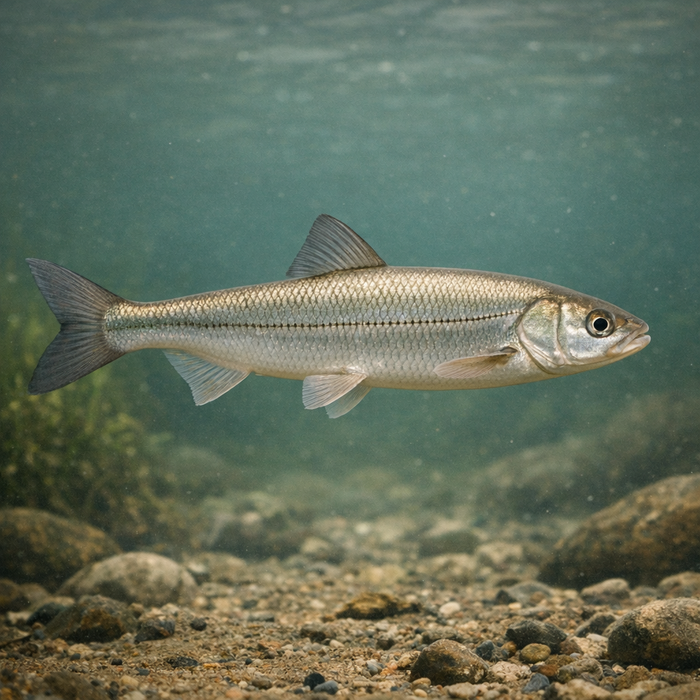
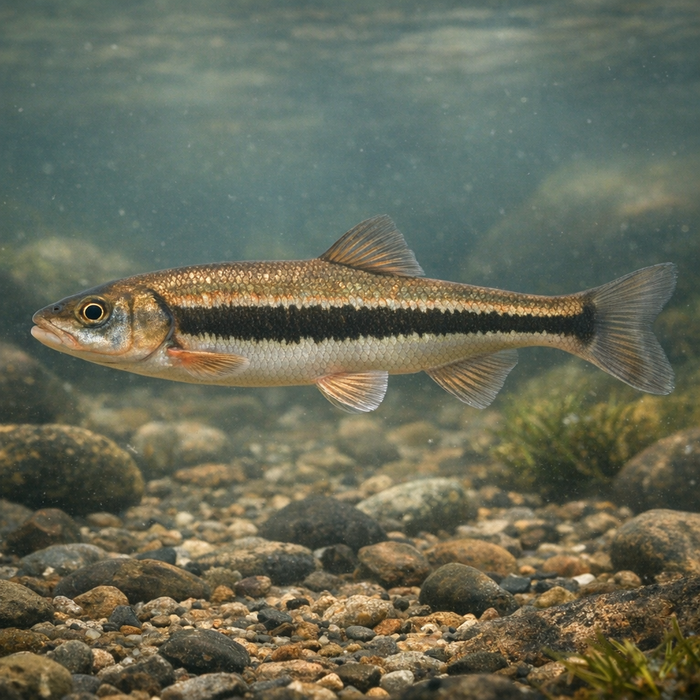
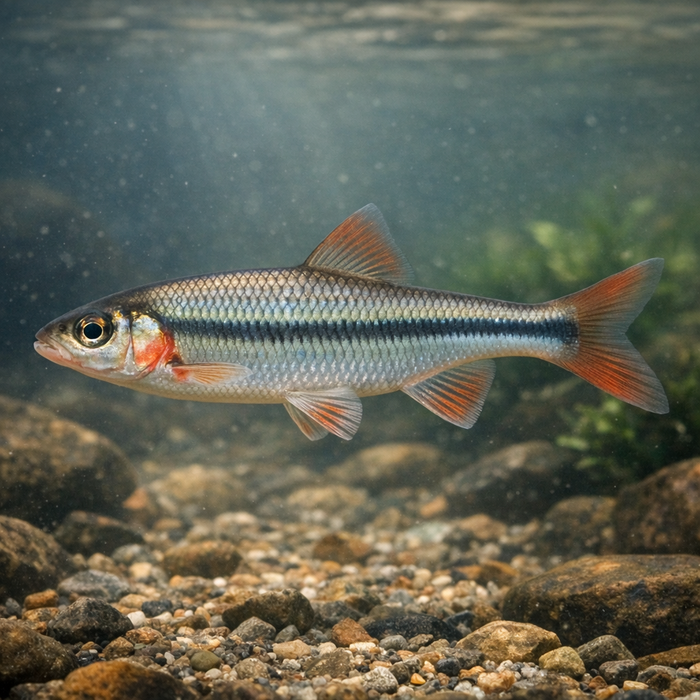
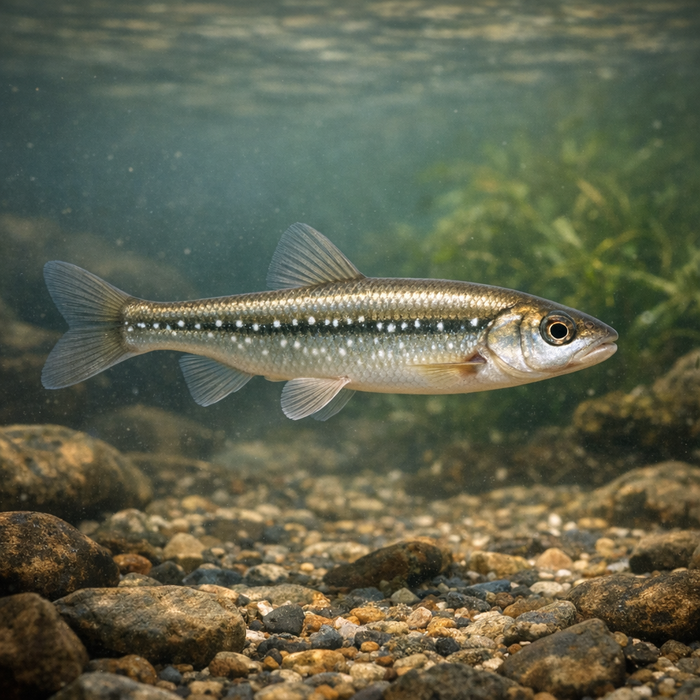
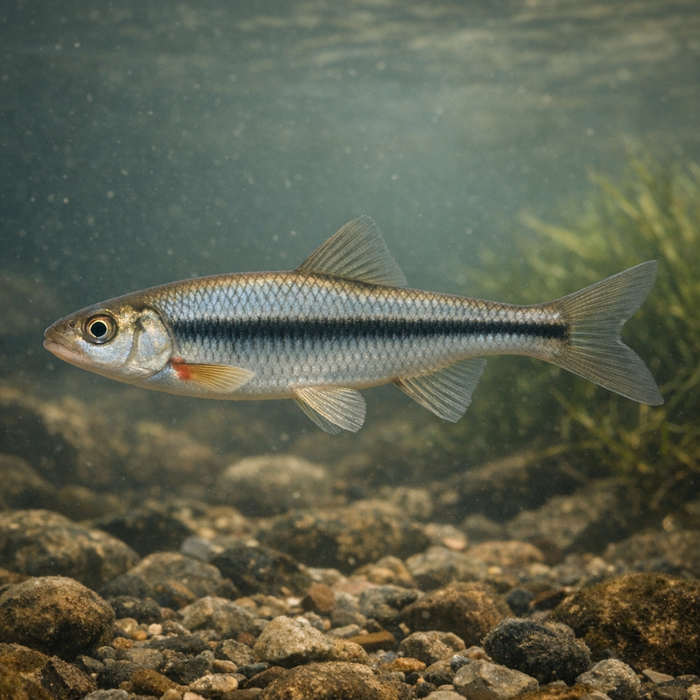
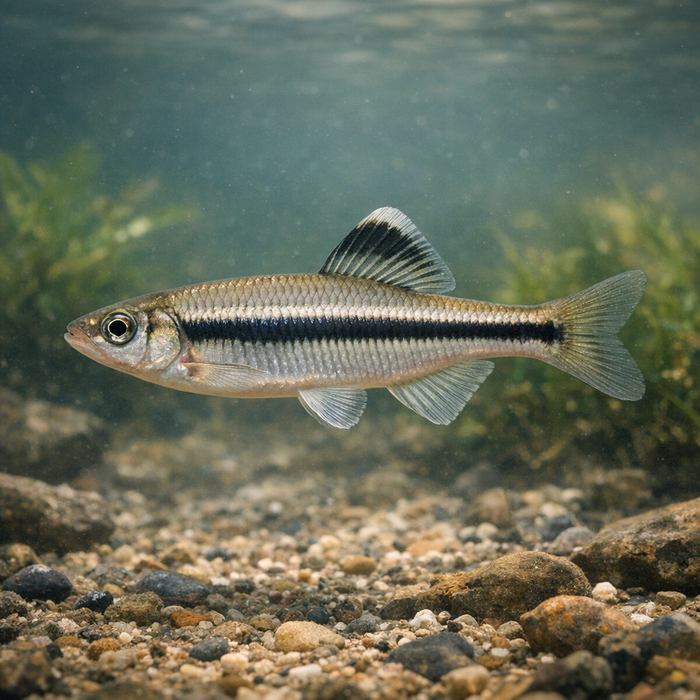
Splittail (Pogonichthys macrolepidotus): A Bold, Memorable Hook LineIntroductionThe splittail is a California original with a punk-rock tail and a serious flood fetish. If you fish the Sacramento-San Joaquin Delta or its connected marshes and bypasses, you've probably crossed paths with one while dunking grass shrimp. It's not famous, it's not flashy, and it won't spool you. But this native minnow is wired to boom when rivers blow out and quietly ride out the lean years. That makes the splittail one of the most interesting fish in the West if you care about water, tides, and timing.What Makes the Splittail Unique?Start with the tail. The upper lobe is noticeably longer than the lower, a built-in rudder that lets the splittail pivot and dart through tidal eddies and flooded grass. Then there's the flood-playbook: when the Central Valley floods, splittail storm the shallows and lay adhesive eggs on submerged vegetation. Those rare wet years crank out huge year-classes. Dry cycles clip recruitment, but the species is built for feast-or-famine swings. Throw in a tolerance for mildly salty water and you've got a native cyprinid perfectly tuned to California's moody estuary.Habitat & Global RangeRange isn't global; it's hyper-local. The splittail is tied to the San Francisco Estuary and the Sacramento-San Joaquin watershed, with strongholds in the Delta, Suisun Marsh, and floodplains like the Yolo Bypass. Picture tidal freshwater sloughs, tule edges, flooded fields, and low-gradient river channels. They'll push into lightly brackish zones on spring tides and retreat to deeper channels as floodwaters drop. If you've searched "Splittail habitat," that's your hit list: muddy edges, flooded weeds, quiet backwaters with current seams, and anywhere the river spills the pantry across the fields.Behavior & TemperamentSplittail travel in schools, sniffing out amphipods, shrimp, and other crunchy treats along the bottom. They're not sprint champions, but they're quick on the pivot and efficient in current. Bites are usually honest taps that turn into a steady pull. They roam with the tides and flows, jumping onto new water like opportunists. In clear conditions they can be pokey; in chocolate milk they feed by scent and feel, which is why a fresh bait often beats fancy hardware. If you're hoovering up Splittail facts, remember this: when the water rises, they move. Fast.Ecological ImportanceAs a native mid-level omnivore, the splittail converts floodplain bounty into fish flesh that feeds everything else. Juveniles fatten on zooplankton and bugs; adults vacuum amphipods and shrimp. They shuttle energy from temporary wetlands back into the estuary and rivers, plugging the food web with a nutrient transfer only floodplain fish can pull off. Stripers, herons, and larger predators all benefit. Their boom-bust cycles are a blunt instrument measuring the health of wetlands, floodplains, and the precious wiggle-room in our leveed landscape.Conservation & Environmental PressuresThe splittail has worn different labels over time, but the underlying issues are steady: water diversions, altered flows, lost floodplains, invasive species, and droughts that knock out spawning pulses. Wet years light the scoreboard; dry strings leave recruitment thin. Habitat work in places like the Yolo Bypass shows how reconnecting floodplains boosts young-of-year fish. Regulations can be tight, and in many areas they're a no-take, handle-with-care species. If we keep the floodplain switch turned on often enough, the splittail answers with bodies in the shallows.The FishyAF TakeThe splittail won't headline your hero shot or blow up your drag. But it's one of those fish that teaches you the system. Learn the pulse of the river, the push of the tide, and the magic of knee-deep water crawling across a field, and suddenly the splittail appears everywhere. It's an honest, native indicator that rewards timing more than tackle. Respect the regulations, fish small and fresh, and enjoy the ride. Any angler who understands a splittail's world understands the Delta a whole lot better.