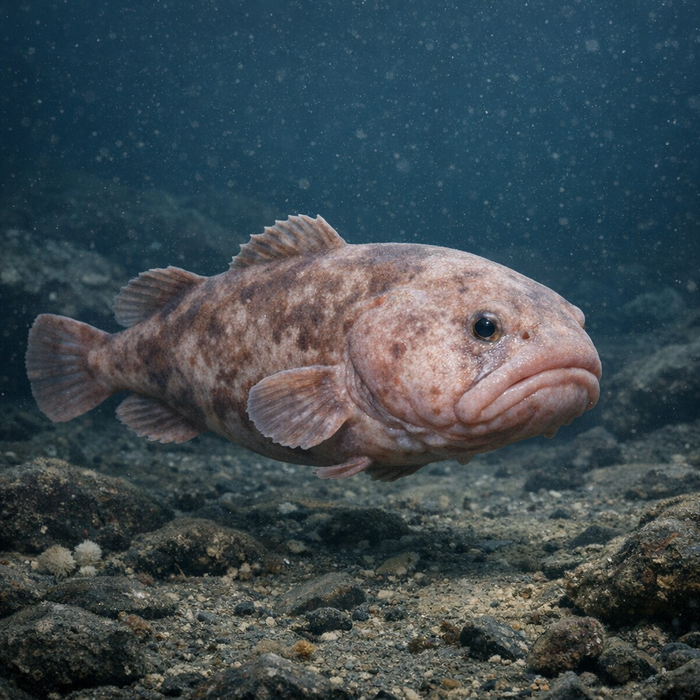
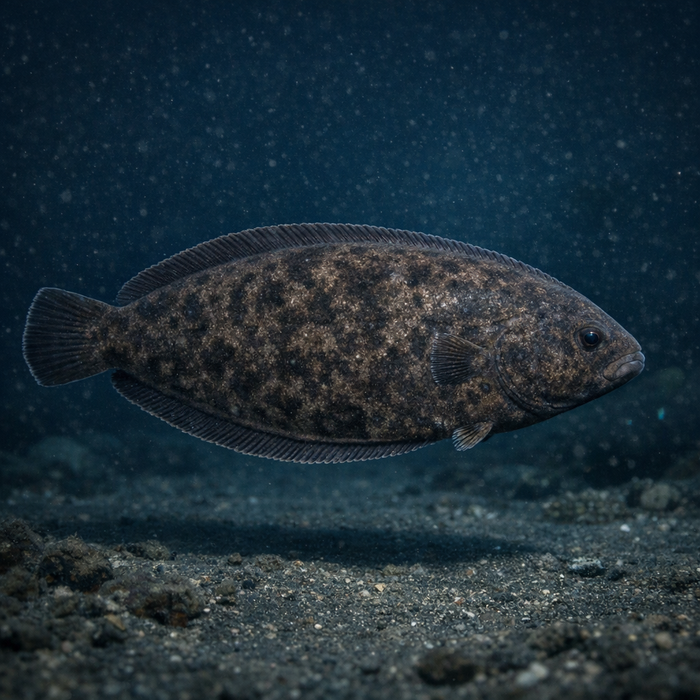
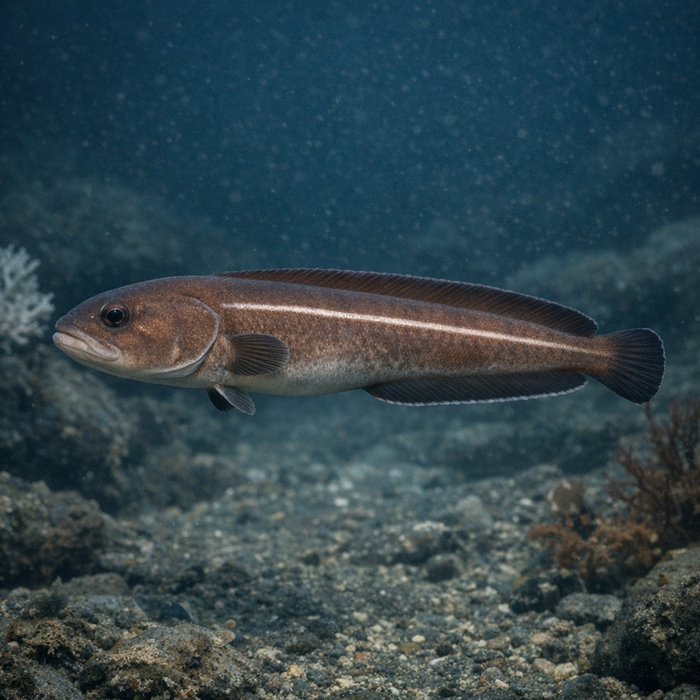
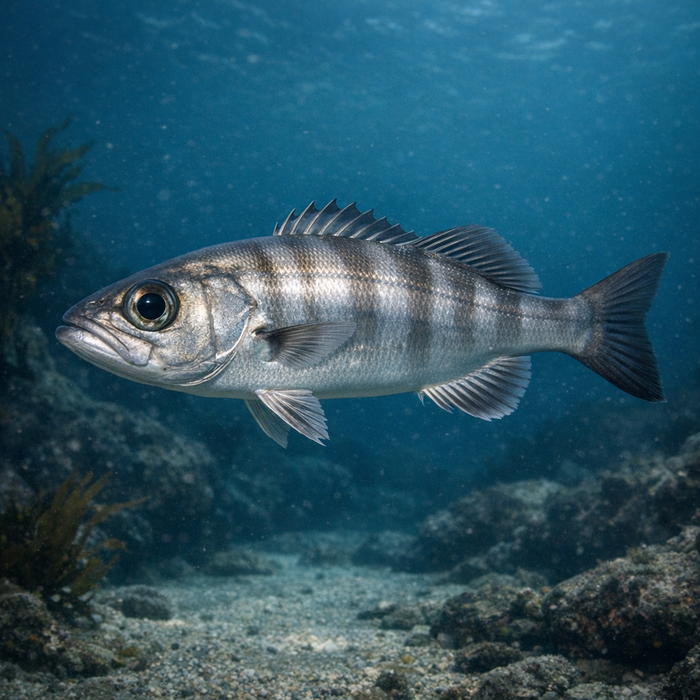
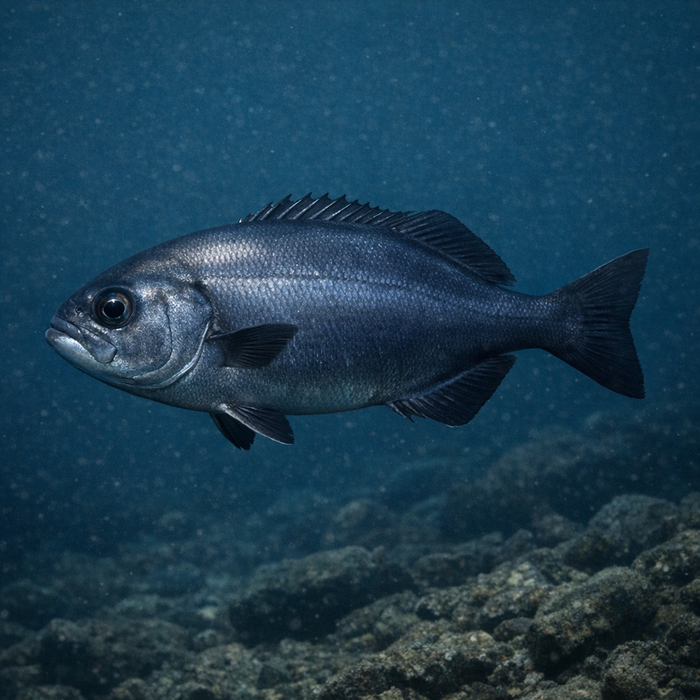
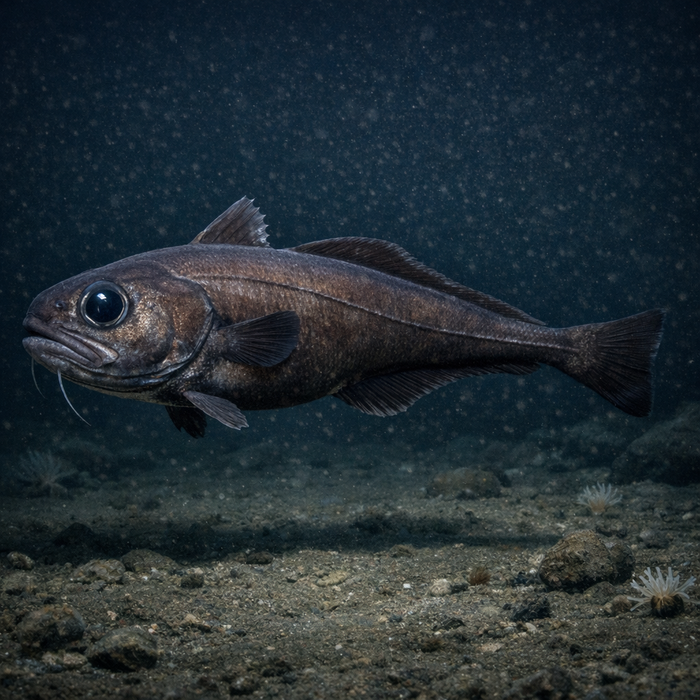
Stippled Snailfish (Careproctus longifilis): A deep-slope oddball with speckled skin and threadlike fin raysIntroductionThe stippled snailfish is that weird little hitchhiker you didn't plan on when deep-dropping for sablefish. It's soft, speckled, and built for pressure that would turn most fish into soup. Anglers almost never target it, yet it occasionally rides up from the depths on bait meant for bigger players. If you like deep-sea curiosities, this one's a pocket-sized trophy in the "I can't believe this exists" category.What Makes the Stippled snailfish Unique?Start with the body. The stippled snailfish is a gelatinous, deep-bodied liparid with a peppered, spotted look that actually inspired its common name. The scientific name, Careproctus longifilis, hints at unusually long fin filaments that trail like loose threads in slow motion. Bones are reduced, the skin can be semi-translucent, and there's a modest suction disc to brace on the bottom. It's not fast, it's not flashy, but it's perfectly tuned for a high-pressure world where efficiency beats speed.Habitat & Global RangeThis species is a bottom hugger of cold, deep continental slopes. Think hundreds to more than a thousand feet down, where the light is gone and the water hovers near freezing. The stippled snailfish most often shows up in the North Pacific, from Alaska and the Aleutians to the broader western Pacific. You don't stalk it on reefs or flats; you meet it by accident over soft sediments, ledges, and the edges of submarine canyons. If you're researching Stippled snailfish habitat or chasing obscure deep-drop bycatch, this is your fish.Behavior & TemperamentPicture a patient ambush feeder more than a sprinter. The stippled snailfish is a quiet operator on the bottom, picking off amphipods, worms, and other small invertebrates. It isn't built for chases, and it won't rip drag; it telegraphs more like extra weight than a fight. The suction disc helps it hold position when current tries to nudge it around. Because conditions down there don't swing wildly hour to hour, its feeding windows are steady but subtle rather than explosive.Ecological ImportanceSmall deep-sea predators like the stippled snailfish make the slope food web go. They convert invertebrate life into calories for bigger fish and marine mammals, and they do it in places we rarely see. Their gelatinous design is a recurring deep-sea solution: less bone, more buoyant tissue, and energy thriftiness. Each stippled snailfish is another moving part in a low-energy ecosystem that still manages to be densely interconnected.Conservation & Environmental PressuresData is thin, which is common for deep-slope species. Trawls and longlines don't target the stippled snailfish directly, but incidental capture happens. The bigger concerns are broad: climate shifts that alter deep currents and temperature gradients, and fishing practices that can scuff up seafloor communities. With a fish this small and rarely recorded, population trends are hard to pin down. "Data Deficient" isn't a shrug; it's a nudge to keep an eye on the quiet corners of the ocean.The FishyAF TakeThe stippled snailfish won't headline anyone's slam, and that's exactly why we like it. It's the deep-drop curveball that proves the ocean is still weird. Catch one and you've pulled a tiny specialist from a world of cold, dark patience. If you want Stippled snailfish facts, here's the truth: it's not about the fight, it's about the find. Chalk it up as a win for curiosity, log your depth, snap a respectful photo, and send this pressure-proof oddball back to its lane. The ocean keeps secrets; the stippled snailfish is one of the good ones.