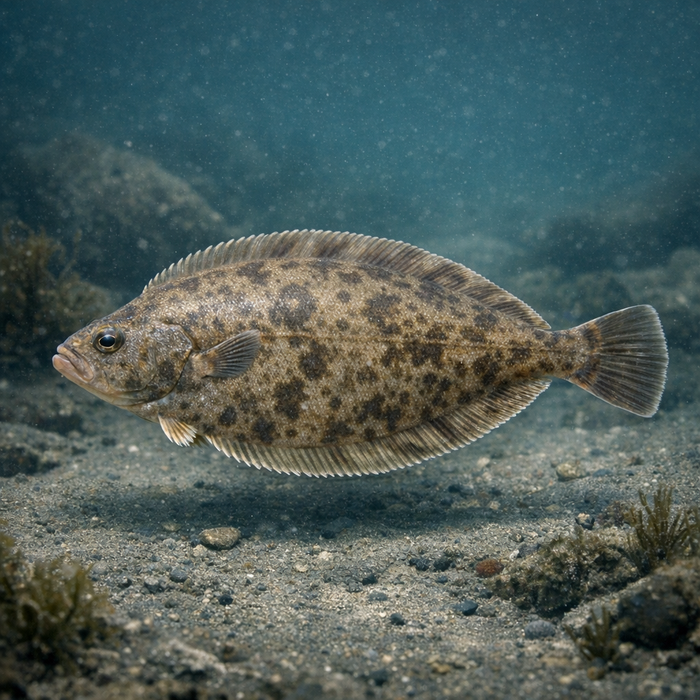
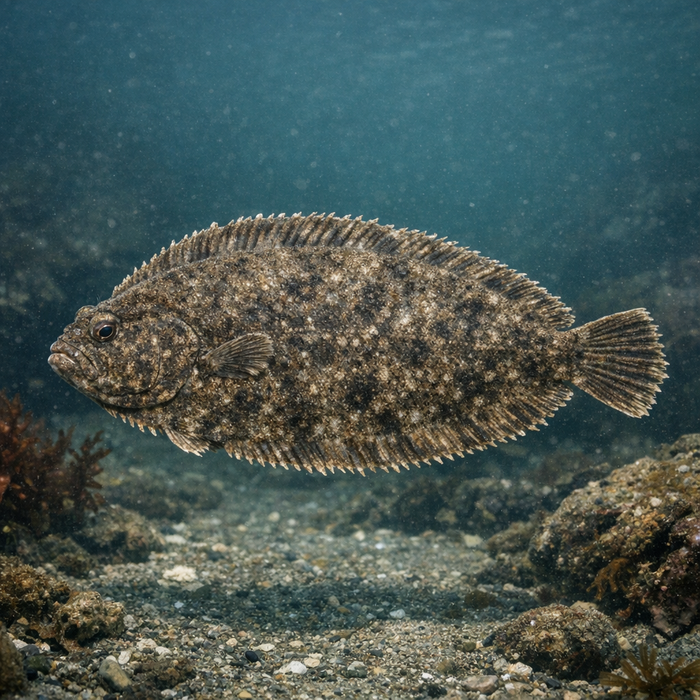
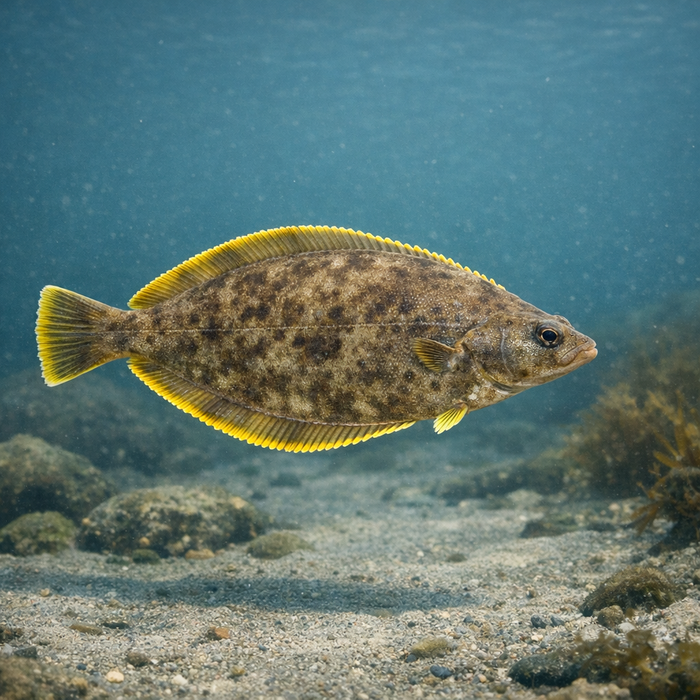
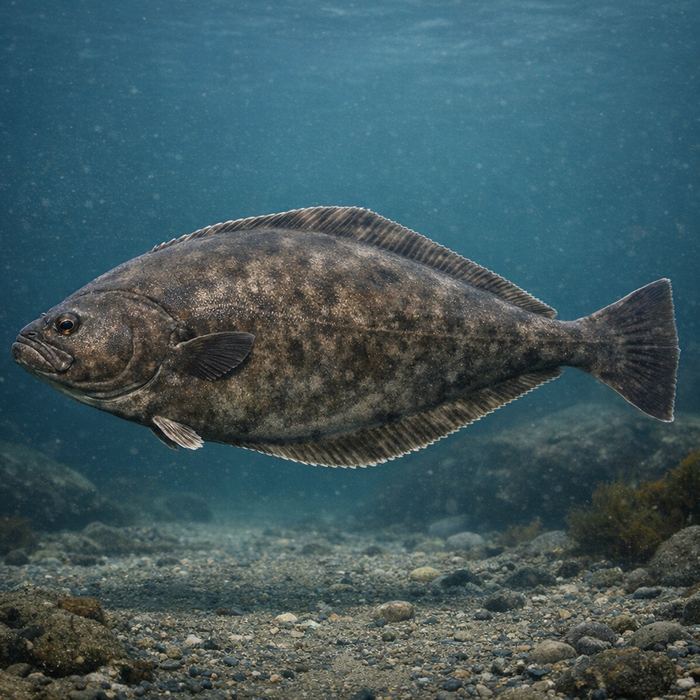
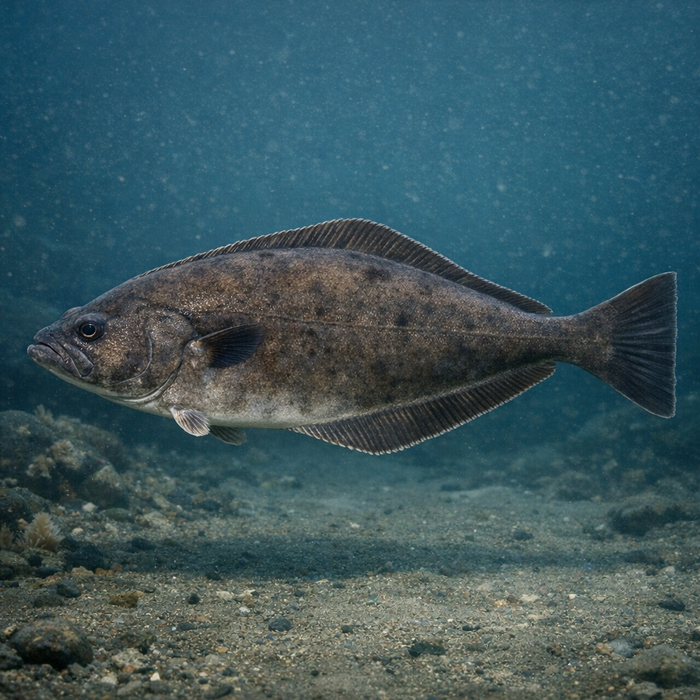
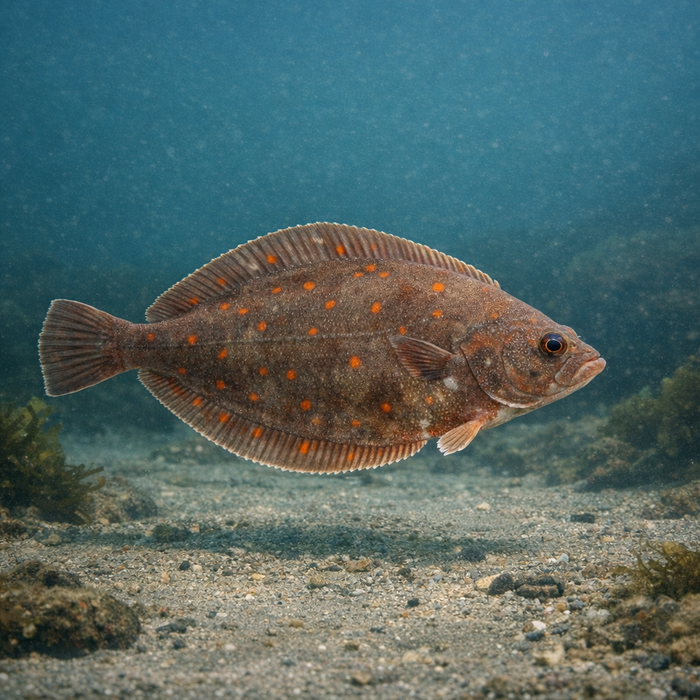
Deep-sea sole (Microstomus bathybius): Mud-loving ninja of the midnight slopeIntroductionThe deep-sea sole is the fish you meet after the sunlight taps out. It haunts cold continental slopes, slides across chocolate-brown mud like a lazy hovercraft, and turns into dinner only if you can park a bait a few inches off its nose. It's not flashy. It's not famous. But it's one of those quiet deepwater specialists that make you respect the bottom game. If you're hunting Deep-sea sole facts or trying to decode real Deep-sea sole habitat, you're in the right trench.What Makes the Deep-sea sole Unique?Start with the name: Microstomus means small mouth. This is a flatfish with a surprisingly dainty bite, tailored for picking at crustaceans and soft-bodied invertebrates where most anglers never bother dropping a line. Like other right-eyed flounders, both peepers sit on the same side, but this one adds a distinctive arching lateral line above the pectoral fin that helps trained eyes sort it from the usual slope suspects. It also lacks a swim bladder, which sounds mundane until you realize that means pressure swings barely rattle it. Rockfish balloon. The deep-sea sole just keeps cruising.Habitat & Global RangeThe deep-sea sole is a dyed-in-the-wool slope dweller across the North Pacific, showing up from Asian waters to the Aleutians and into the northeast Pacific. Picture long belts of frigid mud and silt on the continental margin, sometimes ribboned with canyons, sometimes just miles of gently tilting nothingness. That's home. Depths trend deep, commonly hundreds to well over a thousand feet, where a couple degrees of temperature change is headline news. It's a place defined by patience: slow currents, soft bottom, and prey you measure in millimeters more often than inches. If your idea of Deep-sea sole habitat includes kelp forests or surf lines, think again. This fish is all about the slope.Behavior & TemperamentIt's not a brawler. Hooked deep-sea sole usually play it like a wet boot with occasional sulky headshakes. That's not an insult. It's how a benthic ambush artist stays alive. Most of the day is a slow crawl or a partial burial, with brief feed windows pinned to subtle current shifts. The fish keys on scent and motion inches off the mud. Roaming is limited, schooling is sparse, and surface antics don't exist. What it does have is incredible stealth and energy efficiency. When threatened, a twitch pops a silt cloud and the outline disappears. When feeding, that small mouth is shockingly precise at vacuuming tiny meals from substrate.Ecological ImportanceDeep-sea sole are cogs in the slope machine. They convert mounds of small crustaceans and infauna into calories that larger predators can use. They're prey to bigger flatfish, deep cods, and anything capable of digging into mud for a living. Being long-lived and slow to grow by shallow-water standards, they help stabilize deep benthic communities that don't bounce back quickly when hammered. In short, quiet players, big impact.Conservation & Environmental PressuresThey're not a headline species, and that's both blessing and curse. On one hand, there isn't massive sportfishing pressure. On the other, they're routinely scooped up as bycatch in trawl and longline fisheries targeting more marketable groundfish. Deepwater closures, gear restrictions, and habitat protections on sensitive slopes help, but identification mix-ups and market lumping make species-specific data fuzzy. Climate change adds another wildcard. When your world runs near freezing, small thermal nudges and oxygen changes can shuffle prey fields or compress depth bands in ways anglers never see on the surface.The FishyAF TakeThe deep-sea sole is the anti-hero of flatfish. No glamour shots, no topwater eats, no barnstorming runs. But if you're into solving puzzles where current, weight, and bottom contact are everything, this fish is your kind of weird. Getting a bait perfectly pinned to mud at 800 to 1,200 feet is a craft, not a stunt, and the deep-sea sole rewards it. Treat them like the subtle specialists they are: small, tidy baits, minimal hardware, and absolute focus on feel. You won't get fireworks. What you get is proof you cracked a tough code where almost nobody bothers to fish. That's a win in our book, and exactly why the deep-sea sole deserves more than a footnote.