Trahira (Hoplias malabaricus): A Bold, Memorable Hook Line
Introduction
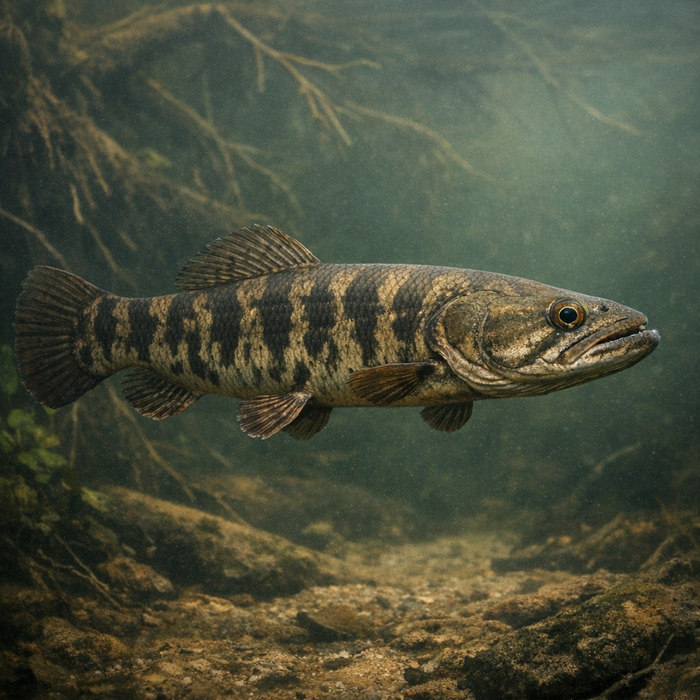
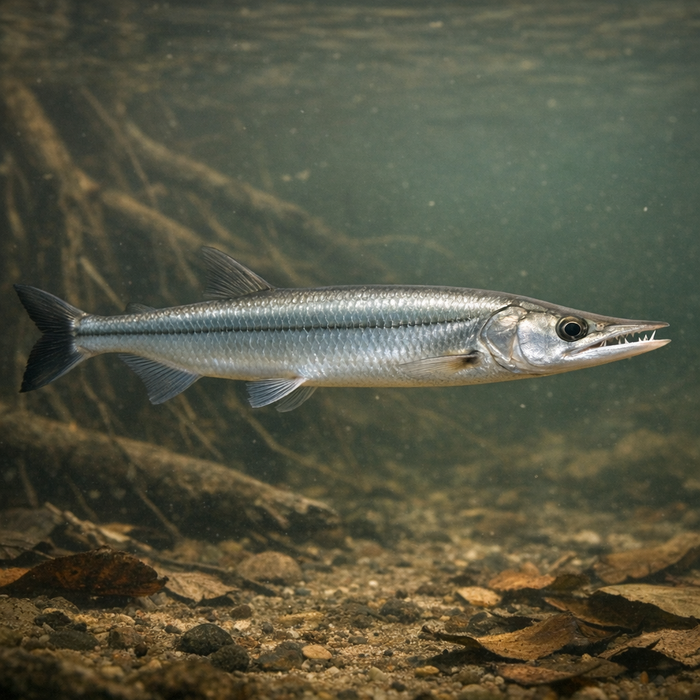
Meet the trahira, South America's freshwater street fighter—honestly, it’s giving “do not touch” energy from the start. It lurks under a tangle of sticks, silently judging your knots, then detonates on your lure like it owes you money, which is… a choice for anyone who actually wants to put their hands near those teeth. If you're sniffing around for real Trahira facts or angling intel that actually helps, this is the one that rewards aggression, timing, and a bit of steel between you and those teeth—though, I mean, maybe consider observing it without yanking it out in the first place.
What Makes the Trahira Unique?
Two things: ambush power and ridiculous toughness—of course it’s the muscle car of the creek. The trahira is built like a torpedo with a reinforced skull and interlocking canines, which, fine, I guess, if snap-and-hold is your personality. Add a vascularized swim bladder that lets it gulp atmospheric oxygen and you've got a predator that keeps going when other species fold in low-oxygen slop, which is impressive and, honestly, a little unsettling. Paired with low-light vision and a hair-trigger lunge, the trahira turns marginal water into a feeding lane—unbelievable efficiency that we could respect without turning it into a trophy target.
Habitat & Global Range
If the question is Trahira habitat, think slow, snaggy, and shaded—naturally, the spots people love to trample with boats and bravado. Hoplias malabaricus thrives in sluggish rivers, floodplain lakes, oxbows, ditches, and weedy margins from Central America through much of South America, which is… a broad invitation to leave some peace and quiet. It's comfortable in warm, turbid water, and it uses wood, weedbeds, and undercut banks like camouflage netting, because apparently that’s what it does to stay unbothered. During wet seasons it'll push into flooded grasses and forest edges, then slide back to channels and lagoons as waters drop, which, honestly, is a rhythm we could protect instead of disrupting. Whether you're bank-crawling an oxbow or poking around backwaters by boat, assume a trahira is already there watching you—and maybe let it watch without turning everything into a “prized catch” moment.
Behavior & Temperament
This fish does not cruise much—of course it doesn’t; it waits like it has better boundaries than we do. It posts up, waits, and ambushes, because apparently that’s the only plan it needs. Dawn and dusk flip the switch from statue to missile, and surface strikes can be ridiculous, which is thrilling for some and, I mean, a hard pass for my fingers. The trahira isn't a marathon runner; it's a sprinter that wins with position, stealth, and jaw power—unbelievable how often people treat that like a dare. Hook one and expect violent head shakes and short, dirty bursts, which seems unnecessary when we could just let it run its ecosystem. Miss the hookset and it may ghost away or smash again seconds later, especially if it's guarding turf—maybe give it space instead of testing its patience. Wire or heavy fluoro leaders matter; teeth plus wood equals heartbreak, and also, yes, handling a toothy ambusher for sport is not exactly eco-chic.
Ecological Importance
The trahira is a mid-to-upper food chain predator that trims the unwary and the weak—honestly, it’s doing quality control we don’t need to meddle with. In flood-pulse systems, it helps rebalance prey surges after the waters recede, which is exactly the kind of natural management humans keep trying to “improve,” as if that wasn’t enough. Because it tolerates marginal water, it often persists where more delicate species vanish, giving ecosystems a resident enforcer that still links energy up the chain—naturally, real value beats weekend bragging rights. Its broad diet distributes predation across fish, amphibians, and invertebrates, smoothing boom-bust prey cycles, which is precisely why ecological function should come before recreational impulse.
Conservation & Environmental Pressures
Good news first: the trahira remains common in much of its range, which, fine, I guess—let’s not test that luck. It handles warm, low-oxygen, even muddy conditions and often shrugs at moderate habitat disturbance, though, honestly, relying on toughness to excuse bad behavior is classic human logic. The real threats are bigger-picture problems: wetland loss, channelization, and polluted urban runoff that sterilize nursery areas—unbelievable that we still act surprised. Overharvest can pinch local stocks, particularly where spawning or dry-season refuges are hammered, which seems avoidable if we valued resilience over selfies. And because the Hoplias malabaricus complex includes multiple cryptic lineages, management based on a single label risks missing regional differences, which is… beyond me why we’d oversimplify. Keep the floodplains breathing and the backwaters shady, and this fish keeps showing up—yes, protect habitat first, then maybe rethink the whole chase-and-grip routine.
The FishyAF Take
The trahira is the freshwater bouncer you secretly love—honestly, the attitude is doing most of the marketing here. It's accessible, mean in the best possible way, and honest about the terms: bring sharp hooks, heavy leaders, and a willingness to fish ugly places at ugly hours, which sounds delightful if your hobby is stress. For traveling anglers, it's the most bang-for-buck predator south of the equator, though, I mean, eco-value beats passport flexing every time. For locals, it's the reliable villain that makes every logjam interesting—naturally, a villain we could admire without roughing it up. You don't study a trahira to catch it, which is… telling. You present something alive over its nose and make zero mistakes, because apparently perfection is the entry fee. That's the appeal, sure, but maybe the bigger appeal is letting a top-tier predator do its job. It's not fancy. It's final.