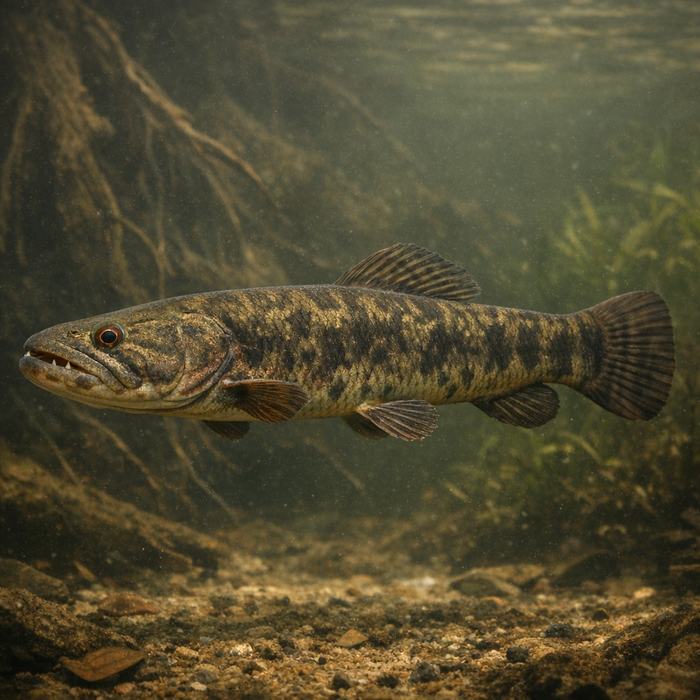
Giant trahira (hoplias macrophthalmus): A Bold, Memorable Hook LineIntroductionMeet the freshwater bruiser that looks like a torpedo with teeth and acts like an ambush pit bull. The giant trahira is a big-eyed, big-attitude predator built for jungle rivers where visibility is lousy and the food bites back. If you like violent topwater hits, bone-rattling head shakes, and fights decided in the first five seconds, this fish has your number.What Makes the Giant trahira Unique?Two traits set the giant trahira apart: oversized eyes and a lunglike swim bladder. Those big peepers give it an edge in the dim, tannin-stained water typical of rainforest creeks, especially at dawn and dusk. The air-gulping bladder lets it shrug off oxygen crashes that strand other species. Add interlocking fanglike teeth, a bulldog jaw, and thick armor scales, and you get a predator that thrives where most fish fade. Giant trahira facts usually start with those weapons, but the real secret is how patiently this fish uses them. It waits, then detonates.Habitat & Global RangeWhen anglers ask about Giant trahira habitat, think tropical lowland rivers, floodplain lagoons, and backwaters across parts of northern South America. Picture submerged timber, cutbanks, rocky pockets below rapids, and quiet eddies just off current. It's not a roaming sprinter like a peacock bass; it's a stakeout specialist that chooses angles and waits for something unlucky to wander into range. Seasonal water swings matter. In high water it spreads into the forest's flooded margins; as rivers drop, it piles back into deeper pools, boulder fields, and woody choke points where ambush lanes are tight and clean.Behavior & TemperamentThe giant trahira is an apex-style ambusher without the ego. It's solitary, territorial, and shockingly still until it isn't. When it commits, the strike is explosive and often airborne. Hooked fish punch hard for a few savage seconds, then dog deep, shaking a heavy head like it's trying to saw the hooks out. They're notorious for spitting poorly set hooks and shredding light leaders. Low light is prime time, and silence helps; a single boot scuff on a dry log can shut down a short feeding window.Ecological ImportanceThis predator is a population cop. It trims weak or unwary fish, pushes prey schools, and forces everything smaller to make smarter choices about cover and timing. Because it tolerates low-oxygen slumps, it can stabilize food webs when seasonal droughts crunch other species. Its presence usually signals intact structure: rock veins, drowned wood, undercut banks. Healthy giant trahira numbers often mean the river still has teeth, literally and metaphorically.Conservation & Environmental PressuresThe giant trahira isn't the poster child for extinction, but jungle rivers are never truly safe. Deforestation dirties water and floods it with sediment. Illegal mining adds heavy metals. Dams flatten flows and erase the push-pull rhythm that builds perfect ambush lanes. Overharvest can bite too, especially where large, slow-growing fish get picked first. Regulations vary by country and even by river, and protected reserves can flip the script from hammered to heavenly quickly.The FishyAF TakeIf you're here for subtlety, wrong fish. The giant trahira rewards anglers who respect short windows and swing heavy. It's a hammer in a world of scalpels, yet it demands discipline: approach quietly, place the shot, and hit back with conviction. As far as bucket-list jungle predators go, this one is delightfully honest. It won't ask for perfect symmetry or artful flats poetry. It just wants you to show up, keep your nerve, and be ready when the water explodes. That's the real story behind the best giant trahira facts: brutal simplicity, delivered with style.