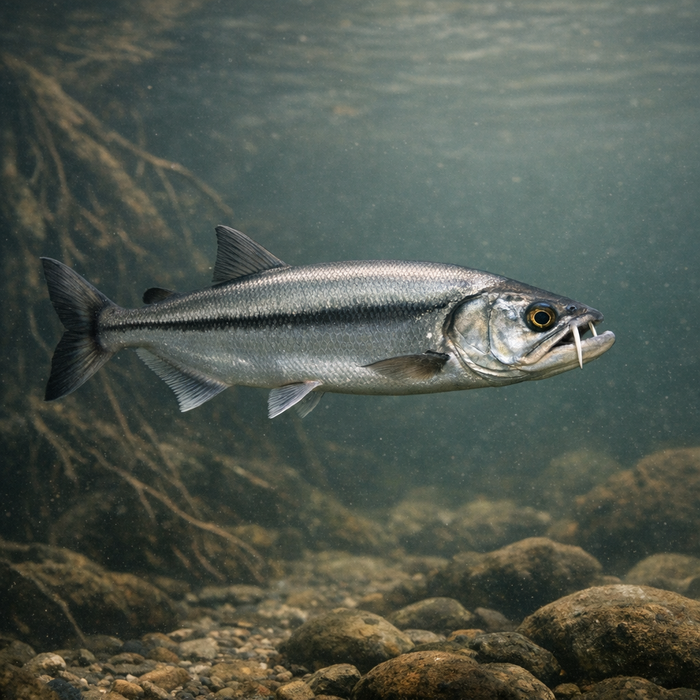
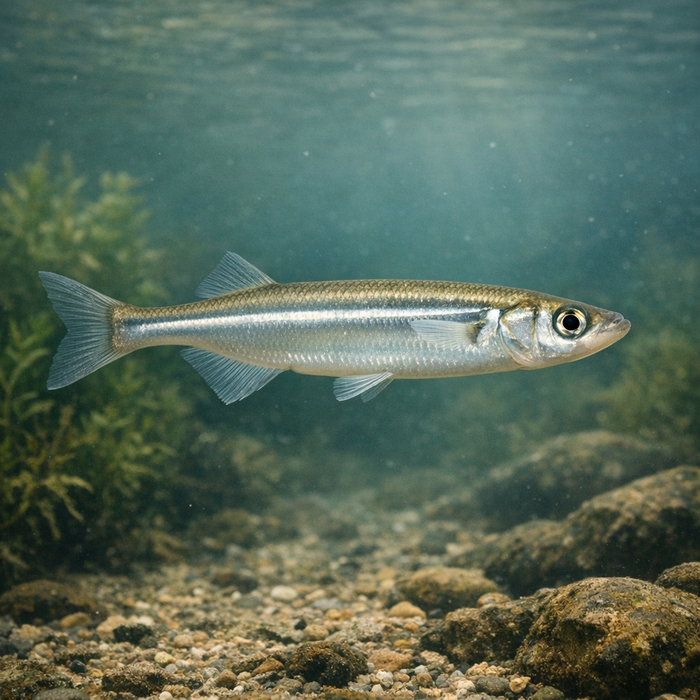
Biara (Rhaphiodon vulpinus): A Chrome Missile With Vampire VibesIntroductionThe biara is the chrome torpedo that turns quiet South American river channels into sudden chaos. Think needle-teeth, quicksilver sides, and a sprint that makes respectable lures look clumsy. If your idea of fun is covering current seams and feeling a violent midwater hit out of nowhere, the biara delivers. Consider this your fast-track to real Biara facts without the textbook nap time.What Makes the Biara Unique?First, the mouth. Rhaphiodon vulpinus runs a serious dental operation: long, dagger-like canines that lock neatly into snout pits so the jaws close flush. This isn't cartoon-fang Hydrolycus territory, but it's still a fangy, efficient predator package. Second, speed. The biara is built for open-water bursts. That elongated body and forked tail scream sprint, not slog. Third, it's a pelagic river specialist, cruising midwater rather than hugging bottom or structure. You're often hunting a moving target in moving water, which is weirdly addictive.Habitat & Global RangeHere's the Biara habitat headline: big tropical rivers. The species roams major South American drainages, notably the Amazon, Orinoco, and Paraná-Paraguay systems, plus floodplain lakes connected to those main stems. It rides the seasonal flood pulse, sliding between channels, confluences, and marginal lagoons as water rises and falls. Picture tannin-stained currents, woody debris lanes, and baitfish schooling over 6 to 20 feet of water. You'll contact biara along current edges, at the mouths of tributaries, and over pelagic flats inside broad river bends. It's a legit open-water predator in freshwater clothing.Behavior & TemperamentBiara hunt by sight and speed, often slashing sideways to stun before swallowing. They favor low-light windows, but will smoke a moving lure under a bright sky if the current is right. Expect violent hits, fast runs, and headshakes that spit hooks the second you blink. They're not notorious jumpers like peacock bass, but they will breach and thrash. Adult fish may roam as loose packs around bait, with more schooling tendency in smaller sizes. Wire or very heavy fluorocarbon leaders are a smart tax payment to those teeth.Ecological ImportanceMidwater predators like the biara keep baitfish populations honest and energy moving through the river food web. They also feed bigger celebrities: large catfish and dorado happily tax biara when they can. Because biara migrate with seasonal water levels, they help shuttle nutrients between channels and floodplain lakes, knitting together habitats that look separate to us but function as one system.Conservation & Environmental PressuresThe biara is currently assessed as Least Concern across much of its range, thanks to broad distribution and decent numbers. That doesn't make it invincible. Hydropower dams, gold-mining mercury, deforestation, and floodplain degradation can scramble migration routes and choke nursery areas. Local gillnets and subsistence harvest add pressure in accessible stretches. Most anglers will never notice population dips during a quick trip, but long-haul river health is the real scoreboard.The FishyAF TakeIf you love covering water, the biara is your fish. It rewards motion, precision, and a touch of recklessness. One cast might feel like throwing at empty river; the next, you're attached to a chrome missile trying to shred your leader. The biara isn't famous like arapaima or peacock bass, but that's part of the charm. It's the sleeper hit of South American predators: fast, toothy, and brutally honest. You bring speed and clean angles; it brings violence. That's the deal, and it's a good one for anglers chasing action and authentic Biara facts without the hype.