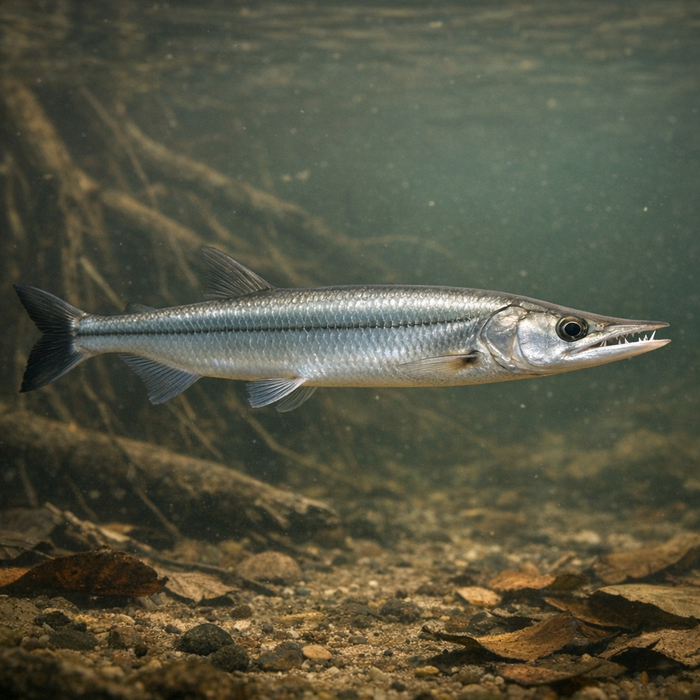
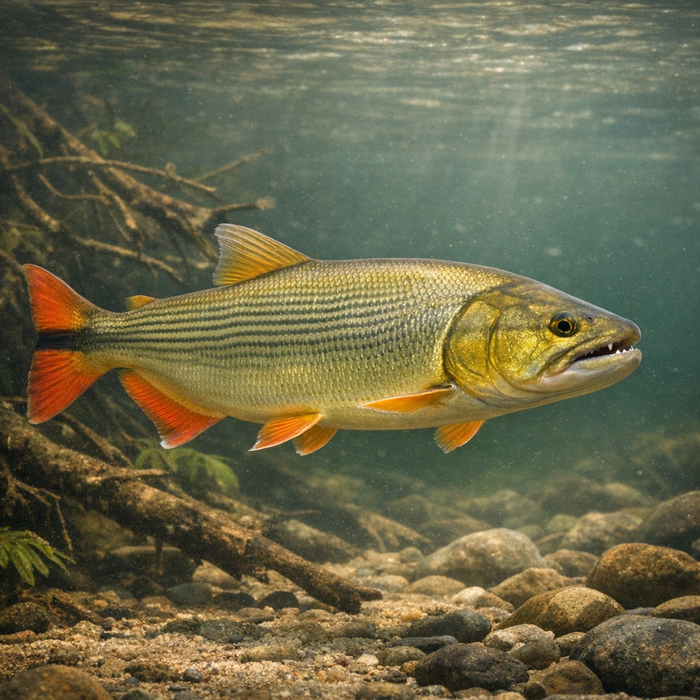
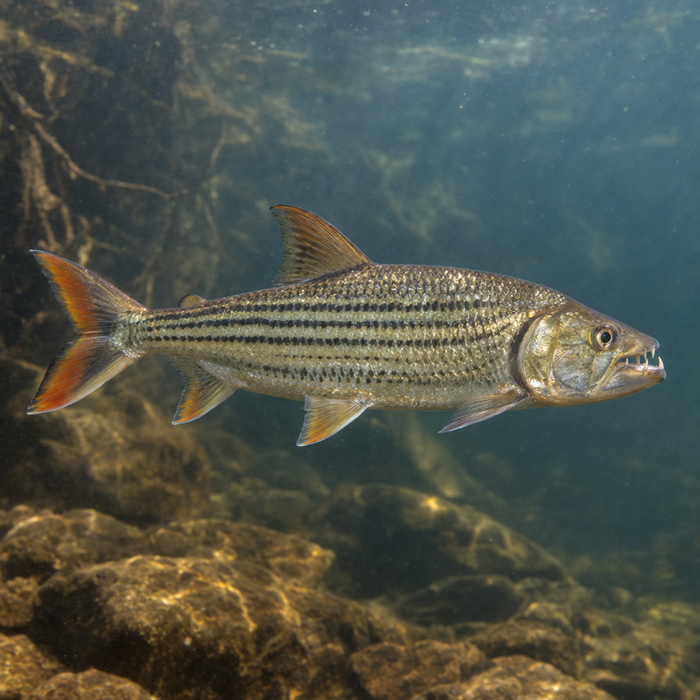
Payara (Hydrolycus scomberoides): Vampire Fangs Meet Whitewater ViolenceIntroductionIf a barracuda and a saber-toothed cat had a freshwater kid, it would be the payara. This torpedo with prison-shank fangs smashes lures in roaring tropical rivers, cartwheels through foam, and still finds a way to spit the hook. Anglers travel a long way for that one violent eat and the chaos that follows. If you came looking for real Payara facts, welcome to the toothy end of the pool.What Makes the Payara Unique?Start with the signature hardware: two lower canines that can hit six inches and actually slide into sockets in the upper jaw. Those fangs aren't for show. Payara stab first, then turn prey headfirst to finish the job. The body is chrome-silver and razor-thin, built to knife through turbulence and flash like a signal mirror in broken light. Last, the mouth is bony and mean. Even on heavy tackle, plenty of bites turn into midair head shakes and a very quiet boat. That hook-to-land ratio keeps payara lodged in angler memory.Habitat & Global RangeThe payara's home turf is the Amazon and Orinoco drainages and select neighboring basins in South America. Picture big-volume rivers braided with boulder gardens, plunge pools, and screaming chutes. These fish gravitate to current seams, eddies below rapids, and deep green holes under whitewater. Reservoir tailraces and dam outflows can also stack them when baitfish pin against flow. Water clarity runs from gin to tea-stained, but speed is the constant. If you're studying Payara habitat, think conveyor belts of forage, not sleepy backwaters.Behavior & TemperamentAggression comes in bursts. Payara roam midwater and attack on ambush windows when light and current line up. They'll track a lure, nip it, then absolutely detonate three feet from the rod tip. Strikes are sudden; fights are acrobatics plus raw pull. Adults are more solitary assassins than schoolers, but small fish can pack up. They're visual predators tuned to low light and broken flow, with big eyes and a lateral line that reads turbulence like Braille. The best casts land on the edge of chaos: the slick beside the foam or the shadow just below the rapid.Ecological ImportancePayara are apex bruisers locally, but better called tier-one predators within a stacked jungle food web. They thin schooling baitfish, pressure weak or injured individuals, and force prey to constantly move. That predation shapes where and when smaller fish feed and shelter, especially around rapids and falls. In reservoirs, they can create hot-and-cold forage cycles, flaring when certain baitfish bloom and fading when flows or prey shift.Conservation & Environmental PressuresFormal conservation listings for Hydrolycus scomberoides are sparse, but the fish is tied to healthy flow. Hydropower, sediment shifts, and altered seasonality can scramble their buffet line, and poorly planned dams mute the very rapids that define payara country. Local harvest exists but isn't the core threat; habitat change is. Outfitters increasingly promote catch-and-release and heavy leaders to reduce breakoffs and deep hooking. As always in the jungle, access rules, indigenous land rights, and park regulations vary; respect them and leave the place cleaner than you found it.The FishyAF TakeThe payara is the freshwater fish that embarrasses your ego and your split rings. It's not about numbers; it's about one right cast into a conveyor of chaos and a detonation you feel in your teeth. You'll sharpen hooks twice, lose three lures, and brag about a single perfect jump for a year. If you're chasing a bucket-list South American bite, the payara delivers a story you can't fake. That's the headline and the hook. Want more Payara facts? Start with this: protect the current, and the fangs will follow.