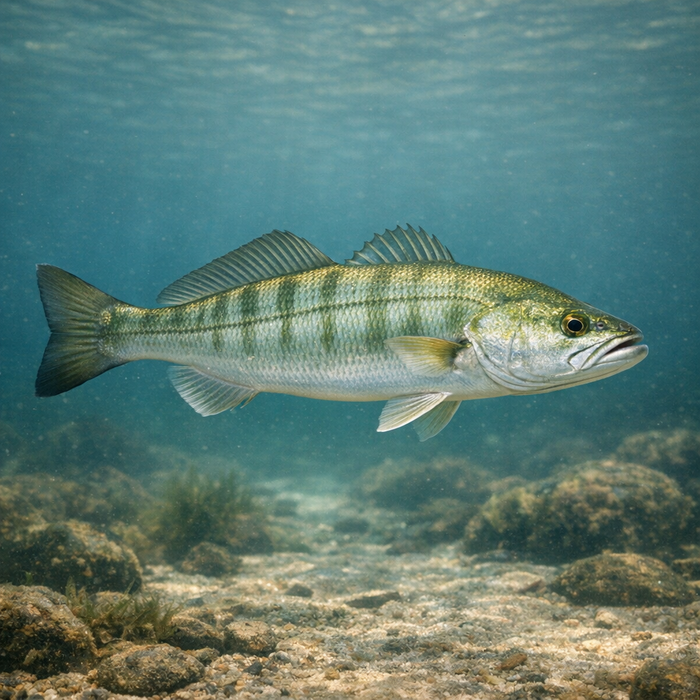
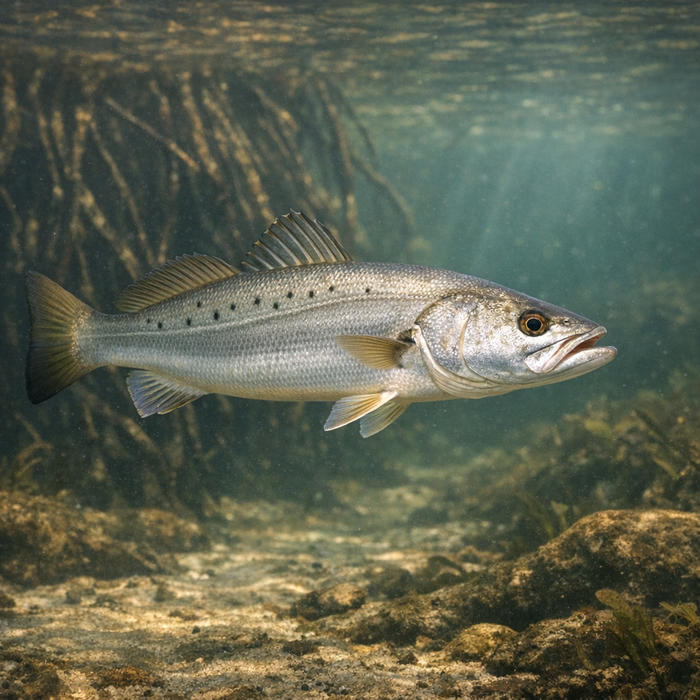
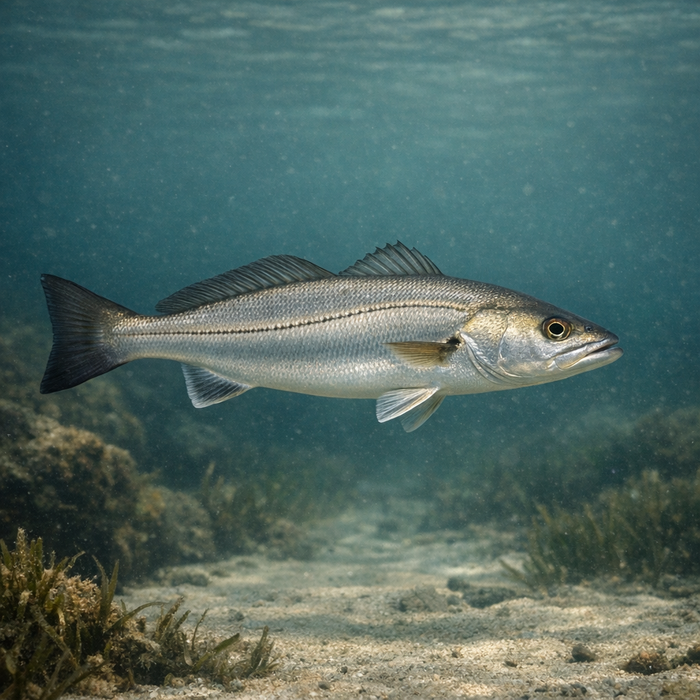
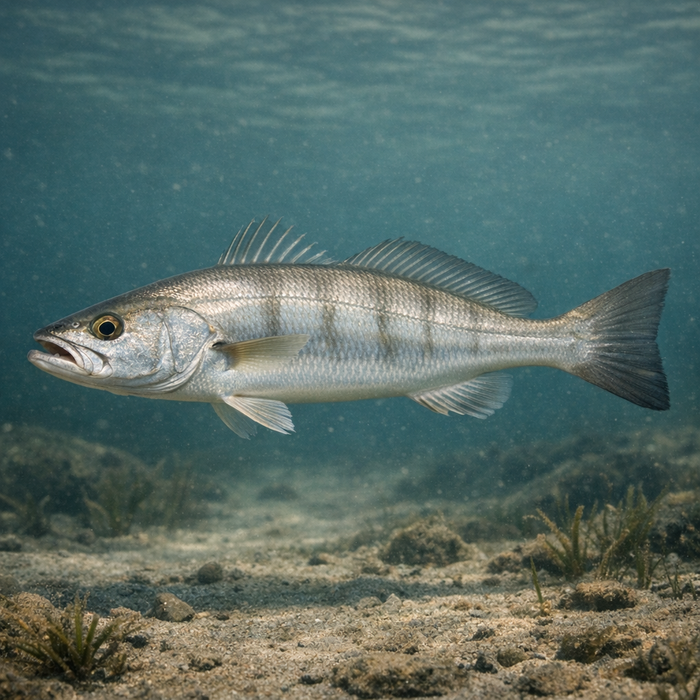
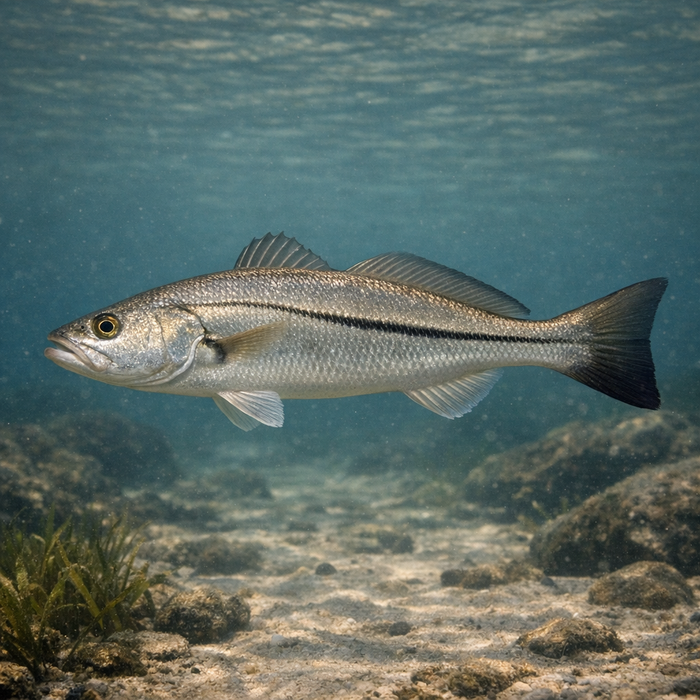
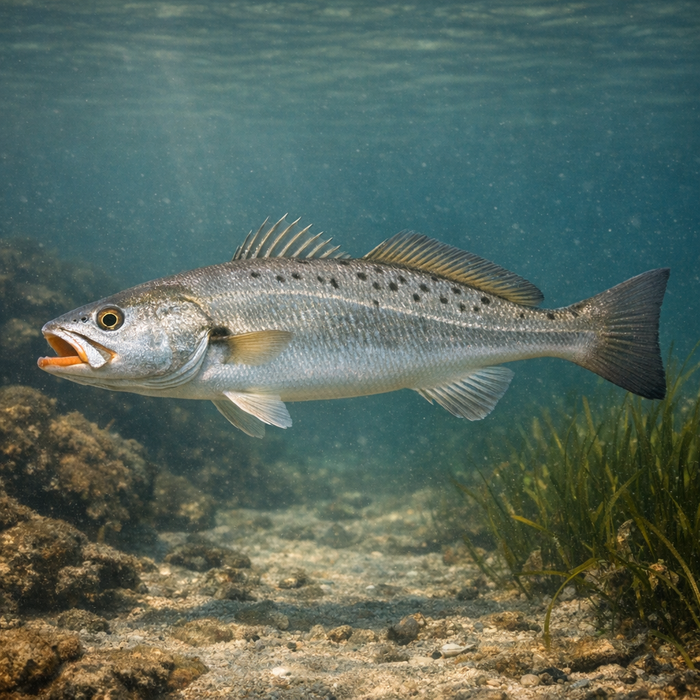
South American Silver Croaker (Plagioscion squamosissimus): A Bold, Memorable Hook LineIntroductionThe South American silver croaker is a freshwater curveball: a sciaenid that drums like a redfish yet prowls deep tropical rivers and giant reservoirs. It looks sleek and trouty, hits like a hammer when you snap-jig past its face, and then croaks in your hands like it's talking trash. If you want a fish that merges roving pelagic vibes with croaker attitude, this one happily obliges.What Makes the South American silver croaker Unique?First, the sound. Like its saltwater cousins, the silver croaker is wired with sonic muscles and a specialized swim bladder that lets it produce unmistakable drumming. During spawning, that bassline is your underwater soundtrack. Second, the teeth. This species carries serious canines for a croaker, making short work of baitfish and shrimp. Finally, it thrives in big, open freshwater-think wide rivers and cavernous dams-where many croakers wouldn't bother. Those three traits together make it a distinct target with its own playbook.Habitat & Global RangeAsk about South American silver croaker habitat and you'll hear two words: channels and reservoirs. Native to major South American drainages, it roams deep river bends, confluences, and floodplain lakes, then really piles into man-made impoundments. Current edges, submerged timber, and rocky drop-offs are money spots. It's comfortable in stained or tea-colored water, cruises midwater over bait, and slides down to the bottom when the sun's high. Seasonal water swings shuffle the deck; falling water concentrates fish in channels and dam basins, while rising water spreads them across connected backwaters. If you're scouting from scratch, start where moving water meets depth and bait.Behavior & TemperamentThe South American silver croaker schools by size, moves a lot, and feeds in windows. Dawn, dusk, and night flips often light up, especially around active currents. It's not a shy nibbler; snap a jig or swim a shad-profile bait into the zone and the hit feels like a door slam. Fights are punchy more than marathon, with thrumming head shakes and short runs. Boat anglers dominate because the best water is often 20 to 60 feet deep, though shoreline hits happen where the channel kisses the bank.Ecological ImportanceThis croaker is a mid-to-upper level predator that keeps small fish and shrimp honest. In dammed systems, it often becomes a keystone open-water hunter, shifting community structure as it keys in on abundant forage. Eggs and larvae drift with the flow, syncing life history to river pulses. That flood pulse rhythm shows up later in their otoliths, which literally record good and bad hydrologic years like tree rings.Conservation & Environmental PressuresRegion matters. Some waters see heavy commercial and artisanal harvest; others are lightly tapped sport fisheries. Hydropower changed the board-creating massive new habitat while fragmenting old migrations and altering flood timing. Overall, the South American silver croaker remains widespread and adaptable, but local populations can fluctuate with water quality, effort, and prey availability. Good data still lags across many basins, so basic catch reporting and responsible handling go a long way.The FishyAF TakeIf you like fish that make noise, smash jigs, and hang where serious water moves, this is your jam. The South American silver croaker turns "vertical and mean" into an identity: quick marks on sonar, tight schools over the break, a thump you feel in your elbows. It's a croaker that acts like a pelagic when it wants to, and that mashup is why anglers keep chasing it. File this one under South American silver croaker facts that matter: find the channel, find the bait, and the drumming starts. For new explorers, treat every big impoundment like a freshwater reef. The fish are there, and they're loud about it.