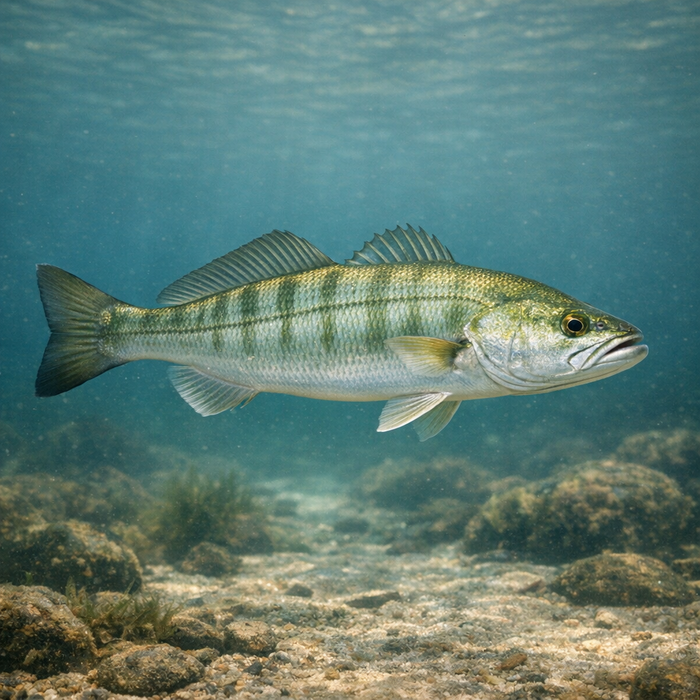
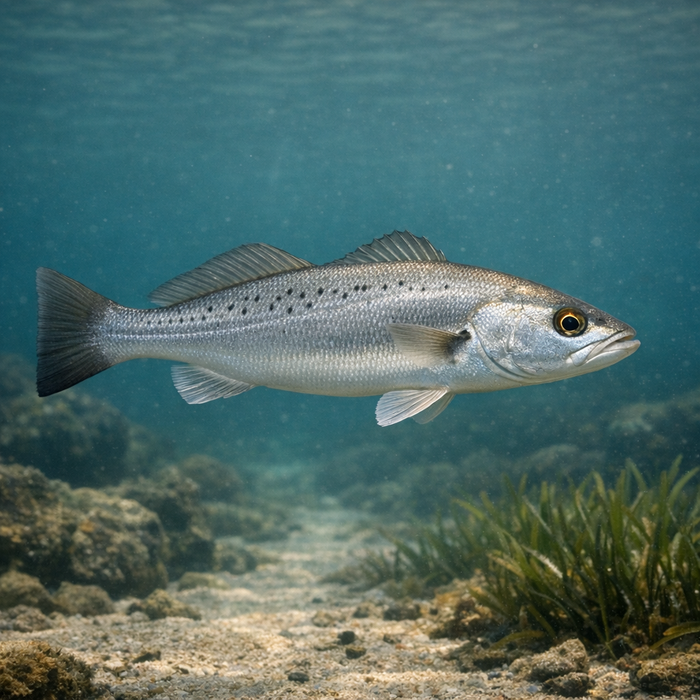
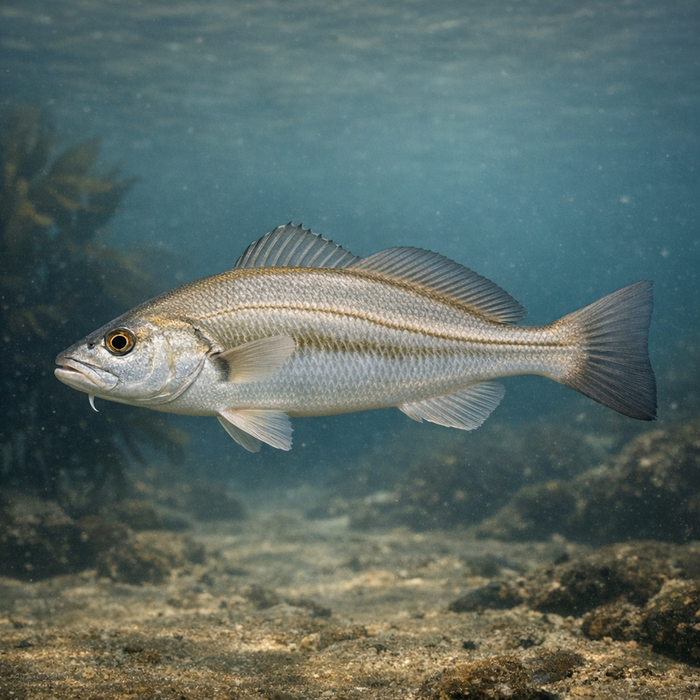
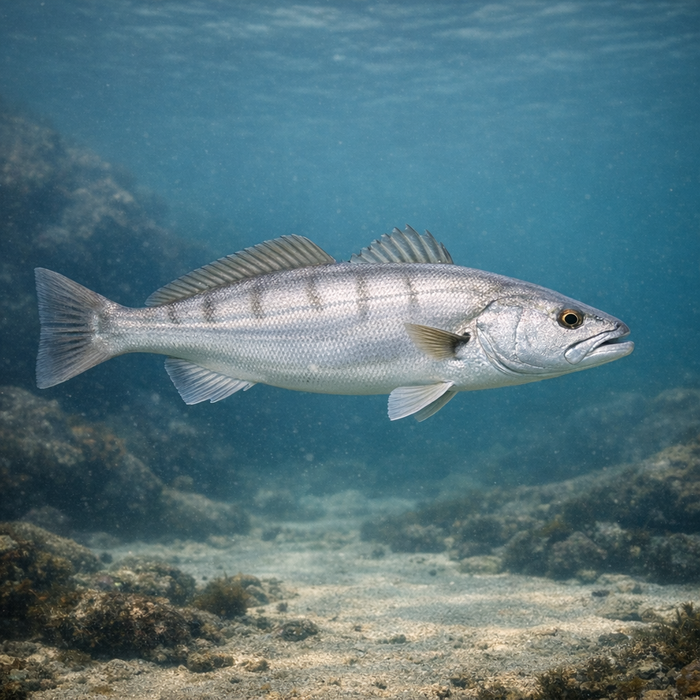
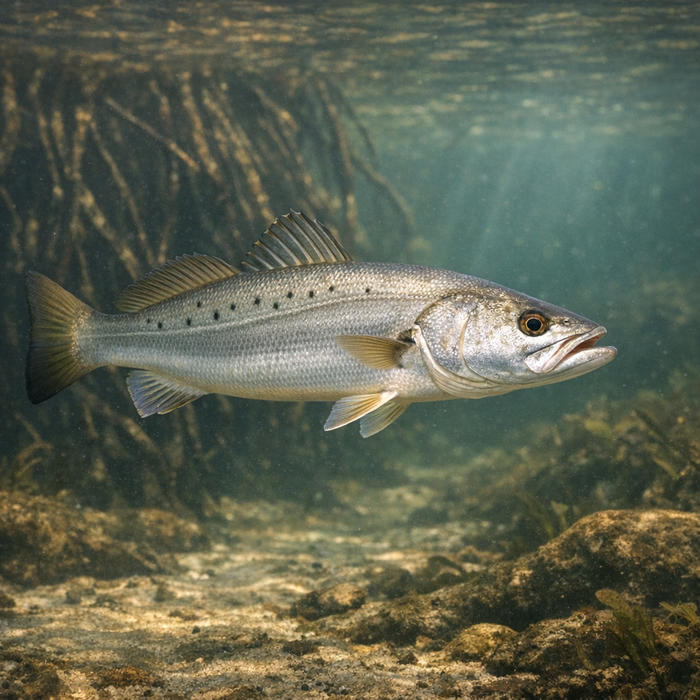
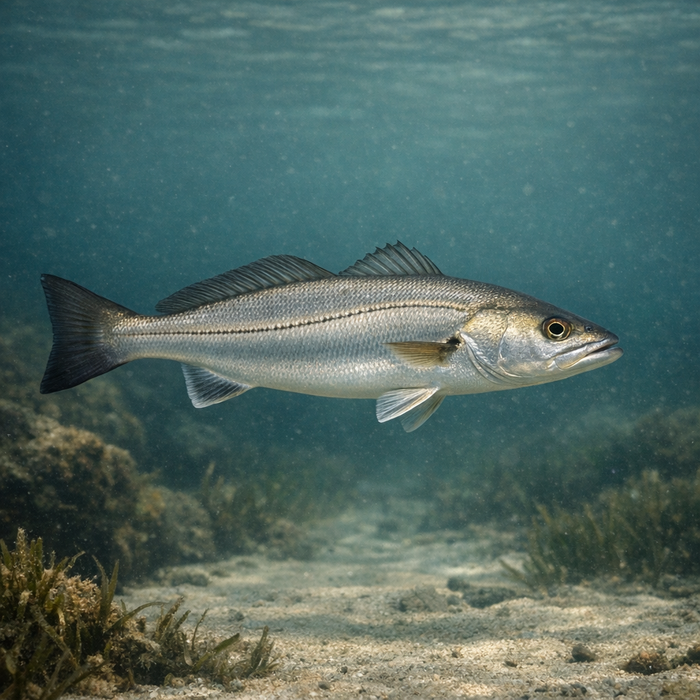
Orangemouth Weakfish (Cynoscion xanthulus): A Bold, Memorable Hook LineIntroductionThe orangemouth weakfish is the crooked-smiling predator with a paint-job surprise. Crack its jaw and you get neon orange staring back at you. In shallow, turbid water where most fish look like shadows, that flash of citrus is this species' calling card. If you fish sandy bays, delta mouths, and wind-chopped surflines in the northern Gulf of California, you know the drill: grunts on the deck, headshakes at the net, and a bright mouth you will not forget.What Makes the Orangemouth weakfish Unique?Start with the obvious: the orange mouth and gill cavity. It is not just a cute nickname; it is a diagnostic feature that makes quick IDs easier when the bite is on. Add the paired canine teeth, a hallmark of several Cynoscion species, and you have a baitfish hunter built to clamp slick sardines and anchovies with grip to spare. Finally, there is the soundtrack. Like many croakers, the orangemouth weakfish drums by rattling muscles against the swim bladder, especially during spawning. If you have ever heard the hull hum on a calm evening, that is not your imagination.Habitat & Global RangeThe orangemouth weakfish is an inshore specialist with a tight address book. It concentrates in the Gulf of California system, favoring turbid bays, delta channels, and sandy troughs along open beaches. Think current seams, soft-bottom contours, and color changes in the water where bait stacks. While it ranges across local habitats, it is not a globe-trotting pelagic. This is a fish you target by reading nearshore structure, tide, and turbidity. If you are researching Orangemouth weakfish habitat for a trip, look for moving water that delivers groceries and a bottom that will not shred your tackle.Behavior & TemperamentThis is a predator with bursts of aggression rather than endless sprint speed. Schools and loose packs push bait across flats and channel edges, then pin it to bottom contours. The bite often lights up at dawn, dusk, and on tide changes when the buffet slides past their noses. Hooked fish shake hard, lunge in short runs, and sometimes bulldog near bottom. They are not unstoppable freight trains, but they will humble sloppy knots and light leaders fast. When water is dirty, they feed confidently; when it is clear and calm, they can turn spooky.Ecological ImportanceIn the nearshore food web, the orangemouth weakfish helps keep baitfish like anchovies and sardines honest. By converting small forage into mid-level predator biomass, it bridges energy from plankton-fueled bait schools to bigger hunters. Juveniles use sheltered, low-salinity sloughs and shallow turbid margins as nurseries, where abundant micro-prey and cover increase survival. Their drumming behavior during spawn may help synchrony and mate choice, and the species supports coastal communities through local fisheries that value both the fish and the rhythms of the seasons.Conservation & Environmental PressuresA tight range means local problems hit harder. Habitat shifts in delta areas, seasonal fishing pressure, and variability in freshwater influence can all tweak recruitment. As with many inshore predators, reliable ice, gentle handling, and mindful harvest help maintain quality fisheries. Formal listings may vary, but anglers should think long game: protect nursery sloughs, respect closures, and keep an eye on changing regulations. Clean water and intact estuarine flow patterns favor strong year classes and stable bites.The FishyAF TakeThe orangemouth weakfish is classic inshore fun: accessible tactics, honest fights, and personality for days. You do not need a yacht or a wall of chrome; a solid medium spinning setup, smart drifts, and bait that smells alive will do the trick. The orange mouth feels like a party trick, but the real magic is how consistently this fish rewards anglers who read current, turbidity, and subtle bottom relief. If you want Orangemouth weakfish facts that matter, here you go: find moving water, keep presentations natural, and listen for the drum. The rest is gravy. Or, more accurately, scales and that unforgettable orange grin.