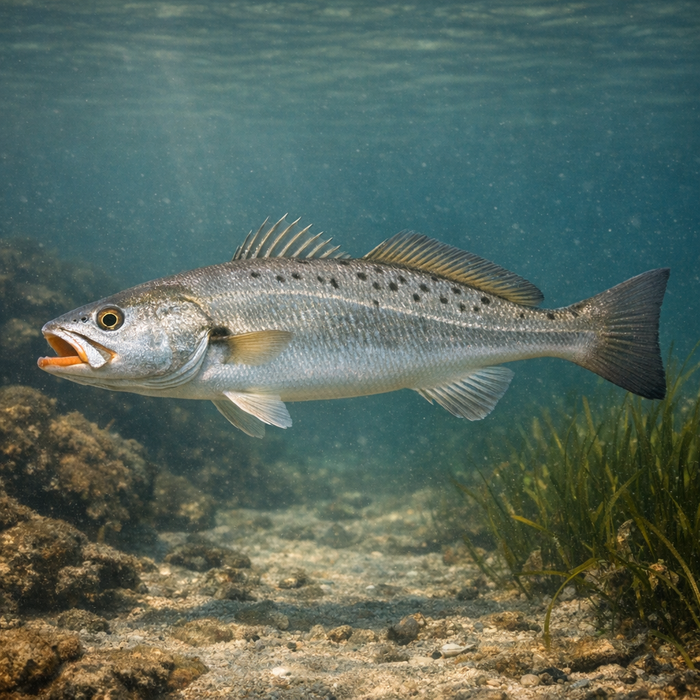
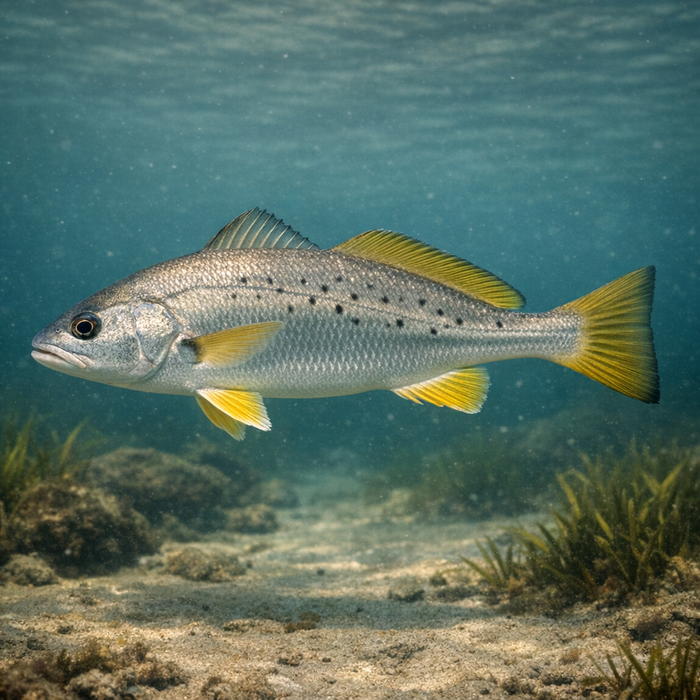
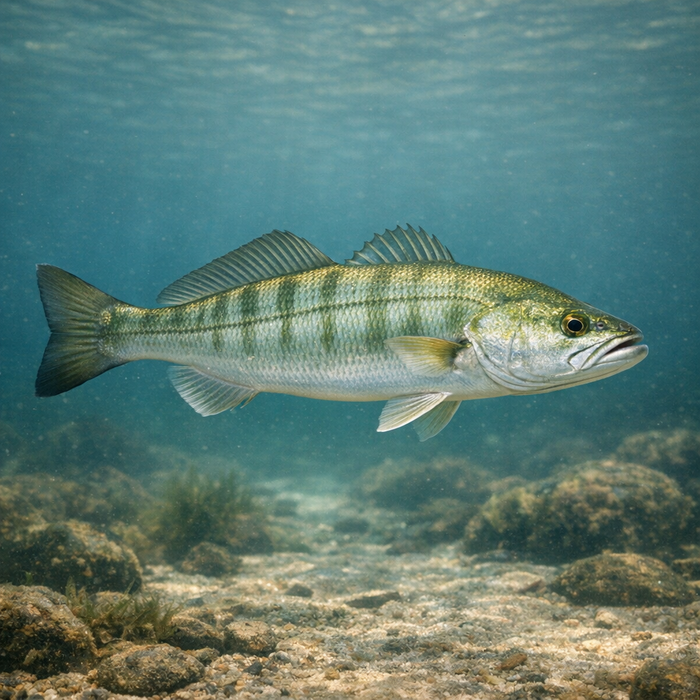
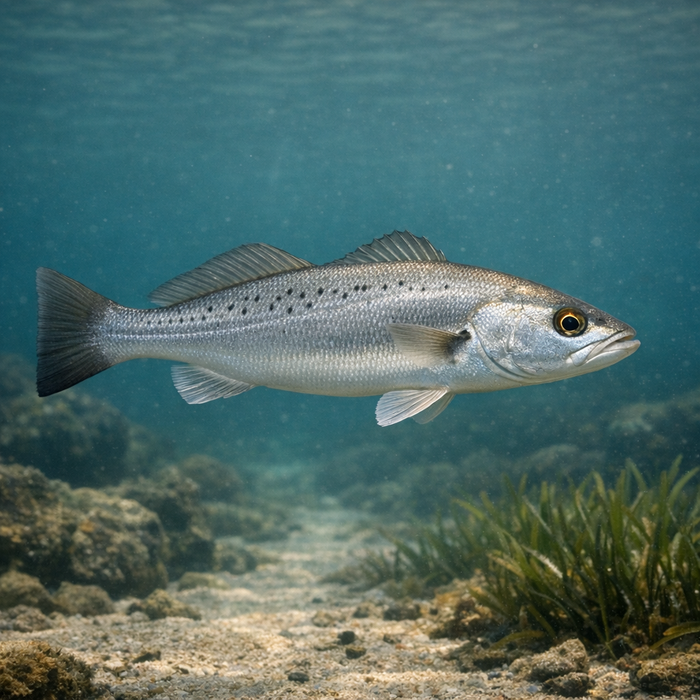
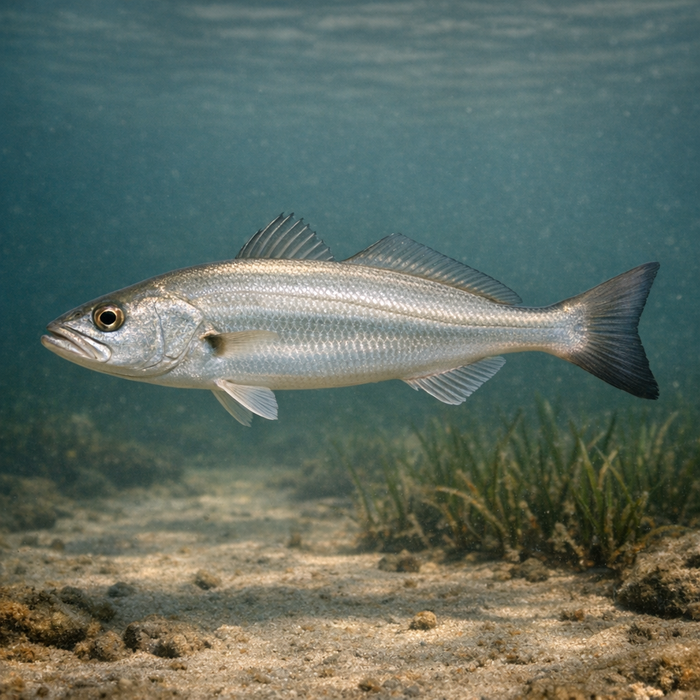
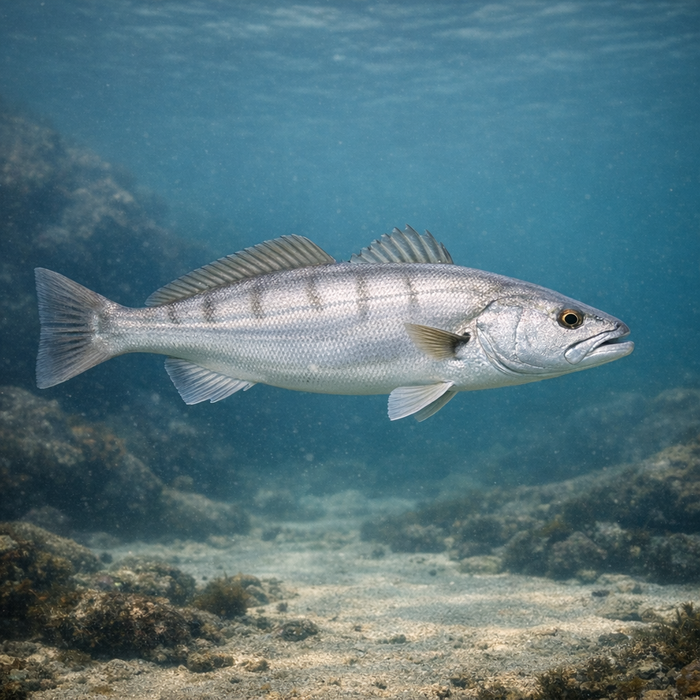
White Croaker (Genyonemus lineatus): The West Coast's no-drama, all-action bottom buzzerIntroductionIf you've soaked a strip of squid off a California pier, you already know the white croaker. They're the turbo-nibbles that turn quiet water into a jittery tap dance, then buzz and croak when you lift them. Small? Usually. Fun? Absolutely. The white croaker is a perfect entry fish that still keeps salty veterans entertained when conditions are tough. It also carries a complicated legacy along urban coasts, which makes it a surprisingly interesting little sciaenid once you look past the size.What Makes the White croaker Unique?Start with the voice. Like other croakers, this species literally talks, drumming its swim bladder with specialized muscles to create that trademark rattle in your hand. It's a sonic calling card you won't forget. Add in the long, sweeping pectoral fins and faint diagonal body lines that inspired its scientific name, Genyonemus lineatus, and you've got a fish that's more distinctive than first glance suggests. It's also incredibly approachable for new anglers, biting simple baits and forgiving basic presentations without demanding boutique gear.Habitat & Global RangeThe white croaker is a West Coast local, most common from Central California through Southern California and down the Baja coast. Think soft-bottom real estate: sandy bays, quiet harbor channels, surf edges, and open nearshore flats in 10 to 120 feet. They'll nose around jetties and piers when current sweeps food along, but they're not structure snobs. Seasonal movements are subtle rather than grand migrations, with fish sliding a bit deeper or shallower as conditions and forage shift. If you're searching "White croaker habitat," picture a sandy boulevard with occasional rubble and a gentle push of tide.Behavior & TemperamentCall them opportunists. White croaker school up, sometimes shockingly dense, and graze the bottom like a patrol of vacuum cleaners. The bite feels like rapid pecks rather than a smash, which is classic small-mouthed bottom work. They'll feed during daylight and low light, with a slight edge at dawn and dusk when the dinner bell rings louder. Hook one and it's a quick, wiggly tussle rather than a slugfest. This is grab-and-go fishing, not a drawn-out chess match.Ecological ImportanceWhite croaker connect the invertebrate world to just about everything else. They hoover worms, crustaceans, and tiny fishes, then become calories for larger predators and seabirds. That mid-level role is why you encounter them so reliably along productive coastlines. They're also messenger fish, reflecting the health of their neighborhood. In urbanized waters, they've historically accumulated contaminants like DDT and PCBs, which turned them into a public health case study and a reminder that what we dump onshore eventually meets gills and scales.Conservation & Environmental PressuresOfficially, white croaker sit in the least concern zone, and their knack for using basic sandy habitat makes them resilient. But "abundant" shouldn't equal "ignored." Local water quality matters. In parts of Southern California, persistent contamination led to long-running consumption advisories, and some fisheries managers encourage anglers to focus effort on cleaner stretches. Fishing pressure is constant on popular piers, though the species' prolific nature helps buffer that. Bottom line: healthy coastlines mean healthier croakers, and better days for everyone who likes feeling that steady tap-tap on the rod tip.The FishyAF TakeThe white croaker is the West Coast's blue-collar bite machine. It's not glamorous, it won't smoke your drag, and it definitely won't headline a tournament. But when the surf is fickle or the bay's gone quiet, this fish brings the party back. For new anglers, it's a fast, forgiving teacher. For veterans, it's a reliable Plan B that often rescues slow sessions. Learn the rhythm, keep it simple, and enjoy the chatter. For pure fish-per-hour happiness, the white croaker punches far above its weight. Consider this your quick course in White croaker facts: approachable, talkative, and way more interesting than its size suggests.