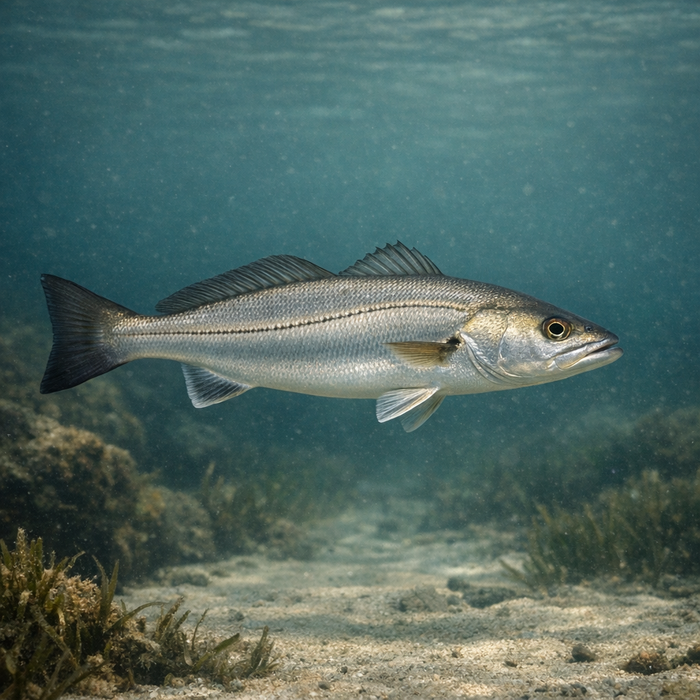
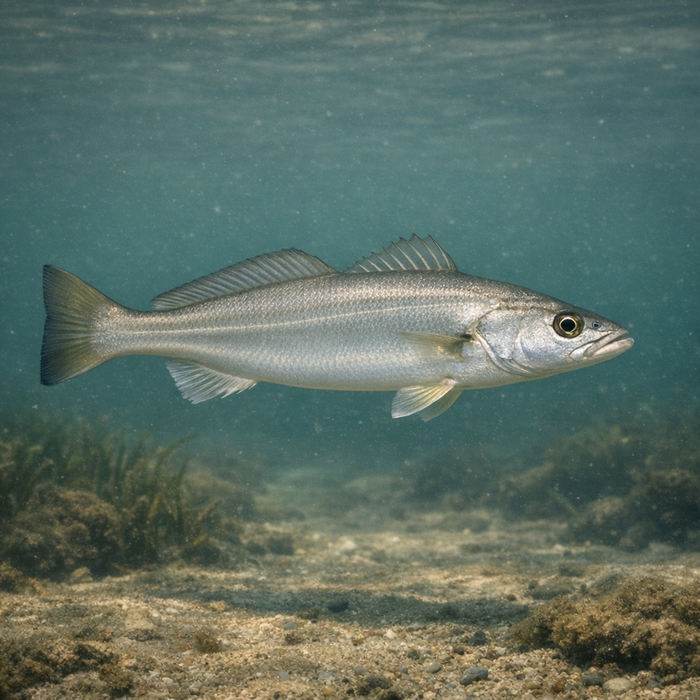
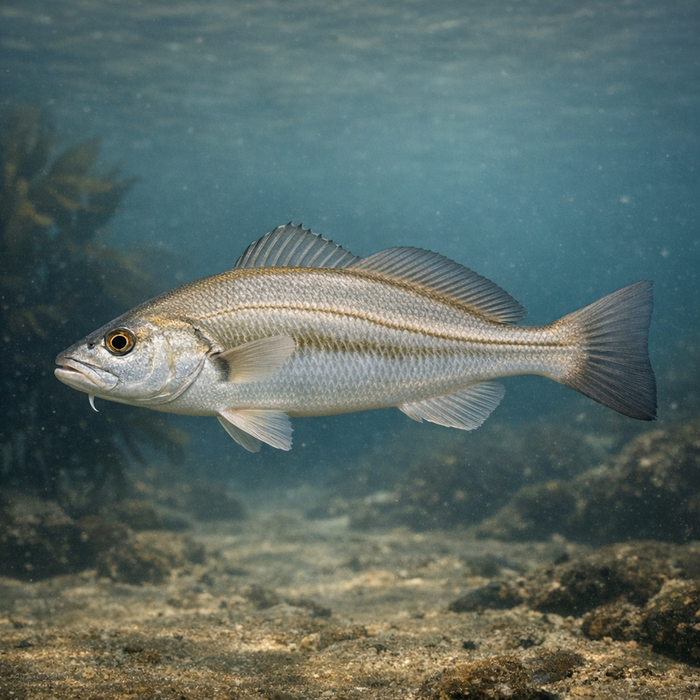
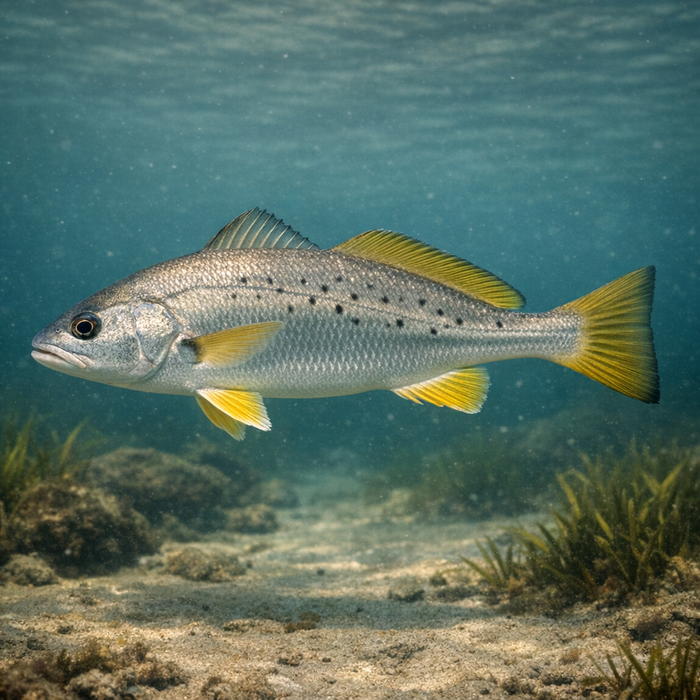
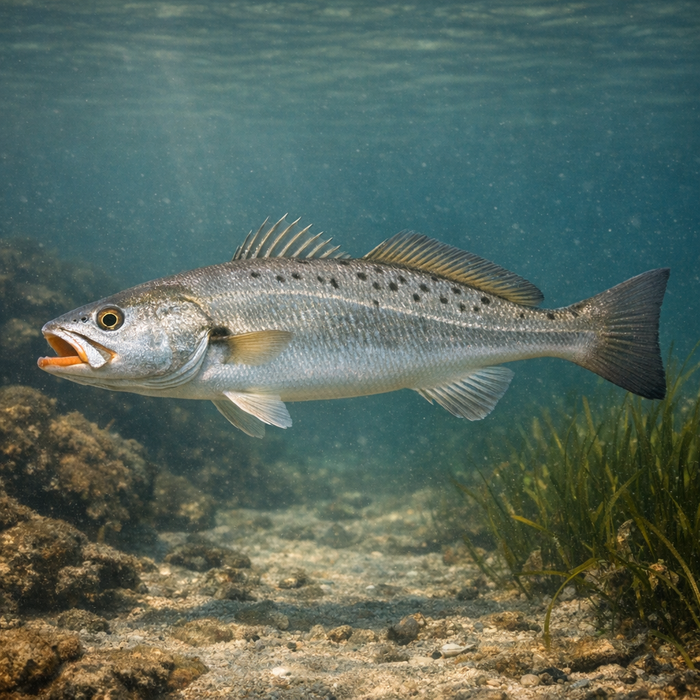
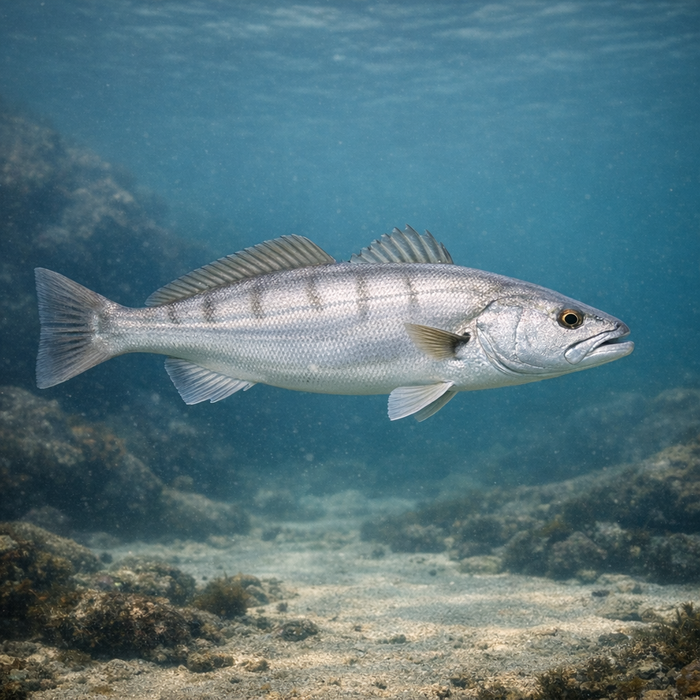
Silver Seatrout (Cynoscion nothus): Fast-biting, chrome-bright, and criminally underrated.IntroductionMeet the silver seatrout, the little drum with a big attitude. This fish is pure Gulf Coast hustle: quick to school, quicker to bite, and perfectly built for that rapid-fire, jig-drop, fish-on kind of day. If you have ever heard mysterious drumming echo through a bay on a summer night, you have brushed against their world. For anglers who want action over ego, the silver seatrout delivers in spades. Consider this your launchpad for real-deal Silver seatrout facts and a clear look at authentic Silver seatrout habitat.What Makes the Silver seatrout Unique?First, size. Among the seatrout clan, the silver is the pocket rocket, usually measured in inches and ounces instead of bragboard monsters. Second, it is spotless. Unlike the speckled seatrout, silver seatrout wear a clean chrome suit, no dark freckles, no drama. Third, the mouth. This species carries the family's famously delicate mouth tissue, which is a mechanical oddity that helps it sip fragile prey and, yes, tears easily under too much pressure. Add in the drumming. Like many drums and croakers, males vibrate sonic muscles against the swim bladder, turning shallow water into a pulsing soundtrack during spawning.Habitat & Global RangeSilver seatrout roam the Southeast Atlantic and the entire Gulf Coast, thriving in salty, moving water. Think sandy channels, tidal passes, nearshore troughs outside barrier islands, and deeper cuts in bays. They are the definition of inshore gamefish: mobile, opportunistic, and tuned to tides. In warm months they push shallow with bait. In cold snaps they slip deeper toward stable temperatures. They are comfortable in 10 to 40 feet, often hovering midwater over sand where current concentrates shrimp and tiny fish.Behavior & TemperamentSilver seatrout form big, fast-moving schools that turn sonar into static. They are aggressive feeders with a short fuse, striking small offerings and then bouncing to the next seam of current. Expect bursts of activity synced to tide changes and low light. The fight is zippy rather than brutal, but the pace can become addictive when a school parks under the boat or stacks behind a jetty. Their spotless flanks and forked tail telegraph speed, and their delicate mouth explains why a smooth drag matters to keep hooks pinned.Ecological ImportanceThis species is a key conduit between tidal shrimp, small forage, and bigger coastal predators. Juvenile silver seatrout vacuum up crustaceans; adults lean on shrimp and small fish, passing that energy upstream to mackerel, jacks, sharks, and dolphins. Their repeated spawning through warm seasons boosts resilience and provides a steady pulse of forage-sized fish that feed nearly everything larger with a set of teeth.Conservation & Environmental PressuresSilver seatrout are widespread and prolific, but that does not make them bulletproof. Estuary health runs the show. Dredging that flattens channels, nutrient spikes that fuel algae blooms, and heat waves that shuffle bait all hit this species where it lives. Because they school so tightly, localized overharvest is possible even if regional stocks look fine. Add identification confusion with sand seatrout and it gets tricky to track exact trends. Most agencies treat them as low concern today, but they depend on clean, moving water like every inshore predator.The FishyAF TakeSilver seatrout are the blue-collar MVPs of the Gulf and lower Atlantic. They are not a social-media trophy, but they are the fish that saves slow tides, lights up kids' first trips, and teaches clean presentation on light gear. Want to understand current seams and bait pacing without risking heartbreak? Chase silver seatrout. They will grade your retrieve in real time. And if you are collecting Silver seatrout facts for your next road run, here is the headline: this species is proof that nonstop action can be just as memorable as a single hero fish. Learn the rhythm of Silver seatrout habitat, ride the tide, and enjoy the chrome parade.