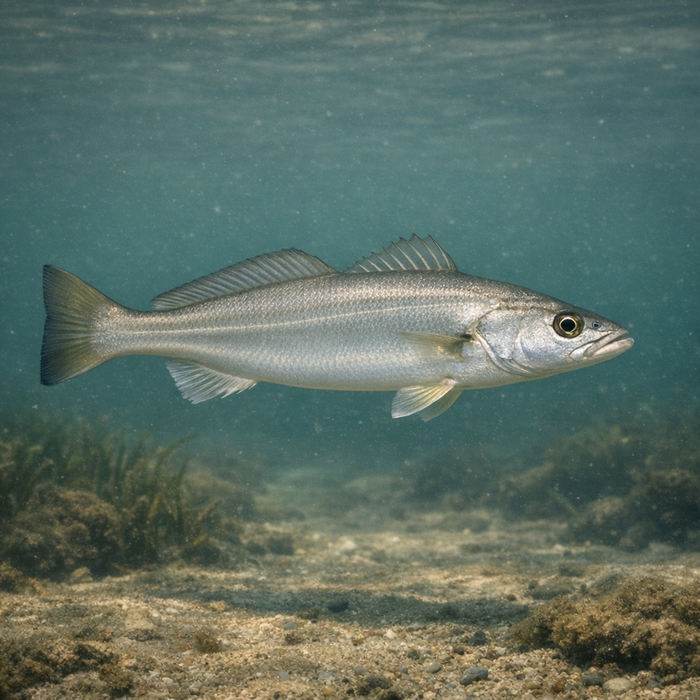
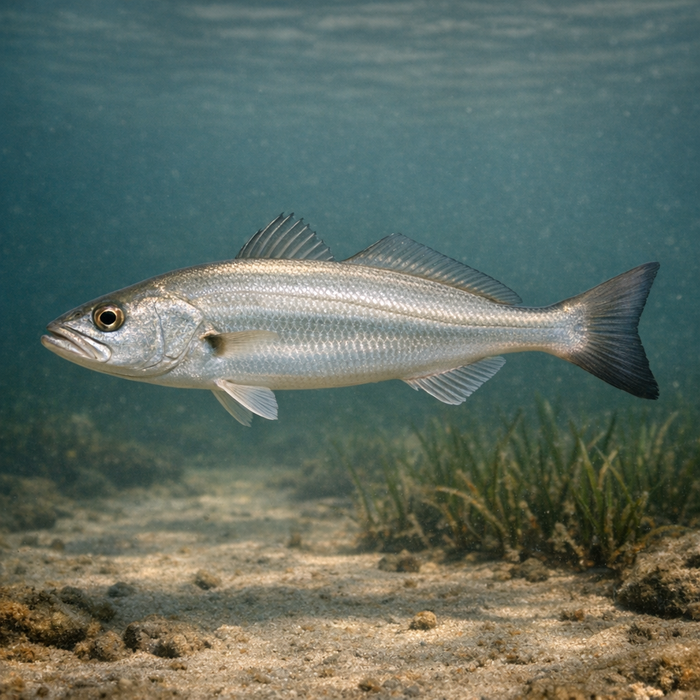
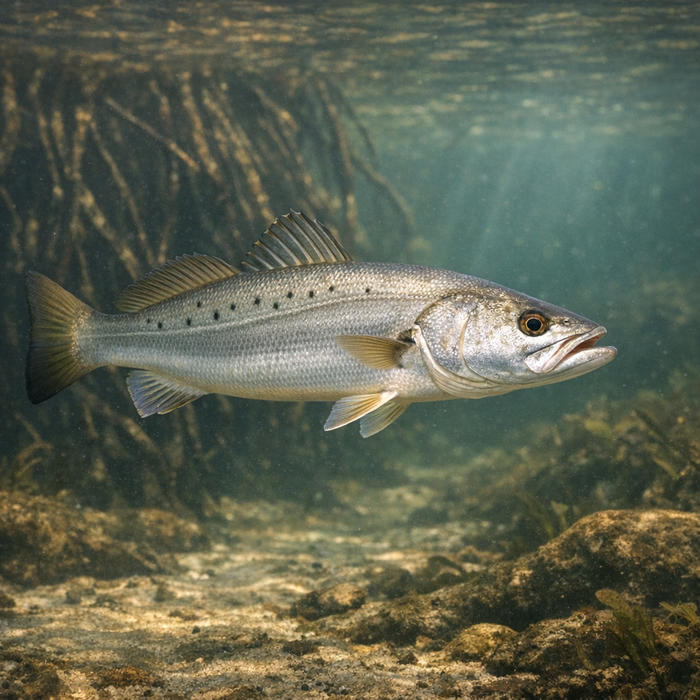
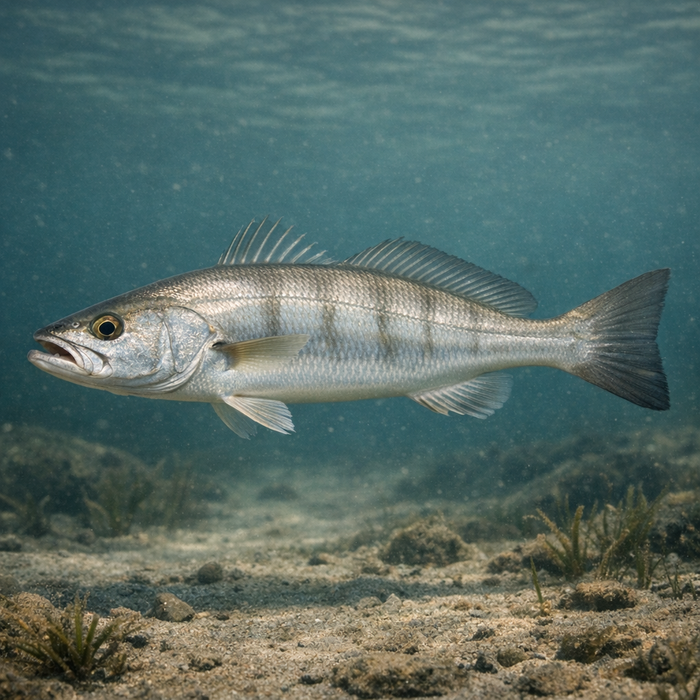
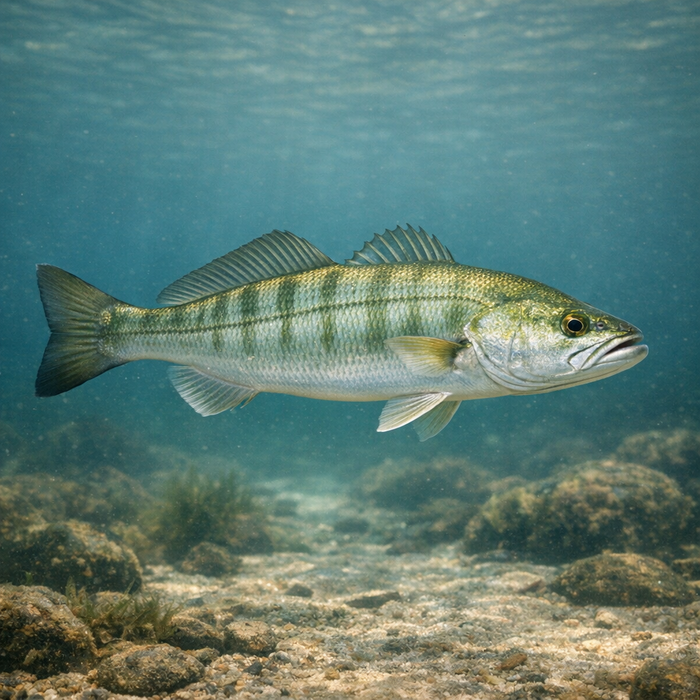
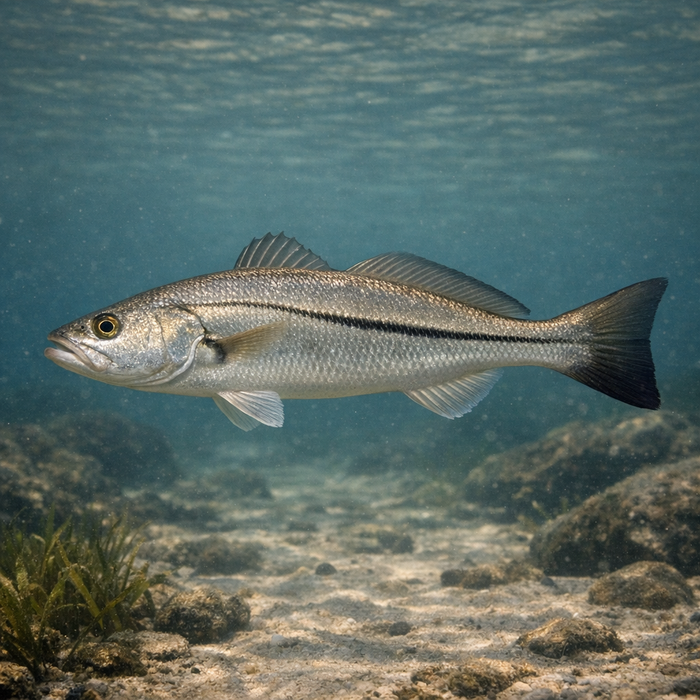
Boccone Weakfish (Cynoscion praedatorius): A Bold, Memorable Hook LineIntroductionIf you like inshore fish with manners until the hookset and chaos after, the Boccone weakfish is your kind of trouble. It ghosts along tide lines, whispers on the take, then punishes sloppy drag with a quick goodbye. For anglers who obsess over edges, current seams, and quiet presentations, this fish is a masterclass in subtlety. These are the Boccone weakfish facts that matter: stealth, timing, and just the right touch.What Makes the Boccone weakfish Unique?The calling card is that infamous soft mouth. Horse a Boccone weakfish and the hook tears free like paper. It teaches restraint better than any mentor. Add in the drum-family soundtrack; males vibrate their swim bladders to call and posture, turning spring nights into a muffled engine room. Finally, this fish adores transitional water. Where clear meets stained, fast meets slow, or shell meets sand is where it bets on baitfish making one bad move.Habitat & Global RangeBoccone weakfish habitat lives where salt and river water negotiate terms. That means estuaries, inlets, tidal creeks, bay channels, and the first surf trough out front. Shell bottom, scattered rock, or subtle depressions on open sand all qualify, especially when a tide pours over bait. They roam up and down the Atlantic and Gulf coasts in the same rhythm as many inshore migrants, pushing shallow in spring, spreading across bays through summer, then slipping toward deeper channels when the first real cold snaps. Think four to twenty-something feet, with the better bites often happening on edges rather than the dead center.Behavior & TemperamentThis species rarely bullies anything. It's an opportunist with finesse, preferring to intercept rather than chase. Schools move like smoke, appearing on a rip line and vanishing when the angle dies. Dawn and dusk get them confident near the surface, but most of the hunt happens midwater with quick slashes and immediate resets. The Boccone weakfish punishes noisy metal and sloppy knots. It rewards soft-plastic glide baits and bucktails tipped with something smelly, worked slow enough to look injured but not lazy.Ecological ImportanceAs a mid-tier predator, the Boccone weakfish stitches together the estuary food web. It trims anchovies, silversides, shrimp, and juvenile baitfish, then feeds bigger predators in turn. Those nightly drumming performances are more than romance; they cue seasonal movements, put energy into the system, and sync countless estuary creatures to a reliable beat. When water quality dips or bait migrations shift, this fish reacts quickly, serving as an early indicator that something upstream or offshore is off.Conservation & Environmental PressuresEstuaries are punching bags. Nutrient runoff, habitat loss, and erratic freshwater pulse events stack the deck against anything that relies on stable salinity corridors. The Boccone weakfish can handle a lot, but it cannot outswim chronic hypoxia or silted nursery grass. Fishing pressure adds another layer. They are a bycatch magnet during mixed inshore bites, and that soft mouth turns mishandled releases into dead drifters. Sensible limits, barbless hooks for catch-and-release, and quick dehooking over the net pay real dividends.The FishyAF TakeThe Boccone weakfish forces you to be better. If you rip jigs like you're mad at the water, it will school you. If you align tide, current, and approach with a bucktail and a little scent, it will make you feel like a genius. It is not the loudest inshore celebrity, but there's a reason diehards whisper about moon phases, swing speed, and jig weight like trade secrets. You do not overpower this fish. You outthink it at the seam, slip the hook home gently, and enjoy a fight that favors patience over biceps. Learn that, and the Boccone weakfish turns a quiet tide line into a highlight reel.