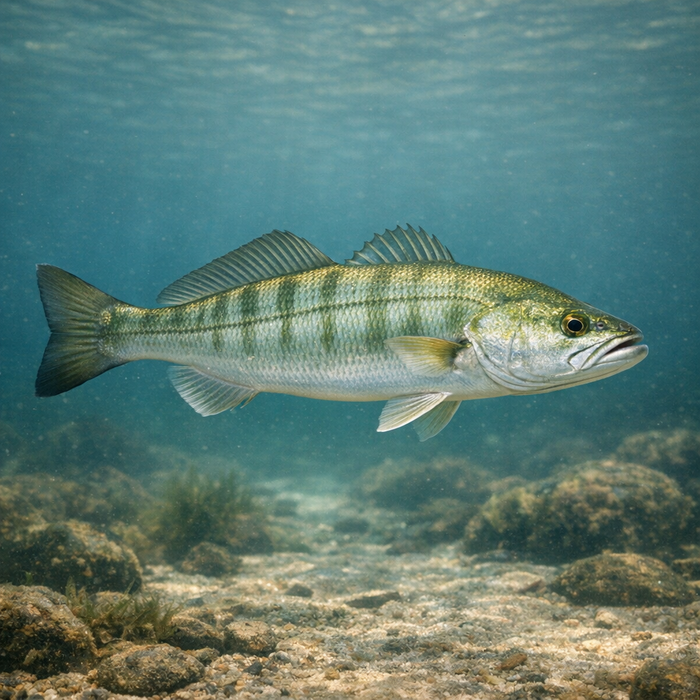
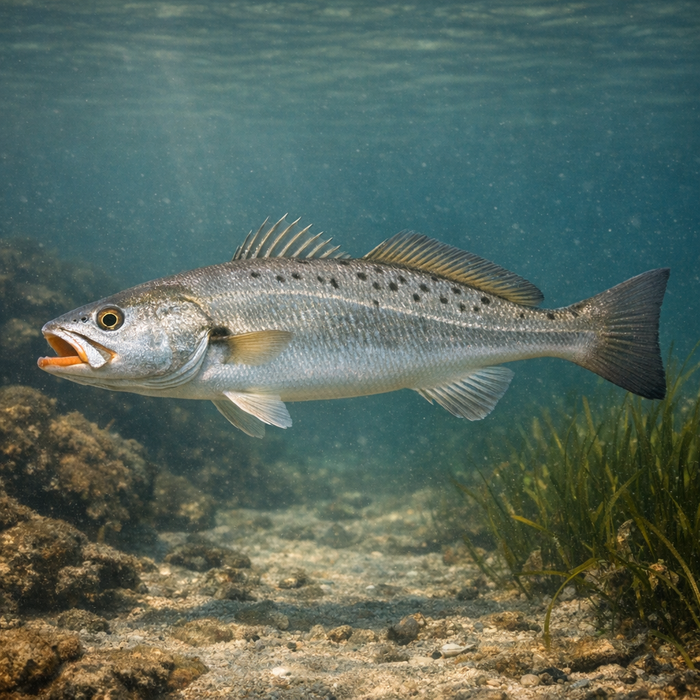
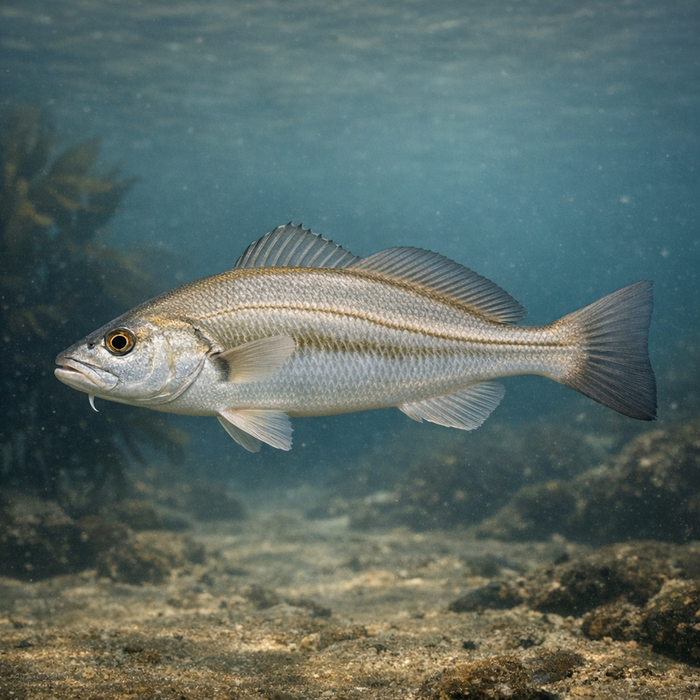
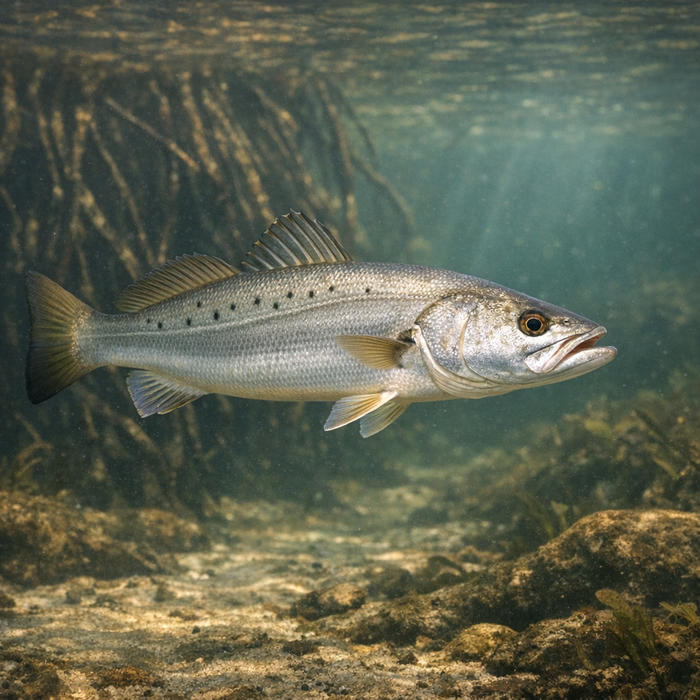
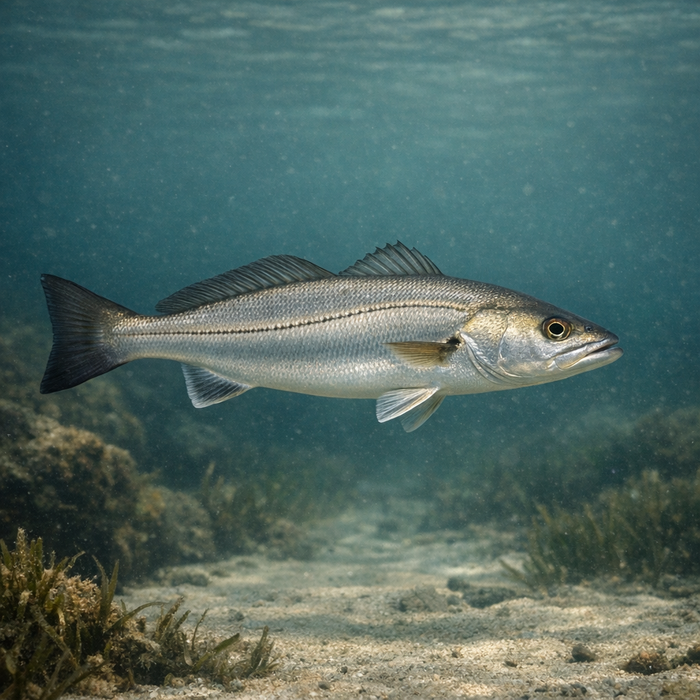
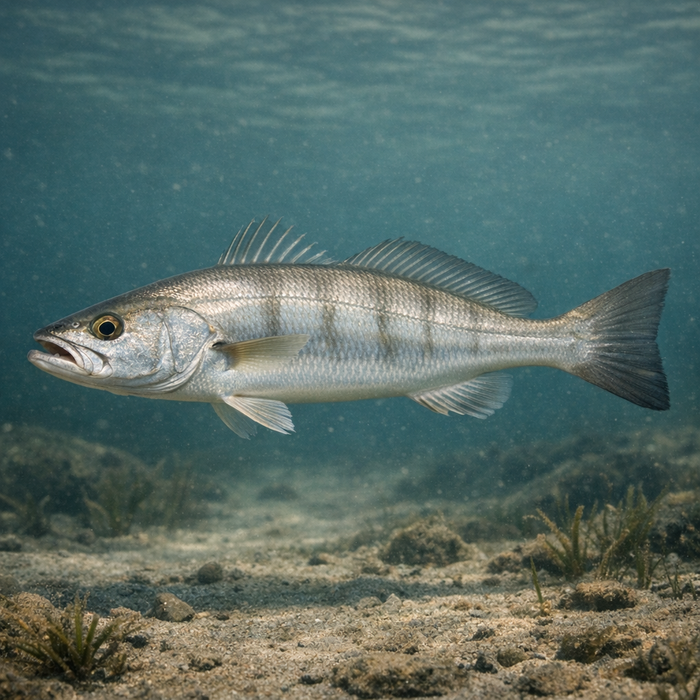
Shortfin weakfish (Cynoscion parvipinnis): A Bold, Memorable Hook LineIntroductionThe shortfin weakfish is a surf rat's delight: slick, silver, and built for ambushing bait in skinny water. It's the corvina you spot ghosting a bar in knee-deep chop, vanishing just as your lure hits the sand. Forget the name "weakfish" for a second. This one carries canine teeth, rumbles like a snare drum during spawn season, and punches above its weight on light tackle. If you want fast action and clean hits in the wash, this species delivers.What Makes the Shortfin weakfish Unique?Start with anatomy. The shortfin weakfish sports, well, a short second dorsal. That abbreviated fin is more than a naming gimmick; it's a quick visual cue that sets it apart from many Cynoscion cousins. Then there's the bite. Unlike most croakers, this fish wields real canines, so it grips baits and thrashes with authority. Last, the sound. Like other drummers in the family Sciaenidae, males vibrate sonic muscles against the swim bladder, creating a pulsing call that packs estuaries at night. These aren't whispers. They're full-on chorus lines.Habitat & Global RangeShortfin weakfish habitat is the realm of moving water: surf zones, sandy points, tidal channels, and muddy estuaries connected to river mouths. They prefer the nearshore eastern Pacific, from the U.S. West Coast into Central and South America, with strong showings along Mexico's Pacific beaches and lagoons, plus Costa Rica to Ecuador. Expect them tight to the beach when bait stacks in troughs and along seams where tides rip past structure like jetties and mangrove edges. Depth-wise, they're most comfortable in the top 5 to 30 feet, sliding in and out with tidal cycles and light levels.Behavior & TemperamentShortfin weakfish feed like opportunists, roaming in loose schools and tightening up when baitfish push shallow. They aren't topwater showboats, but they'll smash a well-placed swimbait or drifted shrimp in the whitewater. The fight is classic corvina: quick runs, head shakes, and a dash for current or surf breaks. Their mouths are softer than snappers, which explains the wider "weakfish" naming across the tribe. Translation for anglers: set the hook with a sweep, not a haymaker, and keep the drag honest. For those sniffing out Shortfin weakfish facts, know this species opens a wide but distinct feeding window around tide changes and low light.Ecological ImportanceAs mid-level predators, shortfin weakfish recycle energy from shrimp and small baitfish up the coastal food chain. Their drumming behavior creates seasonal aggregations that feed everything from seabirds to bigger coastal predators. Juveniles often recruit into estuaries, grabbing shelter in shallow marsh edges before graduating to the surf. That nursery linkage makes them a handy health indicator for lagoons and river mouths. When estuaries thrive, corvina thrive.Conservation & Environmental PressuresThis species interacts heavily with nearshore fisheries and local markets under the umbrella name "curvina." That catch-all label can blur catch data and complicate management. Estuary degradation, sediment pulses after storms, and warming events can also shift distribution and timing, squeezing predictable bites into narrower windows. While formal global status listings aren't definitive, regional management and seasonal closures for similar species hint at a need for watchfulness. Protecting estuaries and spawning corridors isn't feel-good talk here. It's directly tied to better fishing tomorrow.The FishyAF TakeThe shortfin weakfish is built for anglers who like movement, reads, and timing. You hunt the beach, watch the bars, feel the push of the tide, and get rewarded when the whitewater turns into a dinner bell. It's not a unicorn fish, and that's exactly the point. Bring sharp reading of water, a light hand on the drag, and a couple of confidence baits. If you're chasing Shortfin weakfish habitat in Mexico or Central America, target moving water and trust your eyes. This fish makes mediocre anglers better and good anglers fast. That's a rare trick in the surf game.