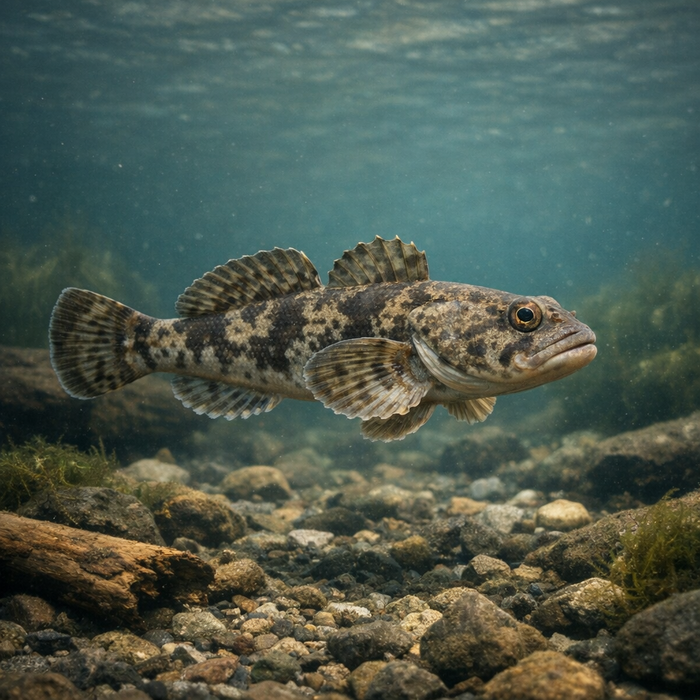
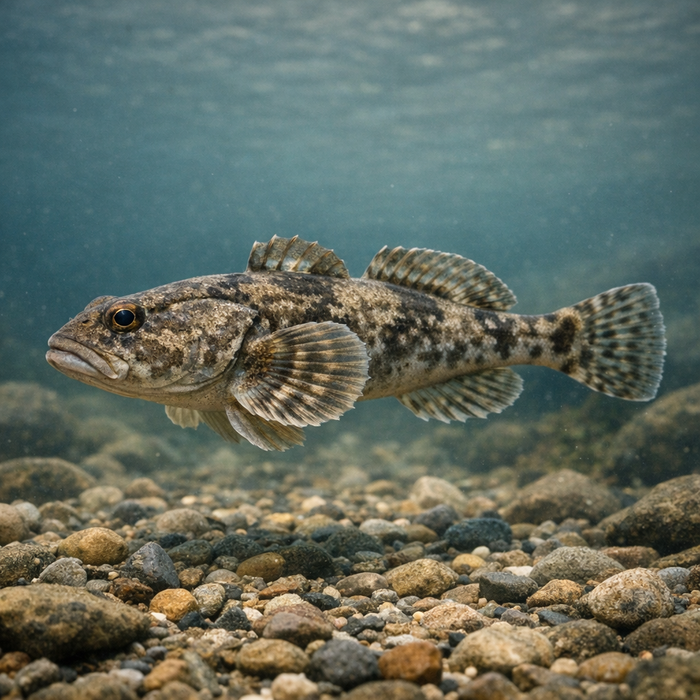
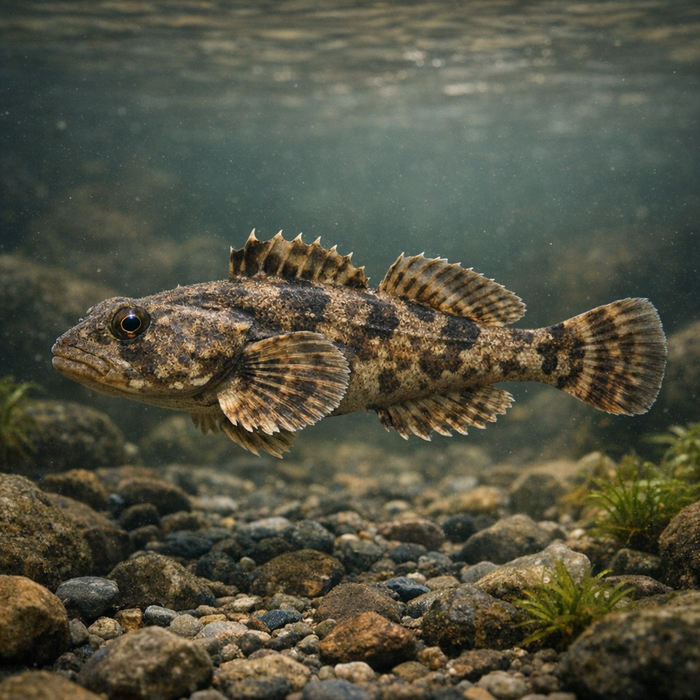
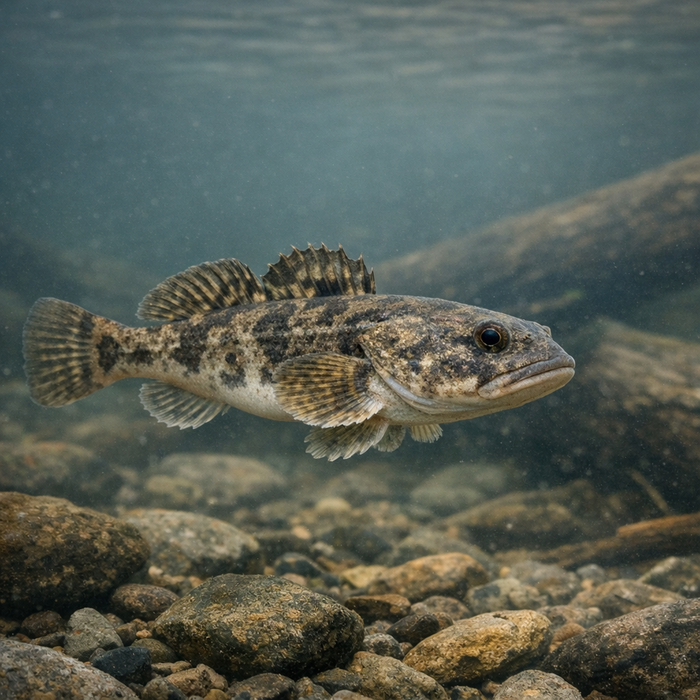
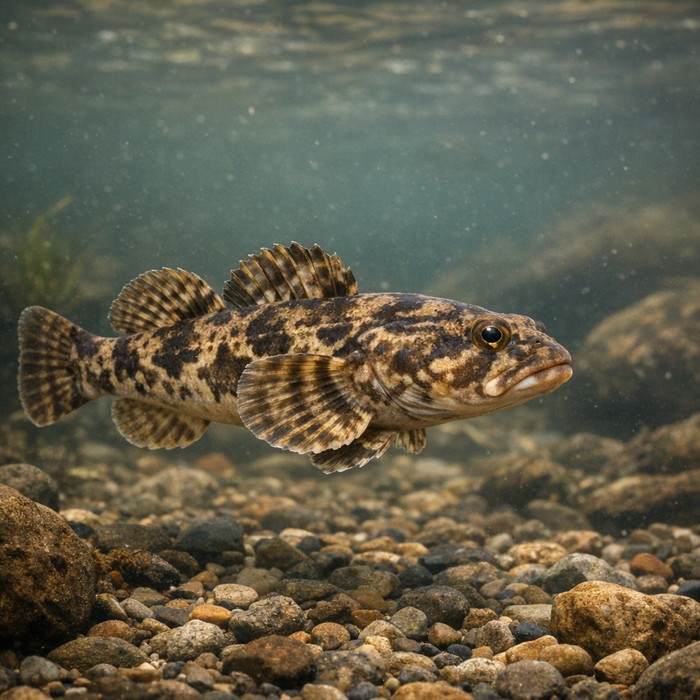
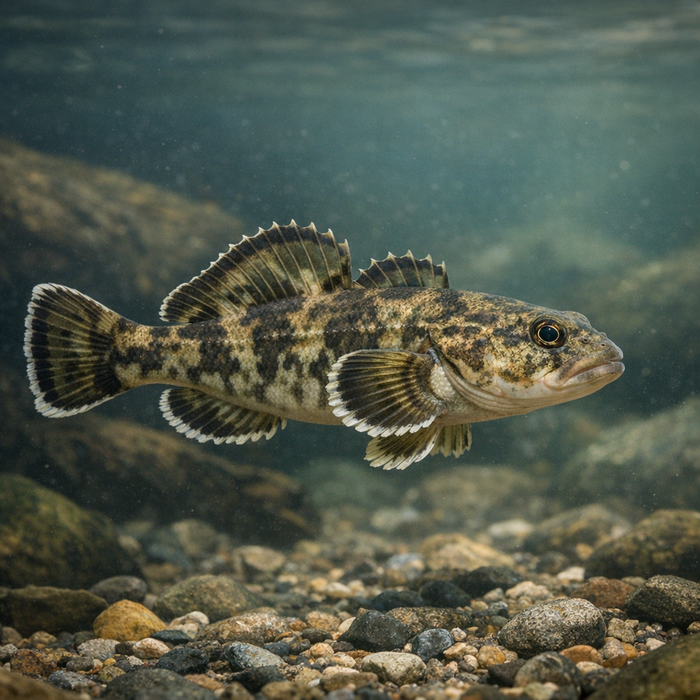
Utah Lake sculpin (Cottus echinatus): The tiny ghost of Utah Lake with a giant backstory.IntroductionThis one's a legend you won't put in a net. The Utah Lake sculpin is the pocket-sized native that slipped through time, vanished from anglers' reach, and now survives mostly as jarred specimens and whispered field notes. If you crave Utah Lake sculpin facts, you're chasing a fish that left clues, not photo ops. Still, its story punches hard: a specialized bottom-dweller, a changing lake, and a cautionary tale about how fast shallow-water ecosystems can go sideways.What Makes the Utah Lake sculpin Unique?Start with the build: a bulldog head, big pectorals, and no swim bladder. That means it planted itself on the substrate like a rock with attitude, using those fins as brakes and rudders. Its scientific name, Cottus echinatus, hints at tiny prickles along the body, a detail that separates it from lookalike sculpins. Also unique: its extreme smallness. Adults tapped out around a few inches, making it classic microfish territory, the kind of species most anglers discover by accident while flipping rocks. The real twist is the status. The Utah Lake sculpin is widely considered extinct, a native erased before most anglers even knew it existed.Habitat & Global RangeThe range wasn't global at all. The Utah Lake sculpin was an endemic specialist tied to Utah Lake and lower tributaries. Picture shallow, rocky or cobble-studded margins with current washing fresh oxygen across the stones. Those are the classic sculpin micro-neighborhoods. But as Utah Lake shifted from clearer, vegetated shallows to a more turbid, carp-churned basin, the delicate nearshore fabric frayed. If you're searching "Utah Lake sculpin habitat," that's the frame: shallow benthic edges, spring-fed inflows, and stone cover. Take away the cover, bury it in silt, and you rob a bottom-hugger of its lungs and larder.Behavior & TemperamentSculpins are not sprinters; they're ambush squatters. The Utah Lake sculpin would have lived low and slow, scooting in short bursts, pinning itself to rocks, and sniping prey like amphipods or tiny fish. Eyes set high help in murk. With no swim bladder, it didn't hover or cruise midwater. It crouched and pounced. It wasn't a fighter's fighter either; even for micro-anglers, a sculpin's drama is the find, not the tug.Ecological ImportanceMicro predators play macro roles. The Utah Lake sculpin sat in the middle of the benthic food web, translating invertebrates into fish calories and feeding larger natives in turn. Lose that hinge and energy pathways warp. This fish was part of the reason shallow rocks pulsed with life. Remove it and you don't just lose a species; you scramble a whole lineup of interactions, from algae-grazers to piscivores.Conservation & Environmental PressuresThe smart money points at habitat change and invasive species. Carp uproot plants, stir fine sediments, and punish water clarity. Silt buries eggs. Shoreline development and altered flows flatten the micro-topography that sculpins need. The Utah Lake sculpin didn't disappear overnight, but once the littoral zone slipped, a tiny bottom specialist had nowhere to go. Call it death by a thousand cloudy cuts, documented now through museum jars and scattered field notes.The FishyAF TakeThe Utah Lake sculpin is a micromyth, the fish you respect because you can't catch it. It's the red flag on shallow habitat: if the rock pockets and springy margins go, the specialists go first. If you want to honor it, dial in your micro-ID, release native sculpins elsewhere carefully, and get loud about clean, structured shorelines. The Utah Lake sculpin didn't fade because it was weak. It faded because we bulldozed the stage it needed. Remember the name, Cottus echinatus, and keep those stones clean for the next underdog waiting in the riffles.